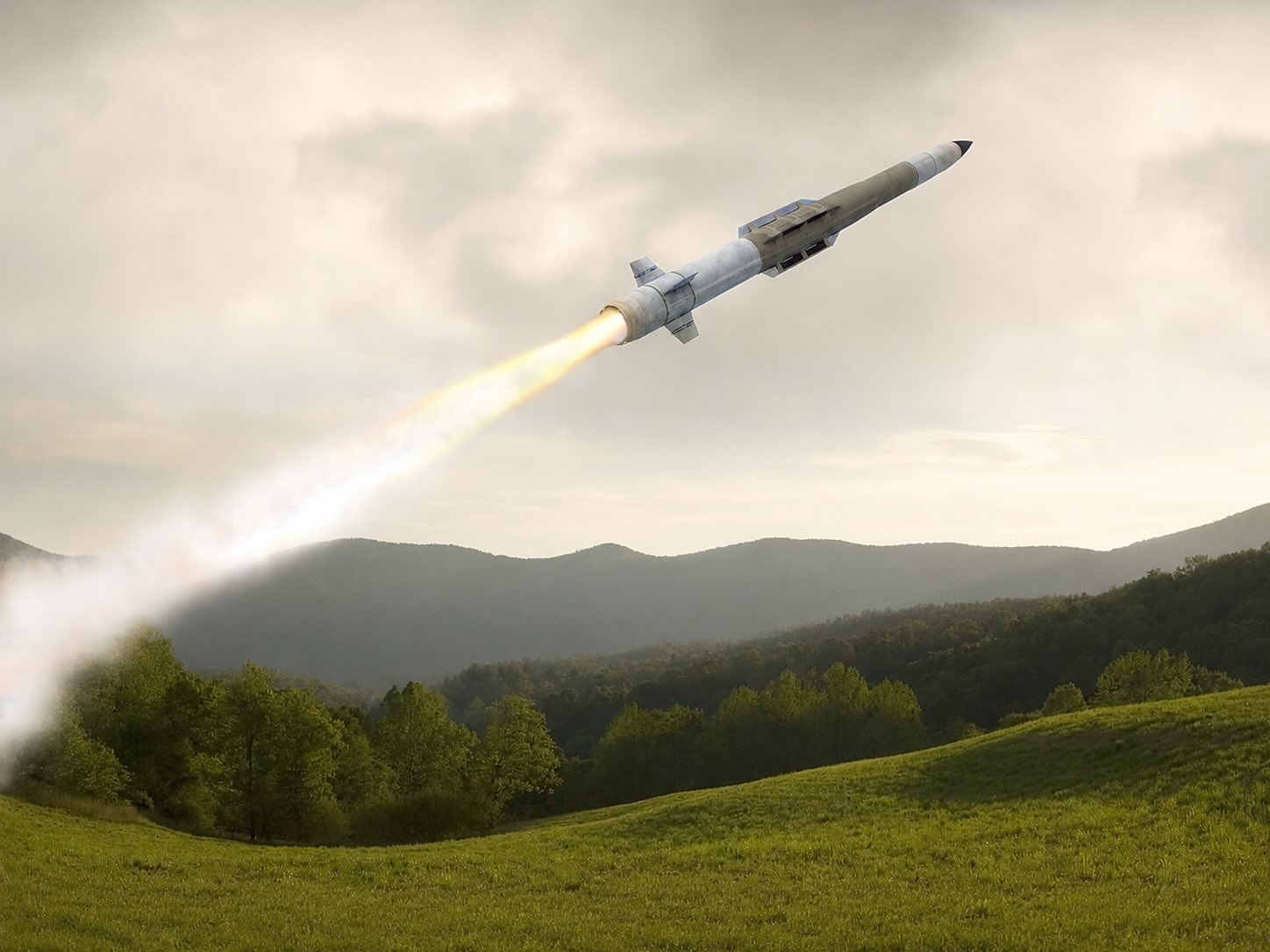
The United States, Germany, the Netherlands, Poland and Sweden have agreed to explore a dedicated European maintenance facility for Lockheed Martin’s PAC-3 missiles, moving an essential part of Patriot sustainment closer to the forces that operate the system.
The agreement was signed during the NATO Summit Defence Industry Forum in Ankara. Its location has not yet been selected. US Undersecretary of Defense Michael Duffey also said Washington was open to production outside the United States, although no overseas PAC-3 manufacturing decision has been announced.
Lockheed Martin said the proposed hub would provide in-region maintenance and sustainment. That is operationally important: an interceptor undergoing inspection or repair is unavailable regardless of how many launchers an ally owns.
Patriot is one of the few systems with a demonstrated ability to engage advanced ballistic missiles. Ukraine’s defence of Kyiv has shown both its value and the pressure created by sustained Russian attacks combining ballistic missiles, cruise missiles, drones and decoys.
Defence Matters has reported that the ballistic threat keeps Ukraine’s interceptor shortage at the centre of NATO pressure. The problem is not simply the number of batteries. Radars, launchers, trained crews, software, spare parts and a continuous supply of interceptors determine whether each battery remains effective.
Europe-based maintenance can reduce the time missiles spend travelling to and from US facilities. It can create a regional pool of specialist technicians and improve the availability of allied stocks. In a prolonged war, those gains matter almost as much as new production.
The facility should not be presented as European missile autonomy. Maintenance restores and certifies existing interceptors; it does not necessarily produce motors, seekers, guidance sections or complete new missiles.
PAC-3 production is expanding under large US contracts, but demand comes from the US military, Ukraine and a growing list of allies. Even with higher output, customers compete for finite deliveries. Washington retains considerable influence through export approval, contracting and allocation.
Overseas production would be a more consequential step. It could diversify capacity and shorten supply chains, but the industrial arrangement would determine how much autonomy Europe actually gains. Final assembly from imported critical components would improve throughput without eliminating dependency.
The PAC-3 project sits beside talks on European co-production of AIM-120 AMRAAM missiles and existing efforts to expand Patriot missile output. Together, they indicate that NATO is beginning to treat missile sustainment as an enduring industrial requirement rather than a temporary response to Ukraine.
Europe also needs complementary systems. Patriot interceptors are too scarce and expensive to use against every drone or cruise missile. A layered architecture combines guns, electronic warfare, low-cost interceptors, shorter-range missiles and high-end systems reserved for the hardest targets.
That architecture requires common command networks and a deliberate allocation policy. During simultaneous crises, governments need agreed priorities for national defence, deployed NATO forces and support to Ukraine.
The maintenance hub can increase readiness relatively quickly because it builds around a system already in European service. It may also provide the workforce and infrastructure needed for future production cooperation.
The political challenge is to avoid mistaking a service facility for a complete solution. Europe remains short of ballistic interceptors, and Ukraine’s needs are immediate. A hub that opens after long negotiation but lacks sufficient missiles to maintain would improve process without closing the capability gap.
Success should therefore be measured through repair turnaround, stock availability, trained personnel and the volume of interceptors delivered. Governments should also clarify whether European firms will gain meaningful production work and technical access.
The Ankara agreement acknowledges an uncomfortable reality: air defence is a long industrial war of production, maintenance and adaptation. Europe has begun bringing sustainment closer to the threat. It must now decide how much of the missile itself it is prepared and permitted to build.