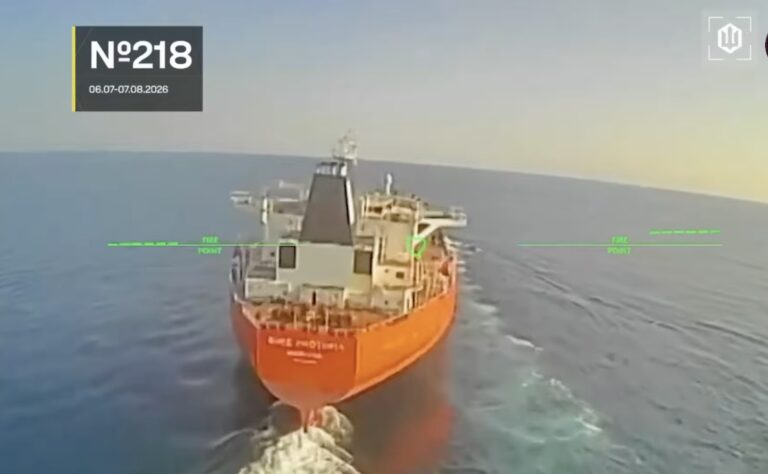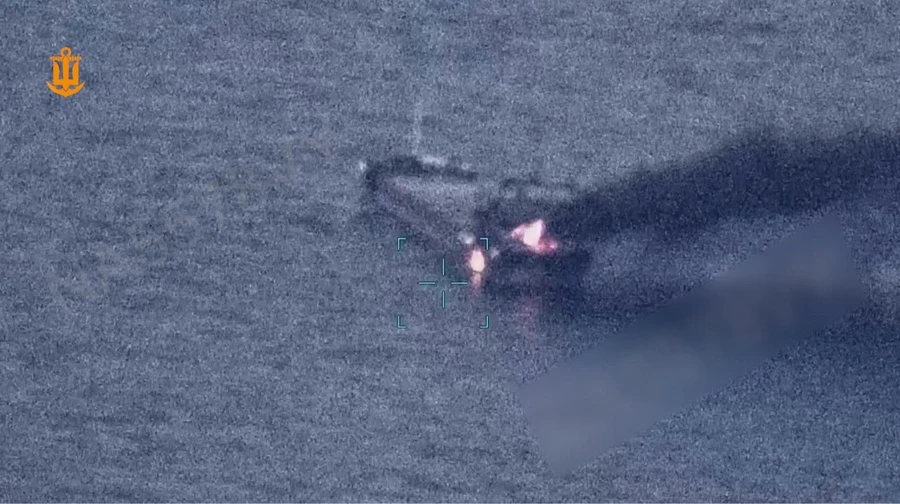
A Russian drone attack that Ukrainian officials say hit three merchant vessels, killing an Egyptian crew member and damaging a Turkish-operated dry cargo ship, puts commercial shipping risk back at the centre of Ukraine's wartime trade problem.
Russian drone attacks on merchant vessels near Ukraine have pushed maritime security back to the centre of the war’s trade and defence picture, after Ukrainian officials said three commercial ships were hit and an Egyptian crew member was killed.
Reuters reported on 22 June, citing Ukraine’s navy and Deputy Prime Minister Oleksiy Kuleba, that Russian drones struck three merchant vessels. Ukrainian officials said the attack killed an Egyptian crew member and damaged a Turkish-operated dry cargo vessel.
The incident matters because it is not only another strike on port infrastructure. It is a fatal attack affecting foreign-crewed commercial shipping. That changes the risk calculation for shipowners, insurers, flag states, port operators and governments trying to keep Ukraine’s maritime export routes open.
Russia has repeatedly targeted Ukraine’s ports, grain infrastructure, energy facilities and logistics routes. The strategic logic is clear: Ukraine’s economy depends on moving exports, especially agricultural and industrial cargo, through Black Sea and Danube routes.
But attacks on vessels themselves carry a different weight. A damaged terminal can be repaired. A warehouse fire can be contained. A direct strike on a merchant ship places civilian crews into the combat-risk environment and turns the commercial route into a defence problem.
That is why this incident deserves attention beyond the immediate casualty figure. The death of an Egyptian crew member internationalises the human cost. Damage to a Turkish-operated vessel brings in another state with major Black Sea interests. Each foreign link widens the diplomatic and insurance consequences.
Commercial shipping depends on risk pricing. If insurers believe vessels approaching Ukrainian ports face a higher probability of drone attack, war-risk premiums rise. If premiums rise too far, some operators may refuse routes or demand state guarantees, higher freight rates or special security arrangements.
That affects Ukraine directly. Wartime exports are not only an economic issue. They support budget revenue, foreign exchange, agricultural producers, industrial supply chains and the country’s ability to sustain itself during war.
The International Maritime Organization has repeatedly stressed the need to protect civilian shipping and seafarers during conflicts. In Ukraine’s case, that principle now meets a hard operational problem: drones can threaten vessels even when they are not military targets.
Merchant ships are rarely simple national assets. A vessel may be owned in one country, operated from another, flagged elsewhere and crewed by seafarers from several states. That complexity becomes politically important after an attack.
An Egyptian death creates consular and diplomatic consequences. A Turkish-operated ship raises questions for Ankara, which has its own Black Sea role, naval interests and relationship with both Kyiv and Moscow. If additional vessels were under foreign flags, the circle of affected states widens further.
Russia can deny targeting civilian shipping or argue that military activity was nearby. Ukraine can argue that Moscow is deliberately trying to choke its trade routes. The legal and diplomatic fight will depend on evidence, vessel data, port records, damage assessment and the chain of official statements.
For maritime security planners, the practical question is simpler: can Ukraine’s sea routes remain reliable if commercial ships become regular targets?
Defence Matters has covered the wider maritime-risk environment around Russia’s war, including how Russian warning shots near UK waters raised Channel maritime risk against the background of shadow-fleet enforcement. The Ukraine merchant-vessel strike belongs to the same broader pattern: civilian shipping is increasingly exposed to military signalling, sanctions pressure and drone warfare.
The Black Sea and Danube routes are especially sensitive because Ukraine’s export resilience depends on them. Russia’s withdrawal from earlier grain arrangements and repeated attacks on Odesa-region port infrastructure forced Kyiv, insurers and shipping companies to develop alternative risk models. Those models rely on the assumption that traffic can continue if routes are managed, defended and priced.
A fatal drone attack challenges that assumption.
Protecting maritime trade routes is not only a coastguard task. It involves air defence, electronic warfare, radar coverage, port security, naval intelligence, demining, escort planning and international coordination.
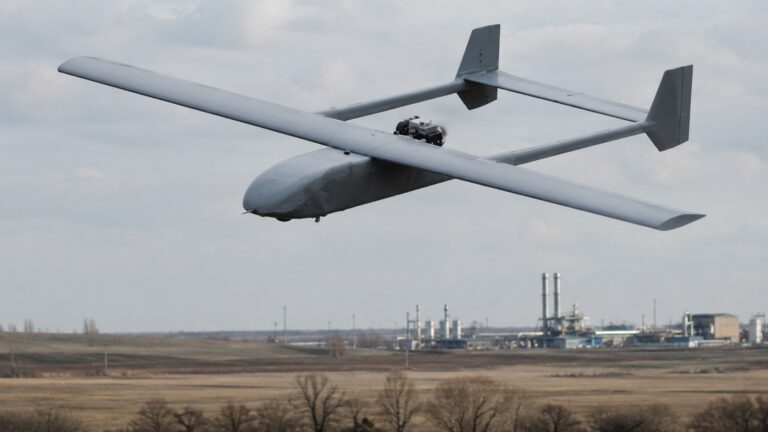
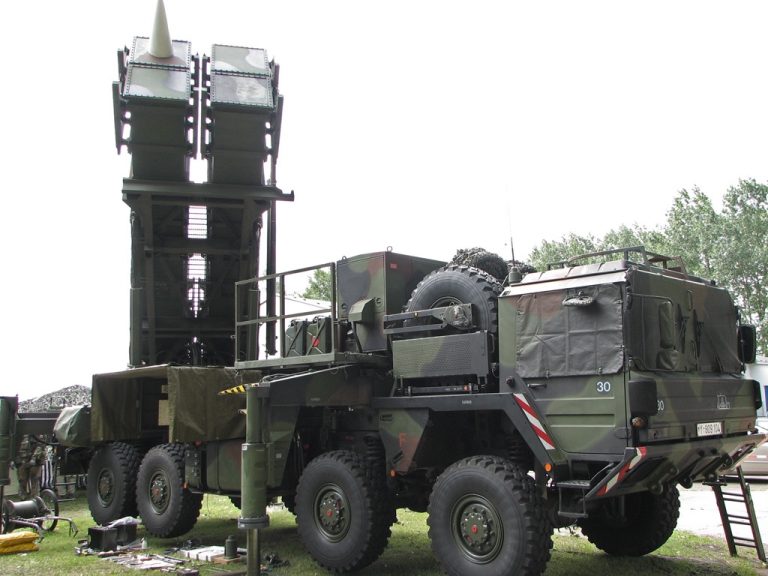
Russian drones can be launched against ports, anchorages, approach routes or vessels near loading areas. Defending against them requires layered coverage. Mobile air-defence teams may protect port zones, but ships at sea or moving through river approaches create a wider defensive problem.
Ukraine does not have unlimited naval or air-defence capacity. Every system assigned to protect maritime commerce is a system not assigned elsewhere. Yet losing maritime reliability would impose economic costs that also affect the war effort.
That is the defence trade-off.
The strike sends a message to the shipping market as much as to Ukraine. Russia does not need to stop every vessel to create pressure. It only has to make the route appear dangerous enough for insurers, charterers and crews to hesitate.
That is why fatal incidents matter disproportionately. A single death can shift risk perception faster than a series of near misses. Shipowners and crewing agencies will ask whether Ukrainian routes remain acceptable. Governments will ask whether their nationals are exposed. Insurers will ask whether premiums still reflect the threat.
Ukraine has strong incentives to keep exports moving. Russia has strong incentives to make that harder.
The attack on three merchant vessels shows that the contest over Ukraine’s maritime trade is not over. It is moving from ports and grain terminals to the ships and crews that make trade possible.