That era appears to be ending.
A surge of geopolitical instability, from the war in Ukraine to escalating tensions in the Middle East and concerns over China’s military ambitions in the Indo-Pacific, has transformed attitudes towards defence technology. Venture capital investors are now pouring unprecedented sums into companies developing next-generation military capabilities, with funding reaching an estimated $12 billion as governments seek innovative solutions to emerging security threats.
The shift reflects a growing recognition that future conflicts will be shaped not merely by conventional weapons systems but by software, artificial intelligence, autonomous platforms and advanced sensing technologies. Defence ministries across the Western world are increasingly looking beyond traditional prime contractors and towards agile technology firms capable of delivering rapid innovation.
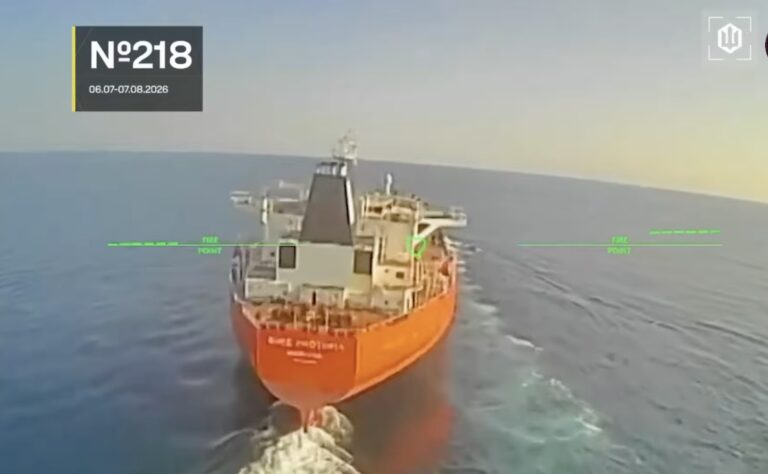
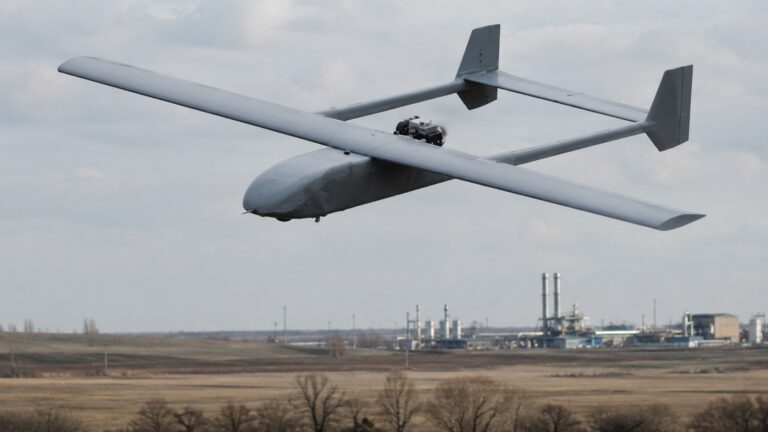
The war in Ukraine has been particularly influential in changing investor perceptions. Images of inexpensive drones destroying multi-million-dollar armoured vehicles have demonstrated how technological innovation can alter the battlefield. Equally significant has been the widespread use of artificial intelligence, satellite communications and commercial space technology to support military operations.
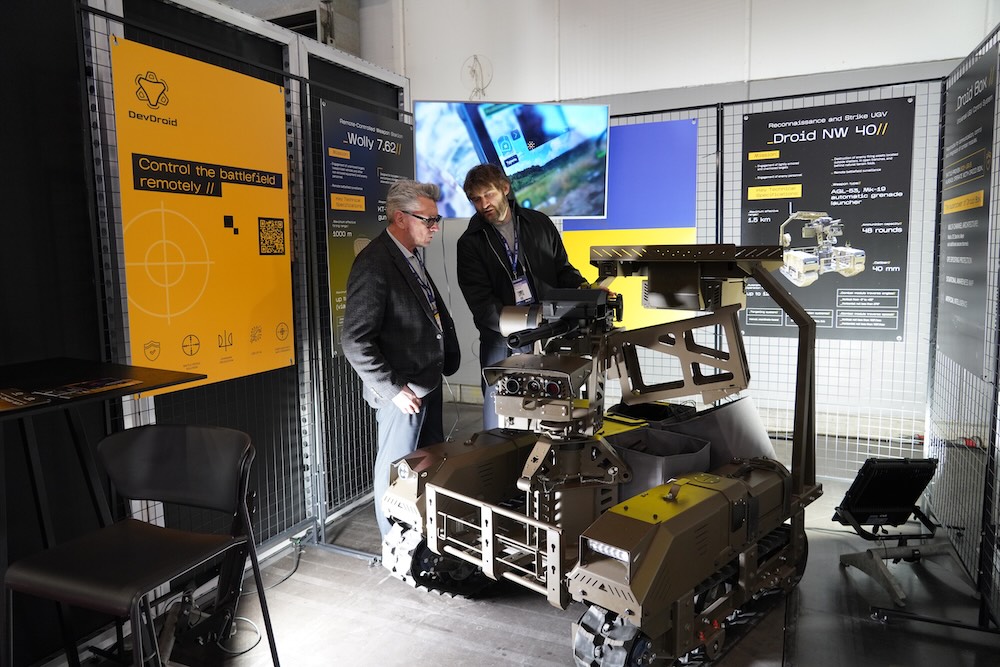
For venture capital firms, these developments have highlighted opportunities that were once overlooked. Start-ups developing autonomous aircraft, underwater vehicles, battlefield intelligence systems and advanced cybersecurity tools are attracting substantial backing from investors eager to capitalise on growing defence budgets.
Governments themselves have played a crucial role in encouraging the trend. Across Europe and North America, policymakers have become increasingly vocal about the need to strengthen domestic defence industries and reduce dependence on foreign suppliers. The prospect of sustained increases in military spending has provided investors with confidence that demand for innovative defence technologies will remain robust for years to come.
Europe has experienced perhaps the most dramatic change in sentiment. Countries that once viewed military expenditure with caution are now committing significant resources to modernising their armed forces. Germany’s landmark rearmament programme, Poland’s rapid military expansion and growing defence commitments across the Nordic states have created a fertile environment for defence-focused technology businesses.
The result has been the emergence of a new generation of companies operating at the intersection of Silicon Valley innovation and national security priorities. Unlike traditional defence contractors, many of these firms embrace the rapid development cycles familiar to the technology sector, enabling them to adapt products quickly in response to operational feedback.
Artificial intelligence has become a particular focus for investors. Military planners increasingly believe AI will be central to future command-and-control systems, intelligence analysis and autonomous operations. Companies offering capabilities in these areas have attracted some of the largest investment rounds, reflecting expectations that software-driven warfare will become increasingly important.
Critics, however, warn that the influx of capital raises ethical and regulatory questions. The prospect of autonomous weapons systems, AI-enabled targeting technologies and increasingly sophisticated surveillance capabilities continues to generate debate among policymakers and civil society groups. Investors must also navigate complex export controls and national security regulations that do not apply to most commercial technology sectors.
Nevertheless, enthusiasm remains strong. For many investors, defence technology now represents not only a commercial opportunity but also a strategic necessity. The assumption that peace and globalisation would define the twenty-first century has been replaced by a more uncertain outlook in which military preparedness is once again a central concern.
That changing reality is reshaping financial markets as surely as it is reshaping government policy. Venture capitalists who once avoided the defence sector are increasingly viewing it as one of the most important areas for long-term investment. With conflicts showing little sign of disappearing and governments determined to strengthen national security, the flow of capital into defence technology appears likely to continue.
What was once a niche corner of the venture capital landscape has become one of its fastest-growing sectors. The message from investors is clear: in an age of geopolitical confrontation, defence innovation is no longer a specialist interest but a mainstream investment theme.
To build strategic autonomy, Europe needs to wean itself off foreign technology, By Robert Brull