Fuel restrictions reported in Omsk and Novosibirsk suggest Ukraine's strike campaign against Russian energy infrastructure is moving beyond occupied Crimea and into Russia's domestic supply system.
Russia’s fuel restrictions have reportedly spread to Omsk and Novosibirsk after repeated Ukrainian attacks on energy infrastructure, turning what first appeared to be a Crimea logistics problem into a wider sign of domestic pressure inside Russia.
Reuters reported on 23 June that Russia’s fuel crisis had reached parts of Siberia, including Omsk and Novosibirsk, after repeated Ukrainian strikes on refineries, depots and supply infrastructure. The report follows disruption in Russian-occupied Crimea, where authorities suspended civilian fuel sales after attacks on supply routes and energy facilities.
The new geography matters. Crimea’s shortages could be explained by the vulnerability of an occupied peninsula dependent on exposed routes across the Kerch Strait and southern Ukraine. Omsk and Novosibirsk are different: deep inside Russia, far from the front, and in a region associated with energy production, refining and transport rather than frontline logistics.
That makes the story less about another individual strike and more about cumulative pressure on Russia’s fuel system.
Defence Matters recently reported that Crimea’s fuel halt showed Ukraine’s drone campaign moving from strikes to sustained pressure. The reported spread to Omsk and Novosibirsk widens that frame. If restrictions are now appearing in Siberian cities, the issue is no longer confined to contested territory, coastal logistics or symbolic strikes near the capital. It points to stress in the domestic distribution network that supports Russia’s wider economy and war effort.
Fuel is not only a civilian commodity. Diesel, petrol and aviation fuel connect military movement, rail and road transport, agriculture, emergency services and industrial output. When restrictions reach major Russian regions, they create economic, political and operational consequences.
The Guardian reported on Ukraine’s intensified campaign against Crimea, describing Kyiv’s effort to raise the cost of Russia’s occupation by targeting logistics and fuel access. The Siberian restrictions suggest the same logic may now be producing effects much deeper inside Russia.
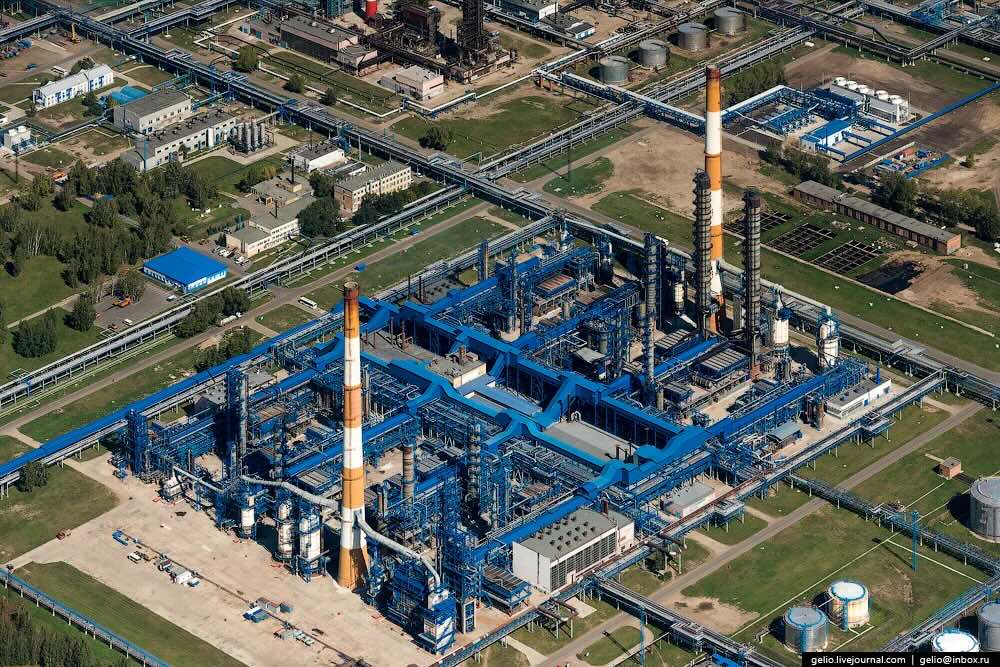
Omsk is not just another city on the map. It hosts one of Russia’s largest refining centres and sits within a major energy and transport region. Fuel restrictions there carry symbolic and practical weight because Siberia is supposed to be part of Russia’s energy depth, not a vulnerable consumer zone. Novosibirsk adds another layer: as one of Russia’s largest cities and a key Siberian transport hub, pressure there can affect freight routes, regional distribution and public confidence.
The operational effect is cumulative. Ukraine does not need to shut down Russia’s entire refining system to create pressure. It needs to make supply less predictable, repairs more frequent and distribution more politically sensitive.
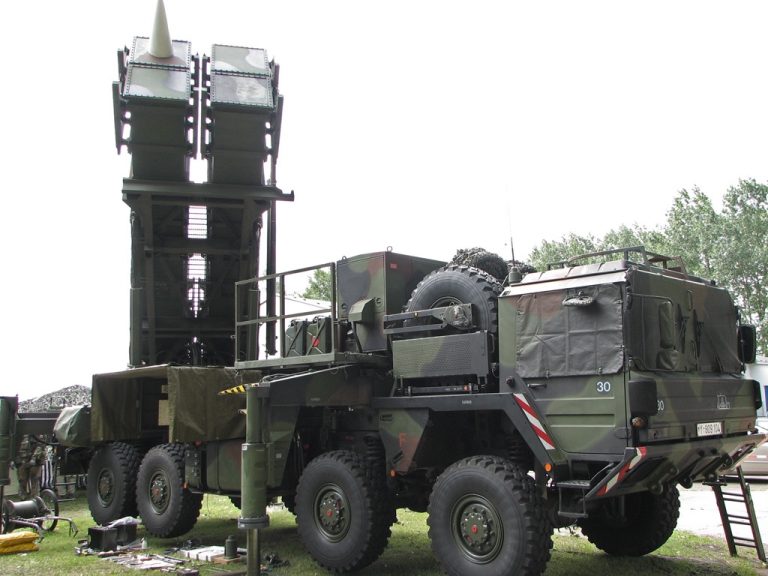
The spread of fuel restrictions also forces Russia to make air-defence choices. Moscow already has to protect cities, military bases, airfields, ports, bridges, refineries and oil depots. Every additional region under pressure expands the defensive map.
Defence Matters has examined how Ukraine’s Tyumen refinery strike extended pressure on Russia’s energy depth and how the Moscow refinery strike showed Ukraine’s drone war reaching Russia’s fuel system. The reported Siberian rationing is the next stage of that pattern: not merely damage at one site, but pressure visible in regional fuel availability.
Recent reporting has underlined the difficulty. Business Insider reported that Ukrainian drones had penetrated several layers of Russian air defences before hitting the Moscow oil refinery, highlighting the challenge of protecting fixed industrial infrastructure across a very large territory. Even intercepted attacks can force shutdowns, inspections and emergency repairs.
Fuel rationing has political effects because it brings the war home in a concrete way. Russian citizens may tolerate distant battlefield losses when information is controlled. Long queues, purchase limits and price increases are harder to hide.
The Kremlin can blame Ukraine, impose controls and prioritise official supply. But restrictions still signal scarcity. If military and government users are protected while civilians and businesses face limits, the state is making allocation decisions under stress.
The military implications should not be overstated. Russia is not running out of fuel because of one wave of restrictions. It has reserves, production capacity, rail networks and state coercive tools. But every visible disruption adds to the cost of protecting infrastructure and managing wartime supply.
The key question now is whether restrictions remain temporary and localised or become a recurring feature across Russia. Analysts should watch for purchase caps, long queues, export restrictions, refinery shutdowns, emergency transfers between regions and additional air-defence deployments around energy sites.
Those indicators will show whether Ukraine’s refinery and depot campaign is producing sustained operational effects or only episodic disruption.
For now, the reported spread to Omsk and Novosibirsk is significant because it changes the map. Ukraine’s strike campaign is no longer only visible in occupied Crimea or near Moscow. It is being felt in Russia’s domestic fuel network far from the front.