Russian tax-code amendments aimed at fuel shortages show that Ukraine's refinery campaign is no longer only producing damage reports; it is forcing Moscow into domestic market intervention.
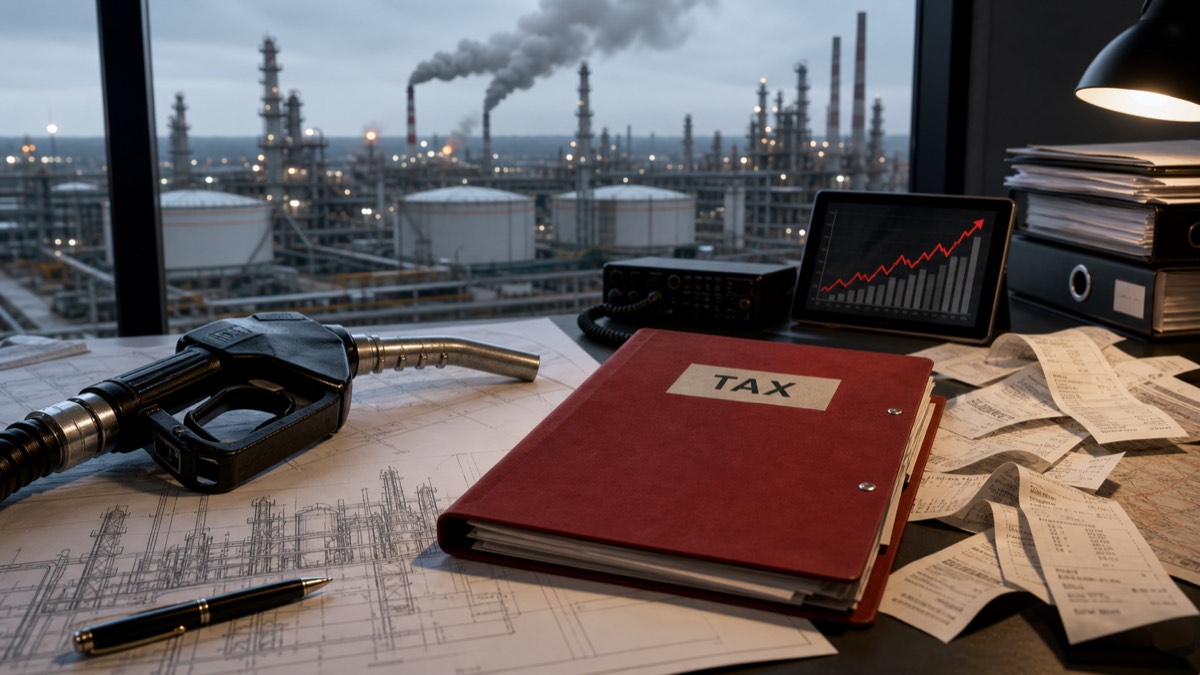
Russia’s parliament has approved tax-code amendments aimed at easing fuel shortages linked to Ukrainian drone attacks on refineries, turning Kyiv’s long-range strike campaign into a measurable domestic-policy problem for Moscow.
The amendments include support for fuel imports and measures allowing lower-quality blending, as Russia tries to stabilise supply after repeated attacks on refining infrastructure. The legislative response matters because it is not a battlefield claim or a Ukrainian assessment. It is a Russian state response to pressure in its own fuel market.
Defence Matters recently reported that Russian fuel rationing had moved east as Ukraine’s strike campaign hit domestic supply. The tax-code amendments are the next stage of that story: from rationing and regional restrictions to fiscal and regulatory intervention.
Ukraine’s campaign against Russian energy infrastructure has often been described through individual incidents: a refinery fire, a depot explosion, an air-defence failure or a temporary shutdown. The tax changes show why that framing is too narrow.
When a state changes tax rules, subsidises imports or permits lower-quality blending, it is acknowledging that market disruption has become significant enough to require policy tools. That does not mean Russia is running out of fuel. It does mean the fuel system is under stress.
In June Ukraine intensified attacks on Crimea to raise the cost of Russia’s occupation, including pressure on fuel access. Ukrainian attacks have also reached refineries and depots far inside Russia, creating a wider challenge for distribution and repair.
Fuel is a military commodity before it is a consumer product. Russia’s armed forces need diesel, petrol, aviation fuel and lubricants for vehicles, aircraft, generators, rail logistics and rear-area operations. Civilian shortages can be managed through prioritisation, but prioritisation itself reveals stress.
If Moscow protects military and state users while subsidising imports or changing blending rules for the civilian market, it is managing scarcity. That can affect transport costs, agriculture, regional business activity and public confidence.
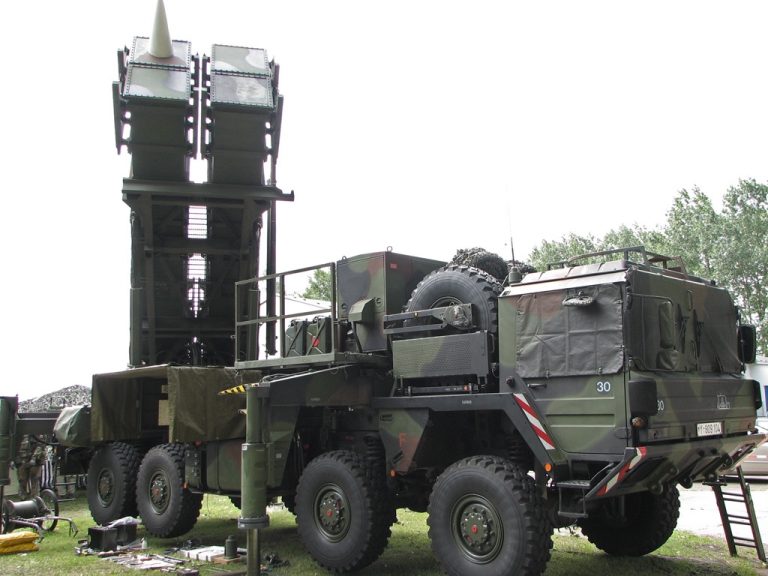
It can also affect air-defence allocation. Refineries, storage depots, pipelines and rail nodes are fixed targets. Protecting them requires radars, interceptors, electronic warfare, patrols and repair capacity. Every additional industrial site that needs protection competes with frontline and military-base defence requirements.
Fuel-import subsidies are politically sensitive for an energy-exporting country. Russia is one of the world’s major oil producers. If it needs policy support to bring fuel into parts of its domestic market, the issue is not crude availability but refining capacity, distribution, quality and logistics.
Lower-quality blending sends a similar signal. It suggests that authorities are trying to increase usable supply by adjusting standards or inputs, rather than relying only on normal refinery output. That may help manage short-term shortages, but it also indicates that the domestic market is being distorted by the war.
The economic effects may interact with sanctions, export rerouting and refinery-repair constraints. Russia has tools to manage the problem, but those tools are not cost-free.
Ukraine’s long-range strike campaign is not designed to defeat Russia by destroying a single refinery. It is designed to impose recurring costs on the infrastructure that keeps Russia’s war economy functioning.
Business Insider reported earlier this month that Ukrainian drones penetrated several layers of Russian air defences before hitting a Moscow oil refinery, highlighting the difficulty of protecting fixed industrial infrastructure across a huge territory.
That is the strategic logic now visible in the Russian tax response. Kyiv does not need to stop all Russian refining. It needs to make repair cycles more frequent, insurance and logistics more complicated, civilian restrictions more visible and domestic management more expensive.
The Russian amendments should therefore be treated as evidence of effect. They do not prove that Ukraine’s campaign is decisive, but they show that the campaign has crossed from tactical disruption into state-level economic management.
For defence planners, that matters. The war is increasingly being fought through logistics, energy systems, industrial resilience and domestic pressure. Ukraine’s strikes on refineries are not separate from the battlefield. They are part of a wider attempt to stretch Russia’s capacity to protect, repair and supply itself.
The key indicators now are not only explosions. They are tax changes, subsidies, fuel-quality adjustments, regional restrictions, price controls and air-defence deployments.
Russia’s parliament has now provided one of those indicators itself.