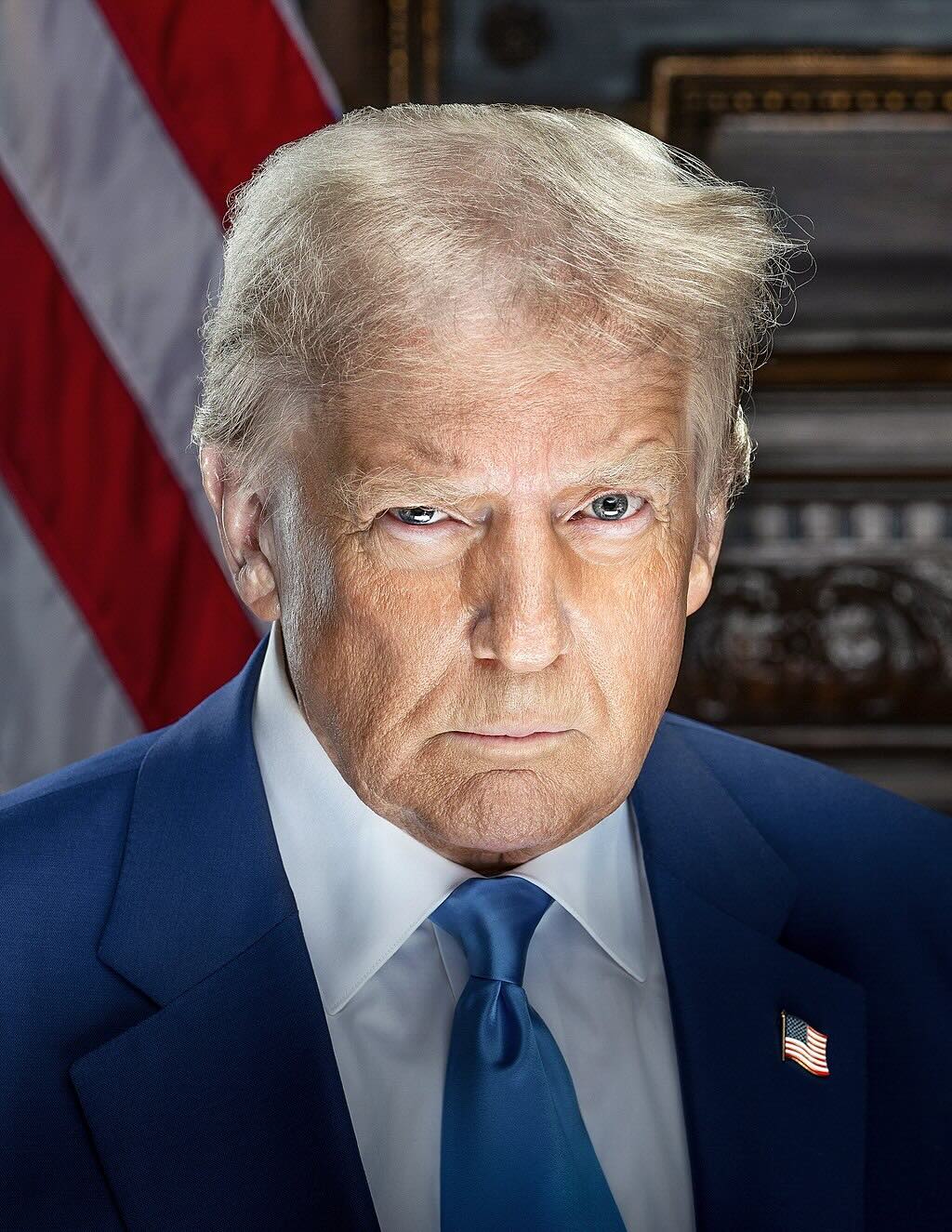
At a White House briefing that evening, Trump told reporters that information from “good authority” indicated “the killings and the executions” were stopping and that there were “no plans” for executions, adding that the United States would verify the claim and would be “very upset” if it proved untrue. The statement followed a sharper message the previous day, when Trump urged Iranians to continue protesting and “take over your institutions”, saying “help is on its way”, without specifying what form that help would take.
The change of emphasis came as commercial carriers and flight-tracking data reflected anxiety about a possible US strike. Iran briefly closed its airspace to most flights, triggering reroutes, delays and cancellations. Germany warned aircraft to avoid Iranian airspace, while Lufthansa altered operations by bypassing Iran and Iraq and operating only daytime flights to Tel Aviv for several days, a move aimed at preventing crews from staying overnight in Israel.
In the Gulf, Washington took precautions at key bases. Reuters reported that the United States withdrew some personnel from Middle East facilities as a defensive measure and that Iranian officials warned of retaliation if the US struck. The Guardian also reported the withdrawal of some US and UK personnel from Al Udeid air base in Qatar.
Alongside these steps were signs interpreted by observers as preparations for air operations. The Times of Israel reportedthat six KC-135 refuelling aircraft departed Al Udeid, citing flight-tracking websites, though it was unclear whether they were repositioning away from risk or supporting potential strike plans. Specialist defence reporting likewise noted an apparent dispersal of aircraft from the base and described Trump’s comments as adding uncertainty about whether an attack was still being readied.
Iran’s leadership has issued mixed messages. Iranian Foreign Minister Abbas Araghchi said there would be no executions of protesters, while Iran’s judiciary leadership has publicly stressed swift punishment of detainees, a gap highlighted in international reporting. Tehran has also warned that any US or Israeli attack would be met with a decisive response, including against American targets in the region.
The White House’s dilemma is whether a single strike could produce the political effect Trump has hinted at. Reporting drawing on officials and sources close to the discussions has described advisers cautioning that a limited blow might not shift the balance inside Iran and could invite retaliation against US forces and partners. An NBC-linked report said Trump wanted any action to be swift and “definitive”, with sources describing a preference for a decisive outcome rather than an open-ended campaign. CNN reported that the administration was weighing options that included strikes on facilities tied to Iran’s security apparatus, while also assessing the risks of escalation.
Israel’s posture adds another variable. Israeli and Arab officials have urged caution about striking too early, arguing that an American attack could fail to topple the regime and might even strengthen it, according to reporting that cited NBC. Separately, the Wall Street Journal reported that Gulf states had lobbied Washington against a strike, citing fears of regional instability and disruption to oil markets.
For Iranian protesters, Trump’s public rationale matters because it links prospective US action to a contested factual claim: whether the killing and executions are truly stopping. Rights groups and international media have reported large casualty figures and mass arrests during the crackdown, while verification remains difficult amid information controls.
By the end of the night of 14 January, no US operation had begun, despite the day’s indicators in airspace management, airline scheduling and base precautions.