Ukrainian drone units have carried out a series of attacks against Russian aviation and air-defence assets in Rostov Oblast, Krasnodar Krai and occupied Crimea, with radar installations designed to detect low-flying drones among the principal targets.
On 23 August, Major Robert Brovdi, commander of Ukraine’s Unmanned Systems Forces (USF), said his units had struck 14 high-value aviation and air-defence targets. Eleven were in Rostov Oblast and Krasnodar Krai, while three were in occupied Crimea.
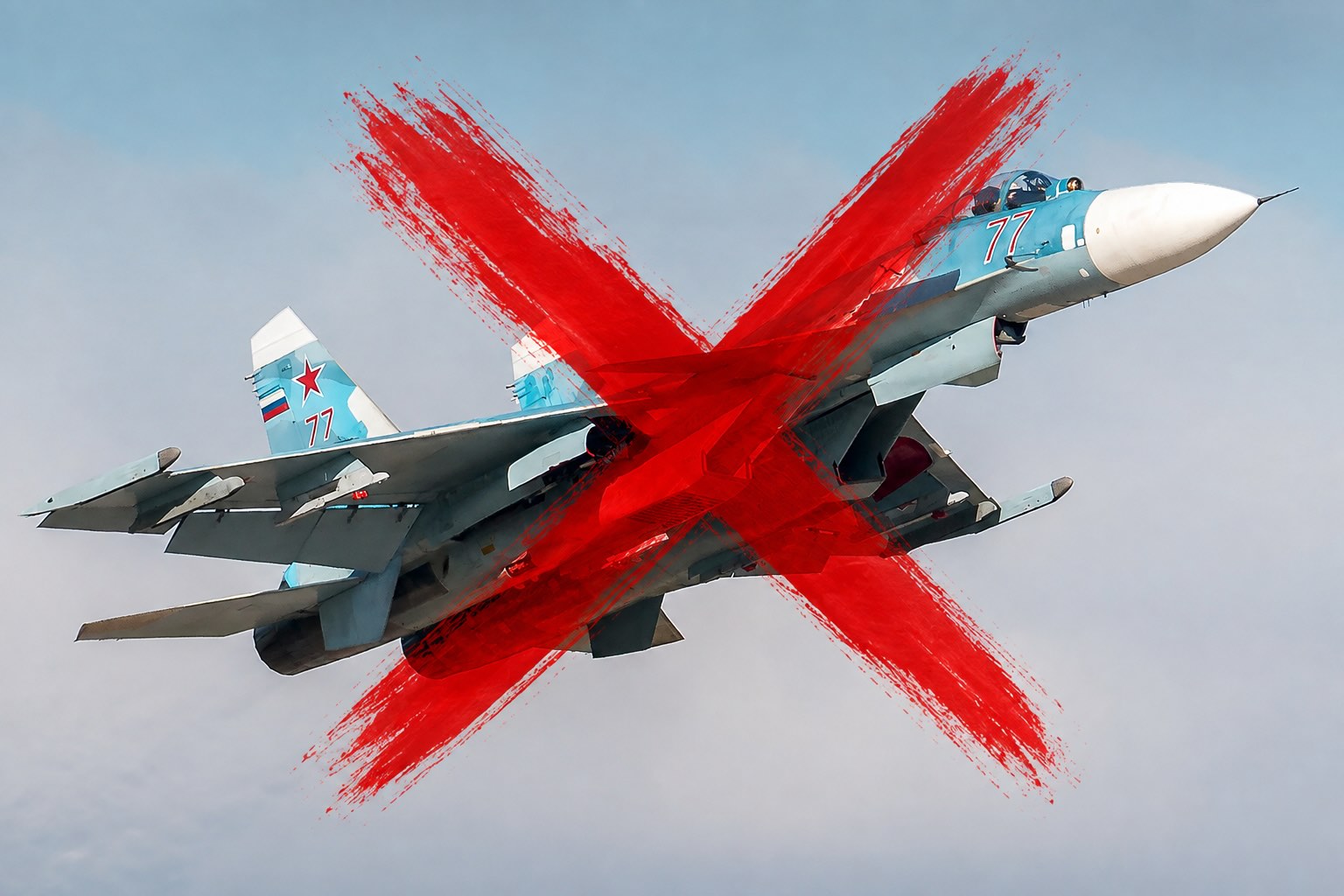
The reported targets included a Su-33 fighter, a MiG-29 and an Orion reconnaissance and strike UAV at Vityazevo airfield near Anapa. The same operation targeted eight radar systems: two Nebo-U, two Kasta-2E2, two Podlyot radars, a 36D6M and an ST-68.
Brovdi also reported strikes on a Tor surface-to-air missile system in Rostov Oblast, a Pantsir-S1 at Yeisk and an S-400 Triumf position at Gelendzhik. The post was accompanied by video showing attacks on several of the listed targets.
The campaign continued overnight into 24 August. Brovdi said USF units had engaged 66 targets in what he described as the operational depth of the Russian rear. Among the more sensitive targets, he listed another MiG-29 at Dolotinka in Rostov Oblast and four radar systems: two Kasta-2E2s and a Nebo-SV in Rostov Oblast, and an ST-68 at Rozdolne in occupied Crimea.
Taken together, the two USF reports amount to claims of attacks on three Russian fighters, an Orion UAV and 12 radar stations in approximately 48 hours. The source material examining the operation also identifies the unusually high concentration of radar targets as one of its central features.
Ukraine’s General Staff has independently confirmed part of the reported damage, although not the entire USF list.
In an official update issued on 24 August, the General Staff said that assessments of the previous day’s attack had established that a Su-33, MiG-29 and Orion UAV had been damaged at Vityazevo airfield. It also confirmed that an ST-68 radar at Rozdolne had been hit during operations on 23 August and overnight into 24 August.
Separately, the General Staff had already confirmed that Ukrainian forces struck another ST-68 radar at Yevpatoria during attacks on 22 August and overnight into 23 August. It said the extent of the damage was still being assessed.
The military significance of the campaign lies primarily in the types of radar being targeted.
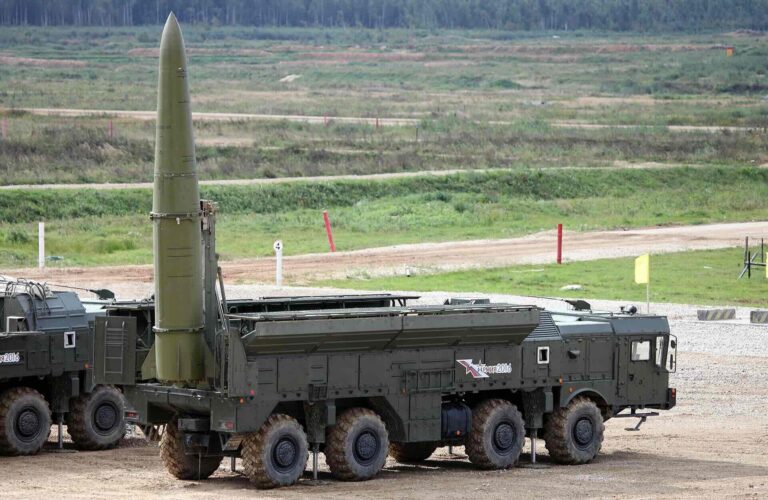
Kasta-2E2 and Podlyot systems are intended to detect low-altitude aerial targets, including aircraft, helicopters, cruise missiles and drones. The Nebo family provides longer-range surveillance, while the 36D6 series can form part of the wider detection network supporting Russian surface-to-air missile systems.
Repeatedly attacking these sensors can have effects beyond the loss of an individual radar. Russia’s air-defence network depends on overlapping detection coverage, with information from multiple sensors passed to missile batteries and other interception assets. Removing individual nodes can reduce coverage in particular sectors or require replacement radars to be moved from elsewhere.
The simultaneous attacks on Tor, Pantsir and S-400 systems are therefore also relevant. Tor and Pantsir systems provide shorter-range protection and can themselves be used to defend larger air-defence positions against drones and other low-flying threats. The S-400 constitutes one of Russia’s principal long-range surface-to-air missile systems.
The operations have also raised questions about how some Ukrainian drones are being controlled at extended range.
Footage associated with the attacks appears to show imagery consistent with an operator retaining a terminal view of the target rather than a weapon simply navigating to fixed coordinates. The original analysis consequently speculates about satellite communications, relay aircraft, ground repeaters or combinations of several communications technologies.
There is, however, no publicly available evidence establishing that Starlink was used in the attacks, nor that SpaceX has enabled Ukrainian military terminals for operations over Russian territory. The communications architecture behind the drones shown in Brovdi’s footage has not been disclosed.
The more firmly documented development is the scale and concentration of the attacks themselves. Rather than striking only individual missile batteries or airfields, Ukrainian units appear to be systematically targeting the surveillance layer supporting Russian air defence in the south.
If the reported losses are confirmed, the result would not leave the region without air-defence coverage. It could, however, force Russia to reposition radar systems, alter deployments and devote additional resources to protecting the equipment intended to detect the next Ukrainian strike.