The Trump administration has reportedly warned Ukraine against striking non-Russian shipments in the Black Sea after drone attacks damaged tankers near the Caspian Pipeline Consortium terminal outside Novorossiysk.
The intervention followed discussions between Chevron chief executive Mike Wirth and US officials about the security of the company’s operations in Kazakhstan. Four vessels were reportedly hit near Novorossiysk, including a tanker chartered by Chevron, before Washington cautioned Kyiv against targeting cargoes that were not Russian, according to reporting on the administration’s response.
The warning illustrates the problem of target discrimination in a maritime environment where ownership, chartering, cargo origin, registration and destination may all point to different countries.
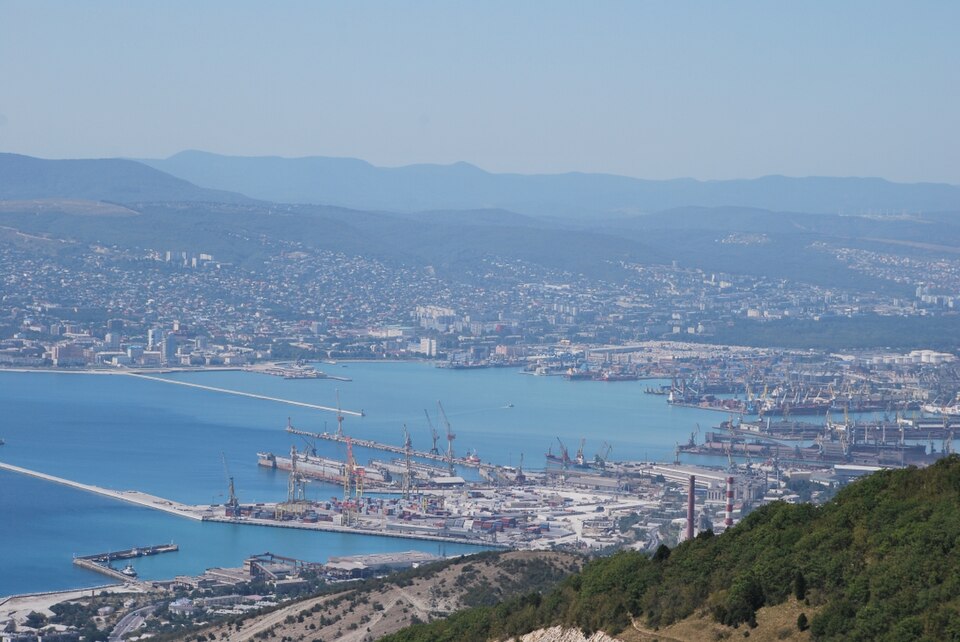
Novorossiysk is Russia’s largest port by volume and a major military and commercial hub. It handles Russian oil, grain, metals and container cargoes, but it is also the terminal point for the Caspian Pipeline Consortium, which carries predominantly Kazakh crude across Russian territory.
Chevron owns 15 per cent of the pipeline, while its Kazakhstan operations include a 50 per cent share in the Tengizchevroil partnership. The 1,511-kilometre pipeline carries about 2 per cent of global daily oil supplies, with approximately 90 per cent of its crude originating in Kazakhstan.
From a Ukrainian operational perspective, Novorossiysk and the surrounding maritime routes have strategic importance. The port supports Russian energy exports and commercial revenue, while the wider region contains naval, fuel and logistics infrastructure relevant to operations in occupied Crimea and southern Ukraine.
Ukraine has expanded its campaign against Russian vessels and energy infrastructure in the Black Sea and Sea of Azov. The attacks have disrupted fuel transport, restricted access to Russian-controlled ports and forced Moscow to impose additional maritime security measures.
The difficulty is that vessels operating near Russian ports are not necessarily Russian-owned or carrying Russian products. A tanker can be registered under one flag, owned through a company in another jurisdiction, operated by a separate ship manager, chartered by an American energy company and loaded with Kazakh crude.
That distinction became evident after the Exxon-chartered Nordic Zenith was hit by two drones near the CPC terminal. The resulting fire was extinguished, 13 crew members were evacuated and the vessel was declared unfit to load at the terminal. CPC did not identify who carried out the attack.
Russia has accused Ukraine of responsibility for the wider series of strikes, but Kyiv has not commented publicly on the CPC incidents. That absence of confirmation is important because the circumstances of individual attacks, including intended targets and the systems used, have not been independently established.
The disruption nevertheless produced strategic effects beyond the immediate damage to the ships. Kazakhstan was forced to reduce production after the terminal stopped accepting crude. Output at the Tengiz field more than halved, while consultations began among Kazakhstan’s government, oil producers, CPC, port authorities and shipowners.
Such consequences can create political costs for Kyiv even when an attack affects infrastructure situated inside Russia. Kazakhstan is not a party to the war, while Chevron and Exxon are American companies with direct access to the US administration.
The reported White House intervention therefore concerns more than energy markets. It indicates that Ukraine’s freedom to conduct maritime strikes may be influenced by the identity of shipowners, charterers and cargo producers, even where vessels are using Russian ports.
The escalation also poses wider risks to civilian navigation. The International Maritime Organization condemned attacks on merchant vessels in the Black Sea and Sea of Azov on 13 July, warning that they endangered seafarers, disrupted supply chains and threatened the marine environment. The statement did not attribute responsibility to one side and called on all parties to respect international law.
Ukraine faces its own severe maritime threat. Russian strikes have damaged ports and civilian vessels in the Odesa region, causing shipowners to halt arrivals for agricultural exports. Ukraine says Russia is attempting to block its principal export route, while Moscow claims it is targeting infrastructure supporting Ukrainian military activity.
The result is an expanding economic contest at sea. Ukraine is attempting to restrict Russian energy and logistical movements, while Russia is seeking to degrade Ukrainian port capacity and deter foreign shipping.
For Ukrainian planners, the reported US warning increases the requirement for reliable intelligence before attacking vessels near Novorossiysk. Identification may require more than confirming that a ship is entering or leaving a Russian port. Cargo manifests, chartering arrangements, ownership structures and the commercial purpose of the voyage may all affect the diplomatic consequences of a strike.
Washington’s position does not appear to prohibit attacks on clearly identified Russian military or energy targets. It does, however, suggest that mistakes or ambiguous strikes involving neutral shipping could produce pressure from Ukraine’s most important security partner.
The Black Sea campaign is therefore becoming a test not only of Ukraine’s unmanned maritime capabilities, but of its capacity to select targets whose strategic value outweighs the political and economic risks of attacking them.