The claim was made by Admiral Brad Cooper, commander of US Central Command, in an operational update issued on 3 March, as Washington also pointed to the first battlefield use of its LUCAS one-way attack drone.
According to Cooper, the operation has so far involved more than 50,000 American personnel, around 200 combat aircraft, two aircraft carriers, and long-range bomber assets including the B-2, B-1 and B-52. He said US forces had struck nearly 2,000 targets in roughly the first 100 hours of the campaign, using more than 2,000 munitions against Iranian air defence systems, ballistic missile infrastructure, drones and command nodes. CENTCOM has separately confirmed that six US service members have been killed in action since the start of Operation Epic Fury.
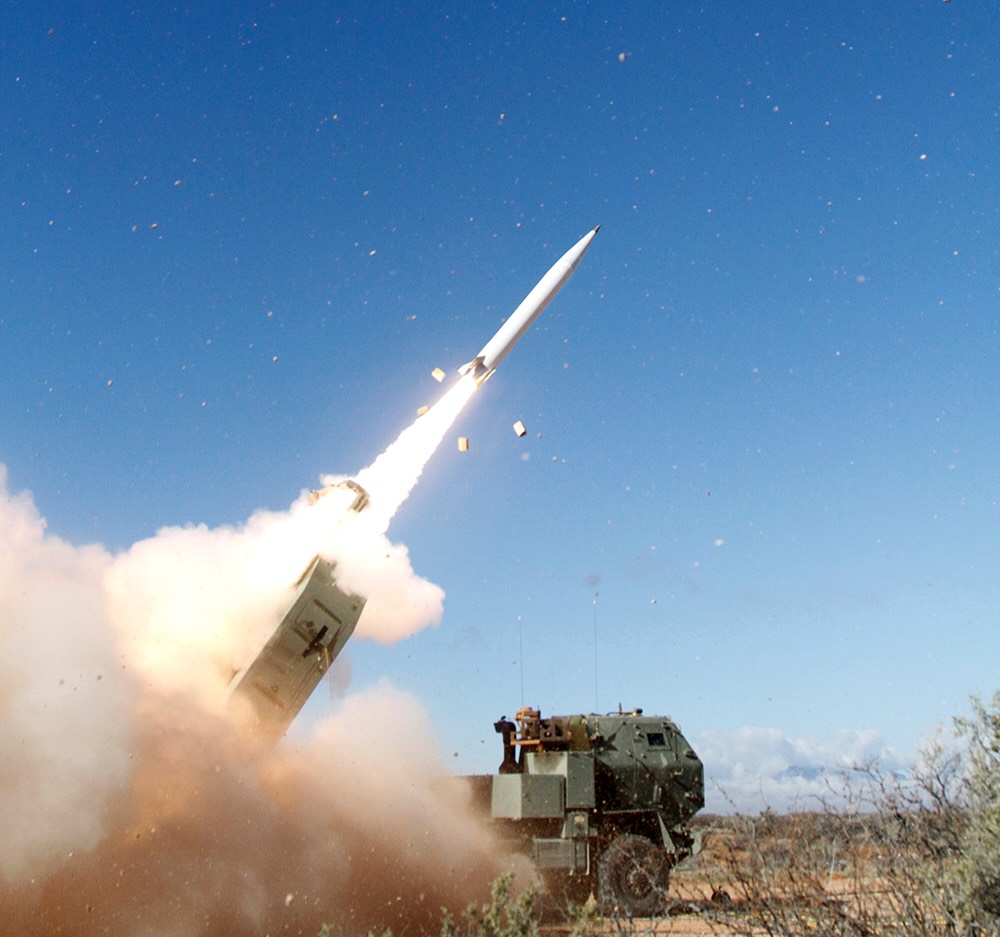
One of the more significant military points in the US account is the reported debut of PrSM, the Army’s next-generation surface-to-surface missile designed to replace ATACMS. The US Army states that PrSM Increment 1 entered production and deployment in 2025 and is intended to strike targets at ranges greater than 400 kilometres. Lockheed Martin describes the missile as being fired two rounds per pod and capable of ranges from 60 to 499-plus kilometres, while Army modernisation planning points to later variants reaching much further, potentially out to 1,000 kilometres.
If the missile has indeed now been used operationally from HIMARS launchers near Iran’s borders, it marks a notable development in US land-based deep-strike capability. PrSM gives American forces a weapon that can engage targets well beyond the reach of earlier rocket artillery systems, while reducing reliance on aircraft for every strike mission. It also reflects a broader shift in US force planning since Washington withdrew from the INF Treaty and accelerated development of longer-range ground-launched missiles.
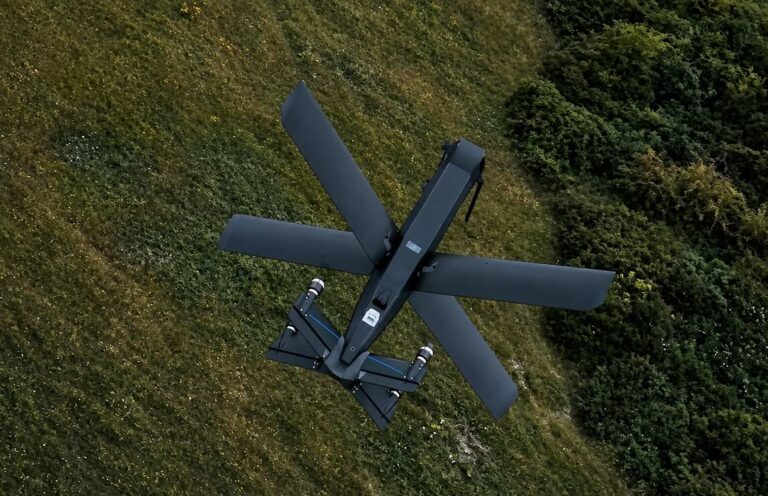
The campaign has also highlighted the role of relatively cheap expendable drones. CENTCOM announced in December 2025 that it had formed Task Force Scorpion Strike, the US military’s first one-way attack drone squadron in the Middle East, equipped with the Low-cost Unmanned Combat Attack System, known as LUCAS. That platform, according to US military and defence reporting, was conceived as a low-cost autonomous strike drone and has now reportedly been employed in combat against Iran. Several reports describe it as a US response to the battlefield impact of Iranian Shahed-type systems.
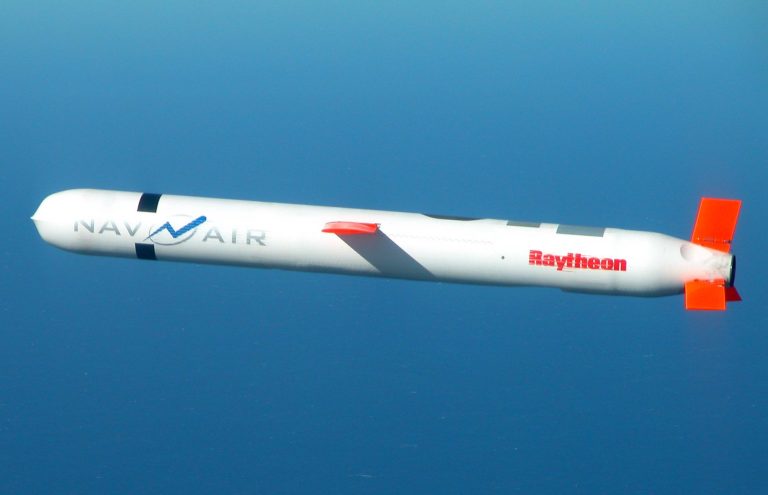
US officials have also made sweeping claims about Iranian naval losses. Cooper said American forces had destroyed 17 Iranian vessels, including what he described as the country’s most capable submarine, and that no Iranian warship remained at sea in the Gulf, the Strait of Hormuz or the Gulf of Oman. CENTCOM’s media pages show that the US Navy has publicised Tomahawk launches and strikes against Iranian naval targets.
Beyond the immediate operational picture, the significance of the campaign lies in what it reveals about US doctrine. The reported use of stealth bombers against targets deep inside Iran, combined with sea-launched cruise missiles, land-based PrSM strikes and expendable attack drones, points to a multi-domain effort aimed first at blinding Iran’s air defences and command structure, then reducing its missile-launch capacity and freedom of action at sea. CENTCOM has framed the operation in precisely those terms, presenting it as an effort to dismantle Iran’s ability to threaten US forces, regional partners and maritime traffic.
What remains less clear is the longer-term political objective. The White House has publicly defined the campaign in military terms: degrading Iran’s nuclear and ballistic missile capabilities and curbing its ability to arm or direct proxy forces. But the scale of the operation, and the increasingly expansive language used by US officials, has fuelled wider speculation that Washington’s aims may go beyond limited punishment and towards the systematic neutralisation of the Iranian state’s military apparatus. For now, what is beyond doubt is that Operation Epic Fury has become a proving ground for new American strike systems, with PrSM and LUCAS now presented as part of the opening phase of that effort.