

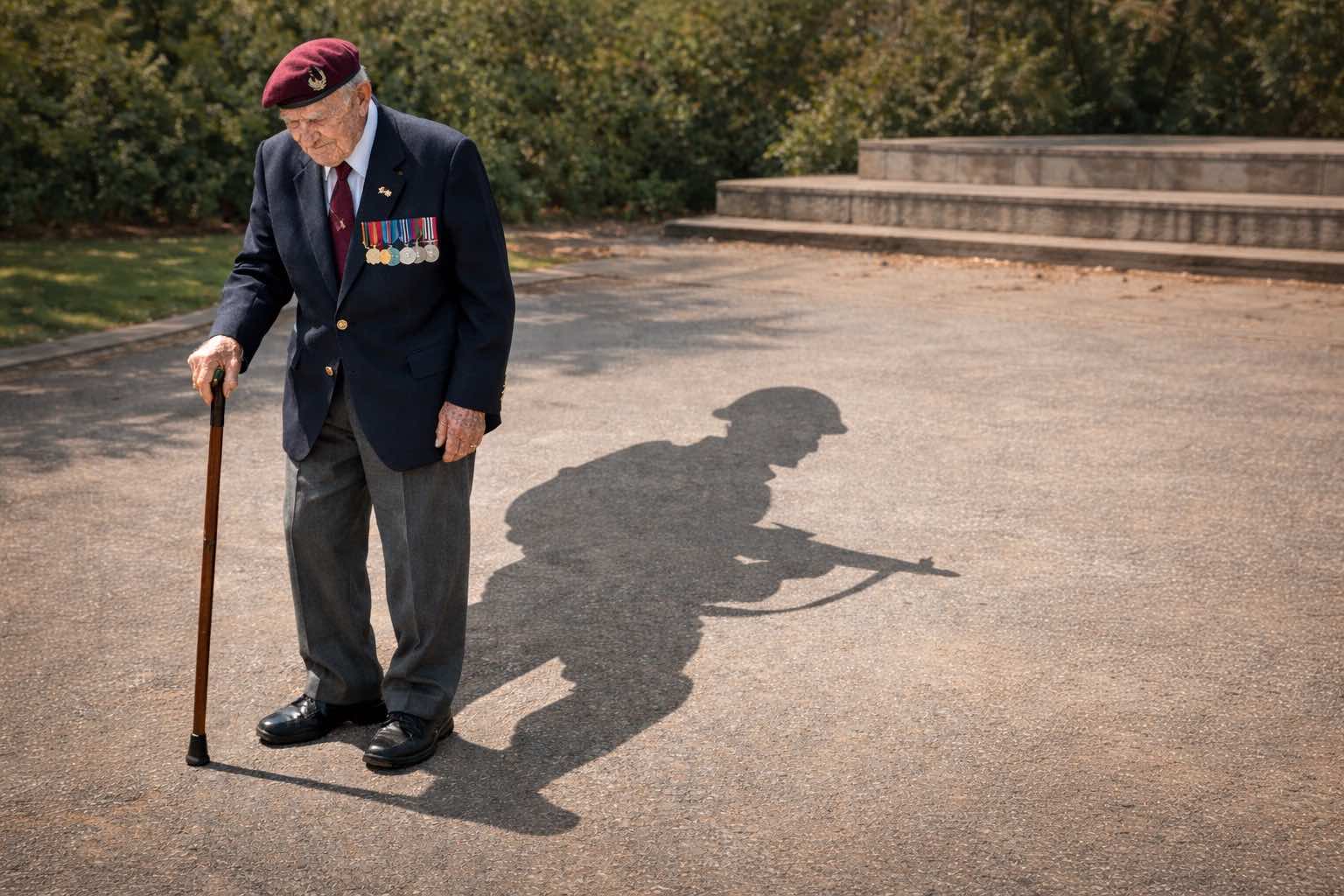
Yet across Europe, Britain and the United States there exists a generation of former servicemen and women whose experiences have faded from the public mind. They are the veterans of conflicts and deployments that, while once geopolitically significant, now sit awkwardly between history and memory: the long twilight of the Cold War, Northern Ireland, the Balkan peacekeeping missions of the 1990s, and a host of smaller operations that never commanded sustained headlines.
These men and women are ageing. And as they do so, a quiet problem is emerging — one that exposes the limits of political memory and the selective nature of public gratitude.
For much of the late twentieth century, military service in Europe and the West was defined less by dramatic battlefield clashes than by prolonged strategic tension. The Cold War demanded vast standing forces, constant readiness and deployments across Europe and beyond. Soldiers guarded borders, maintained nuclear deterrence, and participated in exercises designed to prevent a conflict that everyone hoped would never occur. Because the Cold War did not culminate in a conventional war between superpowers, those who served during it are sometimes viewed as having experienced a “quiet” period of military history.
That perception is misleading. Maintaining deterrence required immense personal sacrifice: long postings away from home, constant operational pressure, and a life lived under the assumption that a catastrophic conflict might erupt at any moment. Thousands also participated in smaller confrontations, intelligence operations, and high-risk deployments that rarely appeared in the public record.
Then came the Balkan wars of the 1990s, where Western troops found themselves thrust into complicated peacekeeping missions. Soldiers stationed in Bosnia and later Kosovo were tasked with separating hostile communities, maintaining fragile ceasefires and witnessing the aftermath of brutal ethnic conflict. Peacekeeping, often romanticised as a softer form of military engagement, could in practice be psychologically punishing. Troops were frequently constrained by strict rules of engagement while confronting scenes of destruction and human suffering.
Yet these operations occupy an ambiguous place in public consciousness. They were neither total wars nor minor exercises. They sat somewhere in between: consequential but politically awkward, morally urgent yet strategically murky. As a result, the veterans who served in them often feel their experiences have been quietly filed away.
Time compounds the problem. Veterans from these “in-between” conflicts are now entering their sixties, seventies and beyond. Age brings with it rising medical needs, including conditions that may stem from service — musculoskeletal injuries, hearing loss, and long-term psychological strain. While governments in Britain, the United States and Europe maintain systems of support, these frameworks were often designed with more recent combat veterans in mind.
Public recognition matters more than politicians sometimes appreciate. The visibility of Afghanistan and Iraq veterans in the media, charity campaigns and commemorative events has helped secure funding and support services. But attention is finite. Veterans of earlier operations frequently report a sense that their contributions are overlooked, their service reduced to a historical footnote.
Financial pressures can follow. Some Cold War-era personnel left the military before modern pension arrangements improved benefits. Others who served on temporary or reserve contracts during peacekeeping deployments may find themselves outside the most generous support structures. As they age, the gap between need and assistance can widen.
There is also a deeper cultural issue at play. Modern societies have grown accustomed to commemorating conflicts through clear narratives of victory, tragedy or heroism. The Cold War and the Balkan peacekeeping missions do not fit neatly into those categories. Deterrence, after all, succeeds precisely when nothing happens. Peacekeeping is measured by fragile stability rather than decisive triumph.
Yet the absence of dramatic endings does not diminish the importance of those who served. If anything, it highlights the uncomfortable truth that much of military life consists not of cinematic battles but of long, uncertain vigilance.
The challenge for governments now is not merely administrative but moral. Veterans policy should not operate according to the rhythms of news cycles. Recognition and support must extend beyond the conflicts that remain politically fashionable.
As the generation that stood watch during the Cold War, faced petrol bombs and worse on the streets of Northern Ireland, liberated the Falkland Islands, and attempted to stabilise the Balkans enters old age, their needs will only grow. Whether they receive the attention they deserve will depend on whether societies are willing to broaden their understanding of what service — and sacrifice — really looks like.
The Northern Ireland Troubles: A Delicate Balance Between Justice and Protection for Veterans


Trump’s VA Gamble: Less Bureaucracy, More Service