

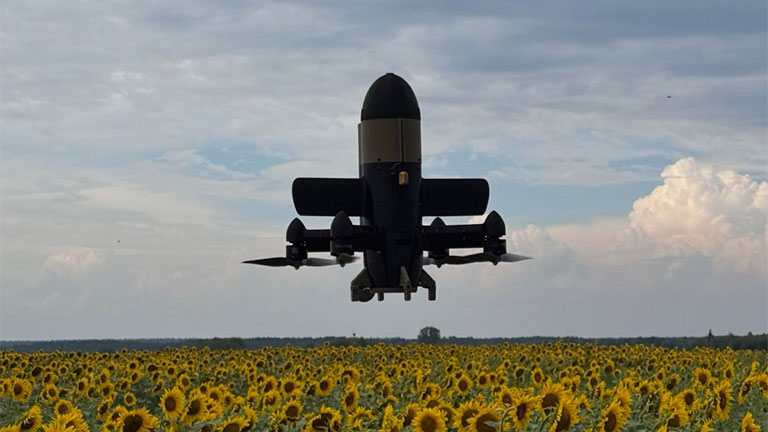
The move points to a new dimension in Kyiv’s wartime diplomacy, as Ukraine seeks to apply battlefield experience gained against Russian and Iranian-designed systems to a wider regional security crisis.
According to Zelenskyy, the United States asked Ukraine for assistance on 5 March, and the Ukrainian team departed the following day. He said Kyiv responded immediately to the request and agreed to send experts without delay.
The deployment comes as the conflict involving Iran spreads beyond its own borders, placing fresh pressure on US positions and allied infrastructure across the region. For Ukraine, the episode highlights how almost four years of defending cities, energy infrastructure and military sites against repeated drone and missile attacks have generated expertise that allies now regard as directly relevant to comparable threats elsewhere.
Kyiv’s experience is especially relevant because Russia has relied extensively on Iranian-designed Shahed drones during its war against Ukraine. In response, Ukrainian engineers, military units and volunteer teams have developed a fast-moving ecosystem of air-defence adaptation, including electronic warfare, mobile fire groups and interceptor drone technology.
The assistance to Jordan also appears to fit a broader Ukrainian diplomatic calculation. The conflict in the Middle East risks diverting international political attention, air-defence stocks and production capacity away from Ukraine at a time when Kyiv remains heavily dependent on Western support. Zelenskyy has warned that escalation in the region could affect the flow of weapons urgently needed by Ukraine, particularly air-defence systems capable of intercepting ballistic missiles.
That concern is central to Kyiv’s message. Zelenskyy has indicated that Ukraine is prepared to share know-how and systems developed under wartime pressure, but must balance foreign requests against its own front-line and homeland-defence needs. Ukraine has discussed the possibility of supplying interceptor drones to partners in the Middle East in exchange for stronger air-defence support, especially systems and missiles better suited to stopping ballistic threats.
Ukraine’s donor-funded answer to Iranian drones is drawing attention far beyond the battlefield
The political aspect is equally important. Zelenskyy has said some states in the Middle East maintain strong relations with Moscow, and that Ukraine hopes regional governments could use those channels in support of a pause in Russian attacks or wider ceasefire efforts. In that sense, Kyiv’s offer of technical help is not only a military contribution but also part of a diplomatic bargain: practical support in return for broader strategic backing.
The reported figures also illustrate the scale of the wider air-defence problem. According to the account attributed to Zelenskyy and European Defence Commissioner Andrius Kubilius, countries in the Middle East fired more than 800 Patriot missiles during the first days of the conflict with Iran in response to more than 2,000 Iranian kamikaze drones and over 500 ballistic missiles. Zelenskyy adviser Dmytro Lytvyn was cited as saying that Ukraine had received around 600 modern Patriot missiles over the whole course of Russia’s war against Ukraine.
The episode is therefore significant beyond the immediate deployment to Jordan. It suggests that Ukraine is no longer only a recipient of military aid, but is increasingly positioning itself as a provider of specialised combat knowledge in areas where Western militaries are now paying close attention. At the same time, it reveals the limits of that role. Kyiv can offer expertise forged under fire, yet it continues to depend on allies for the higher-end missile defence systems required to protect its own skies.

Britain’s Consistent Message on Ukraine Carries Growing Weight at the OSCE