The United Kingdom and France say they are establishing an independent multinational mission to protect merchant shipping in the Strait of Hormuz, in the clearest official signal yet that European powers intend to organise a post-crisis maritime security effort of their own in one of the world’s most sensitive trade corridors.
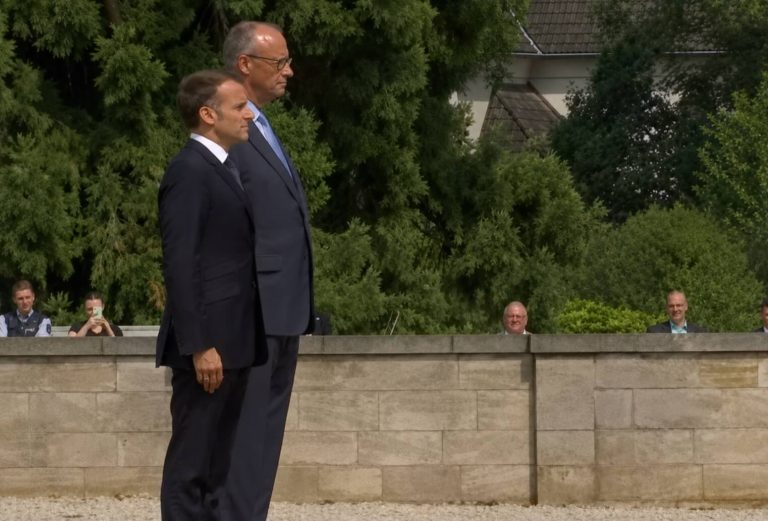
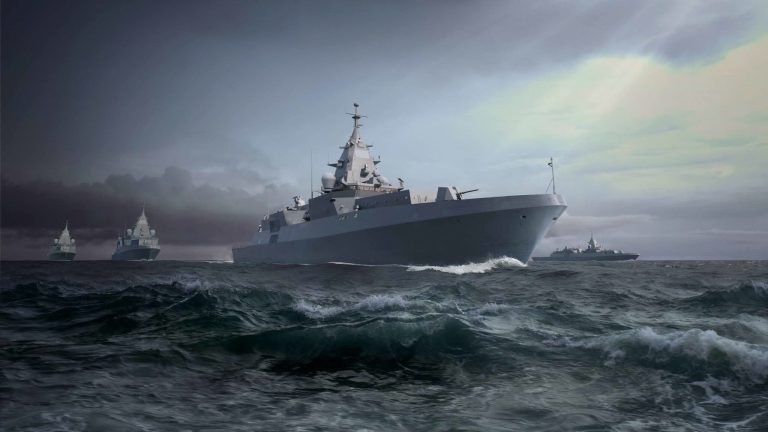
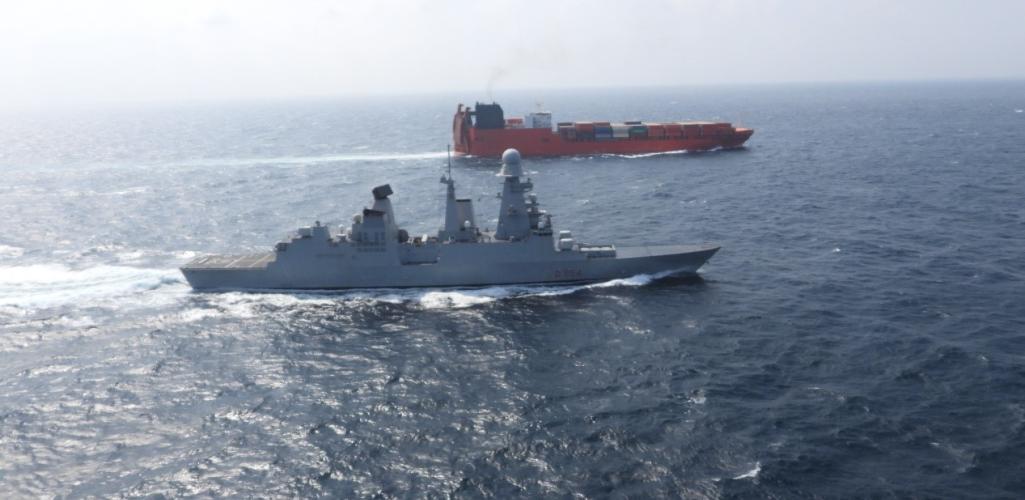
In a joint statement issued after an international summit on 17 April and updated on 19 April, President Emmanuel Macron and Prime Minister Keir Starmer said 51 countries had been convened to discuss freedom of navigation, international law, and the economic consequences of disruption in the strait. The statement said France and the UK had agreed to establish an “independent and strictly defensive multinational mission” to protect merchant vessels, reassure commercial operators and carry out mine-clearance work once conditions permit following a sustainable ceasefire agreement.
The two governments have framed the proposed operation narrowly. According to the official text, the mission is to operate “in full accordance with international law” and in consultation with relevant states. Its stated purpose is not offensive action or coercive enforcement, but the restoration of confidence for commercial shipping and the practical clearing of hazards that could prevent traffic from resuming normally.
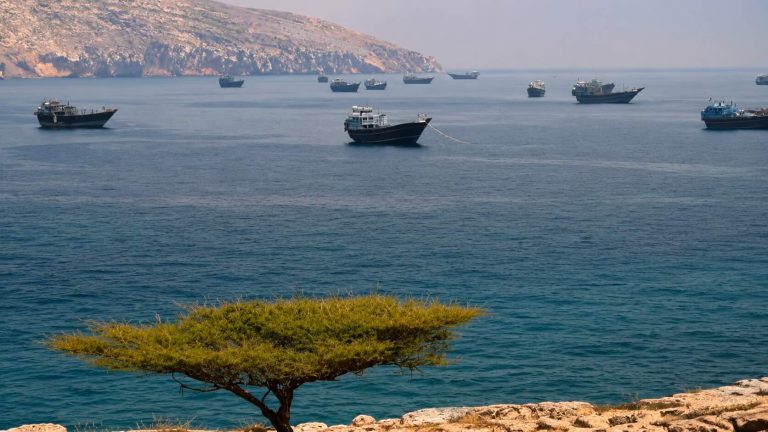
The announcement matters because the Strait of Hormuz remains one of the most important energy chokepoints in the world. The International Energy Agency says an average of 20 million barrels a day of crude oil and oil products passed through the strait in 2025, equal to about 25 per cent of the world’s seaborne oil trade. It also says almost 20 per cent of global LNG trade moved through the same route, with bypass options limited.
That explains the language used by London and Paris. The joint statement linked disruption in the strait directly to energy security, supply chains, economic stability and financial conditions. It also said the participating countries were committed to coordinating economic responses and avoiding protectionist measures. Separately, a Downing Street preview published before the summit said the leaders would discuss not only maritime security but also support for industry and mitigation of wider economic effects.
For now, however, the political decision is ahead of the operational detail. Neither government has yet published the mission’s force composition, command arrangements, rules of engagement or deployment timetable. The official language remains conditional throughout. The mission is to be launched “as soon as conditions permit”, and only after a sustainable ceasefire agreement. That wording suggests London and Paris are trying to prepare a structure that can move quickly if the regional security environment stabilises, while avoiding any suggestion that the mission would become a party to the conflict itself.
There is, however, a next step. The Élysée said a planning meeting would be held in London next week. Downing Street was more specific, saying the follow-up would be a multinational military planning summit at Permanent Joint Headquarters in Northwood. That moves the initiative from political signalling to preliminary military planning, even if the eventual scale of participation is not yet public in official documents.
The summit also placed emphasis on the commercial conditions required to restore normal traffic. The joint statement said governments would continue working with shipping operators, insurers and industry bodies so that vessels can resume operations as soon as conditions allow. The Élysée likewise said the aim was to give insurers and shipowners enough visibility to restart maritime traffic. That is an important point. Reopening a route in formal terms is not the same as restoring traffic in practice if operators still judge the insurance, security or mine-risk environment to be too uncertain.
The initiative therefore has two linked objectives. One is military and technical: escort confidence, hazard reduction and mine-clearance. The other is commercial: creating conditions in which the market judges the route usable again. Both are central to any credible attempt to normalise passage through Hormuz after a period of disruption.
For European governments, the move also carries a wider strategic message. It shows the UK and France positioning themselves as the principal organisers of a defensive maritime response in a crisis that sits outside Europe geographically but affects European economies directly through energy pricing, shipping risk and wider market volatility. What remains unclear is how many countries will ultimately commit assets, what those assets will be, and whether conditions on the ground will allow the mission to move from planning to deployment. Those answers are likely to determine whether the initiative becomes a limited reassurance measure or a more durable European-led security framework for one of the world’s most exposed maritime routes.