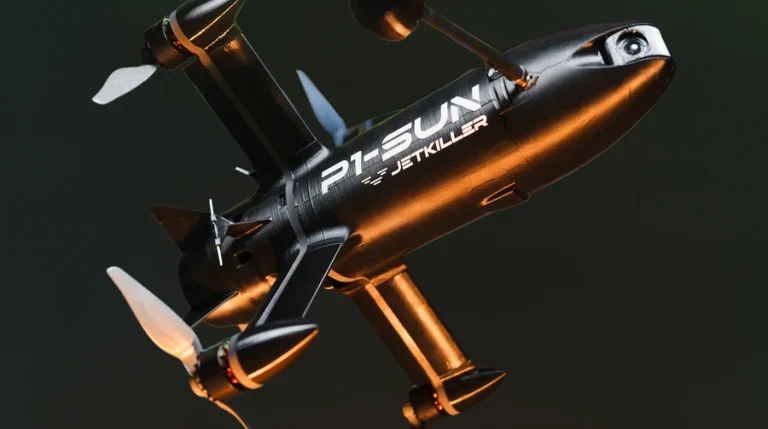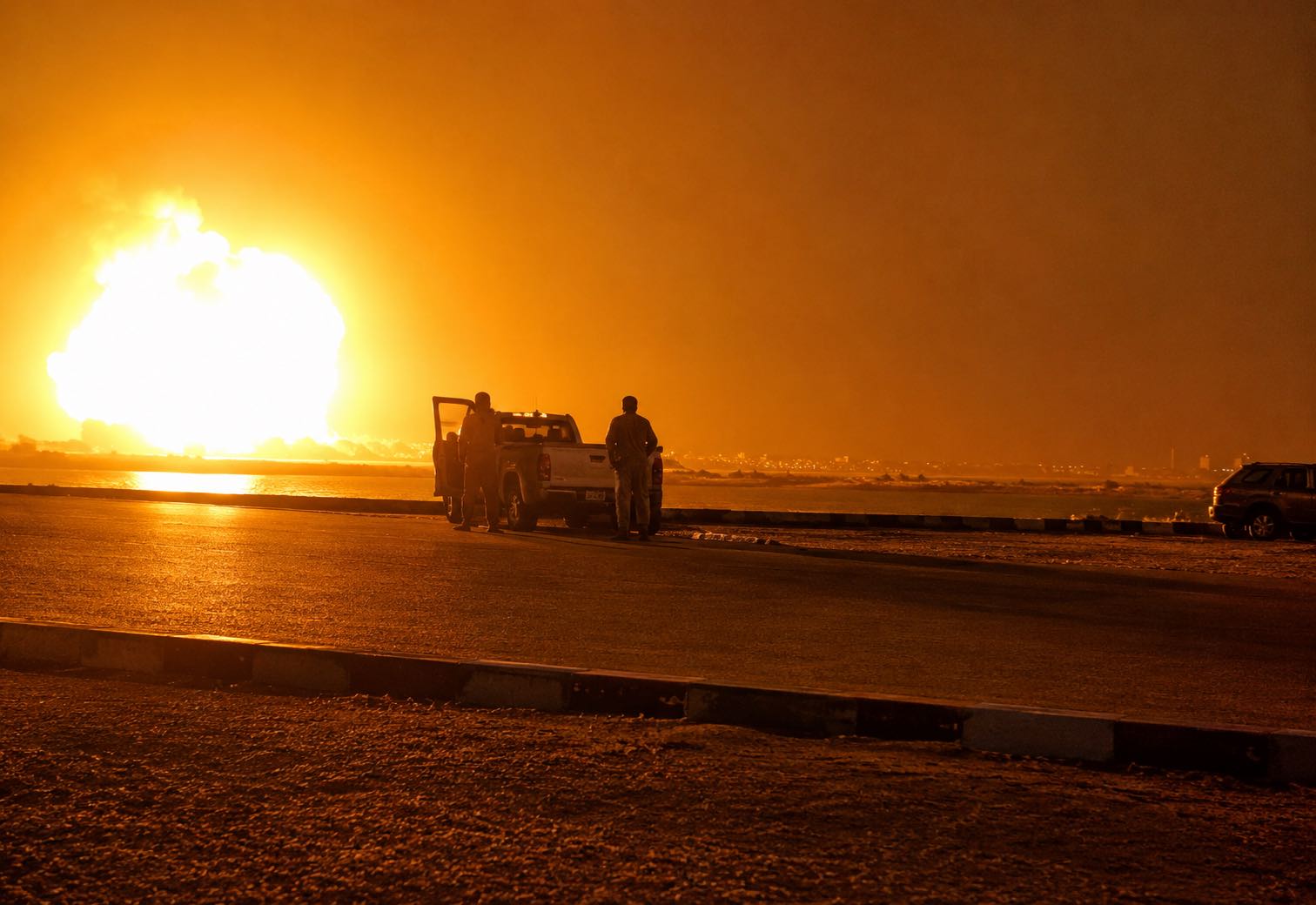
According to US Central Command, American forces shot down four Iranian attack drones that were approaching one of the world’s most strategically important maritime chokepoints before launching what Washington described as defensive strikes against radar facilities located at Goruk and on Qeshm Island along Iran’s southern coastline.
The latest exchange underscores the fragility of ceasefire arrangements that have repeatedly come under strain since the broader conflict involving the United States, Israel and Iran erupted in late February. Despite intermittent diplomatic efforts and several temporary pauses in hostilities, military incidents have continued to occur around the Gulf, raising concerns that a wider regional confrontation remains a tangible risk.
Washington argued that the drones posed an immediate threat to maritime traffic transiting the Strait of Hormuz, through which a substantial share of global oil exports traditionally passes. The waterway has become a focal point of the conflict, with repeated incidents involving commercial shipping, naval patrols and energy infrastructure.
Iran, however, has portrayed its actions as a response to what it describes as increasingly aggressive American operations in the region. Iranian military officials have accused the US Navy of interfering with commercial traffic and intensifying sanctions enforcement efforts through maritime interdictions.
The confrontation quickly broadened beyond the initial drone incident. Iranian authorities reported missile and drone operations targeting American military facilities in the Gulf, while air defence alerts were activated in several neighbouring states. US officials said multiple ballistic missiles were launched, although most were intercepted before reaching their intended targets.
For energy markets, the continuing instability represents a growing concern. Traders have become increasingly sensitive to developments around the Strait of Hormuz, where even limited disruptions can trigger sharp movements in crude oil prices and shipping insurance costs. The conflict has already contributed to elevated energy prices and renewed uncertainty for global supply chains.
The latest flare-up also arrives at a politically difficult moment for Washington. President Donald Trump faces mounting domestic pressure over the economic consequences of the conflict, particularly rising fuel prices and concerns about prolonged military involvement in the Middle East. While the administration continues to emphasise its preference for a negotiated settlement, senior officials have simultaneously signalled a willingness to respond forcefully to perceived threats against shipping and regional security.
Iran, meanwhile, has sought to use ongoing negotiations to secure broader concessions, including access to frozen financial assets and relief from economic sanctions. Yet the latest military exchanges illustrate the challenge facing diplomats attempting to transform temporary pauses in fighting into a durable settlement.
The strategic significance of the current confrontation extends well beyond the Gulf itself. Major energy importers across Europe and Asia remain heavily dependent on uninterrupted maritime traffic through Hormuz. Any sustained disruption could add further inflationary pressure to economies already grappling with elevated energy costs and slower growth.
Security analysts note that both Washington and Tehran appear eager to avoid a full-scale regional war while simultaneously demonstrating resolve. That combination has created a pattern of calibrated retaliation in which each side seeks tactical advantage without crossing thresholds that could trigger a broader conflict.
Whether that balance can be maintained remains uncertain. The latest strikes suggest that despite repeated diplomatic initiatives, the Gulf remains one of the world’s most dangerous geopolitical flashpoints. As military incidents multiply and negotiations struggle to gain momentum, the risk of miscalculation continues to cast a long shadow over global energy markets and regional stability.