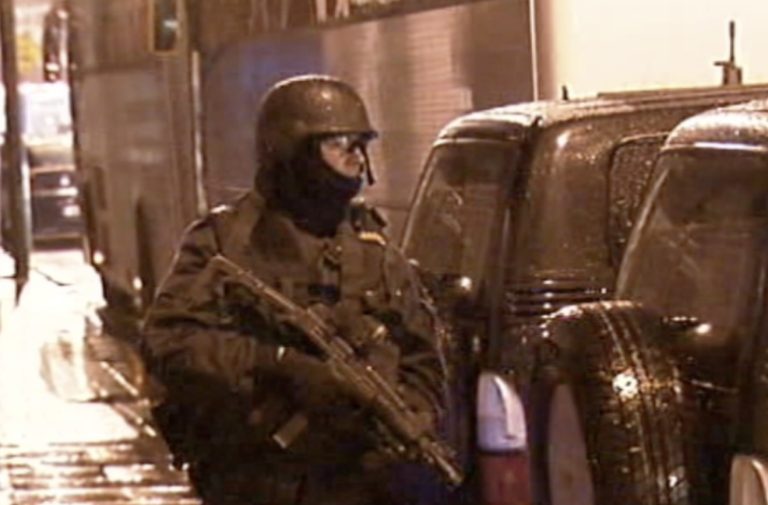
Drone fragments fell on Romanian territory during Russia’s overnight attack on Ukraine, damaging an electricity pole and a household annex in the south-eastern city of Galați, according to Romania’s defence ministry. No casualties were reported.
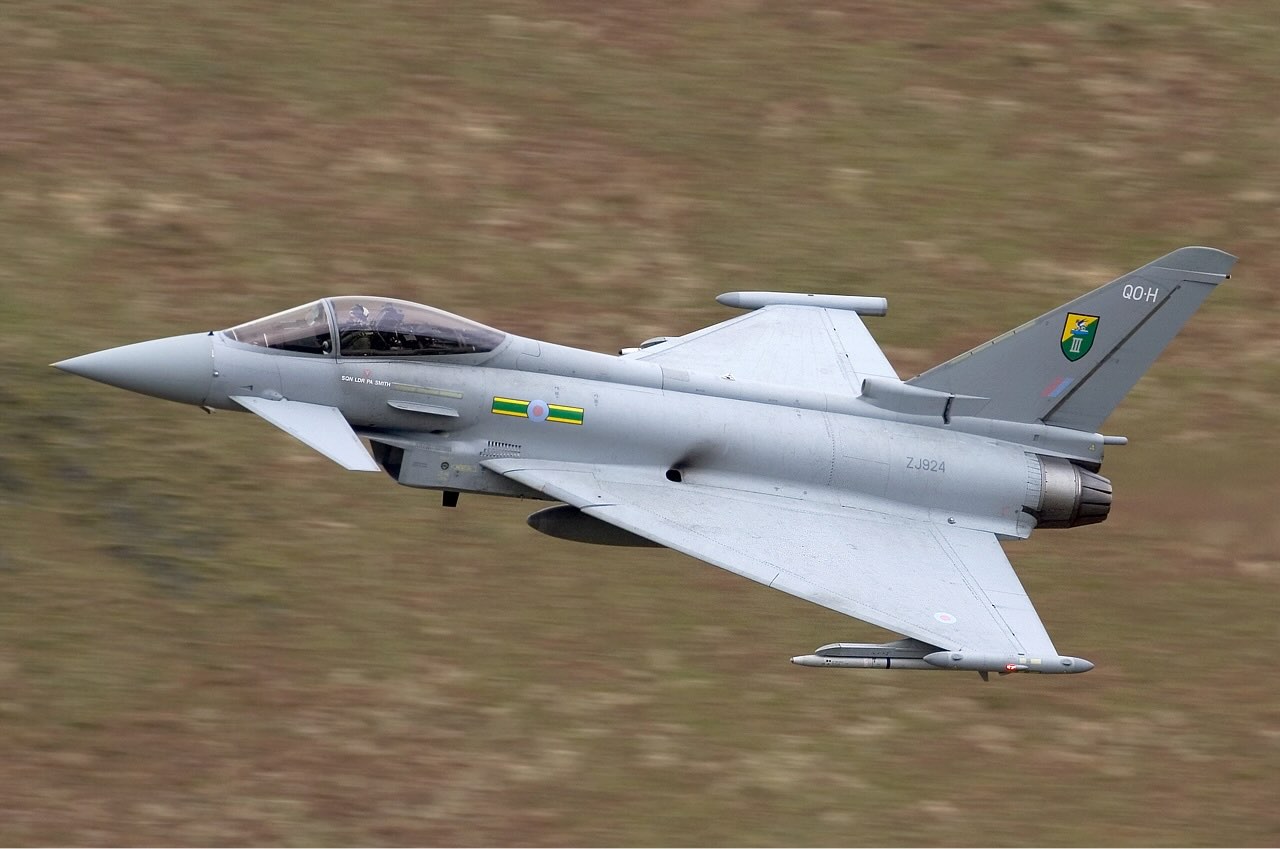
The incident took place on 25 April as Russian forces carried out drone attacks against targets in Ukraine close to the river border with Romania. Romanian military radars detected drones operating near national airspace, while two British Eurofighter Typhoon aircraft assigned to NATO enhanced air policing were scrambled from the Fetești air base.
A Romanian state news agency report said the aircraft took off at 02:00 after drones were detected near the border. Authorities issued a RO-ALERT warning for northern Tulcea county at 02:14, advising residents to take shelter. An emergency call was later made at 02:31 after drone fragments were reported in the Bariera Traian area of Galați.
The defence ministry said the fragments damaged an outbuilding and an electricity pole. Emergency services were deployed to the area, with authorities treating the debris as potentially dangerous until it could be removed and secured.
Romania, an EU and NATO member, shares a long border with Ukraine and has repeatedly reported drone debris on its territory since Russia intensified attacks against Ukrainian port and infrastructure targets along the Danube. The latest incident is significant because it involved confirmed property damage inside Romania, rather than debris found in open or isolated areas.
The episode came during a wider Russian strike on Ukraine, in which Moscow launched 47 missiles and 619 drones, according to Ukrainian air force figures. Ukraine said it intercepted or suppressed most of the incoming targets, but strikes still caused casualties and damage in several regions, including Dnipro, Chernihiv and Odesa.
For NATO, the Romanian incident is a reminder that Russian attacks on Ukraine’s Danube region carry direct risks for allied territory. The immediate response remained defensive and measured: air policing aircraft were deployed, civilians were warned, and debris was handled by emergency teams. There was no confirmed report of a deliberate strike on Romania.
The military problem is nevertheless clear. Long-range drone attacks near borders increase the chance of fragments, navigation failures or airspace breaches affecting neighbouring states. Romania has been strengthening its counter-drone posture, while NATO has maintained air-policing deployments in the region.
The incident does not by itself change the strategic balance on the eastern flank. It does, however, show how repeated Russian strikes near the Danube keep NATO territory exposed to practical, recurring security risks.