Russia launched a large-scale overnight missile and drone attack against Ukraine on 25 April, using 47 missiles and 619 drones, according to figures released by Ukraine’s air force. Ukrainian air defences said they destroyed or suppressed 610 aerial targets, including 30 missiles and 580 drones.
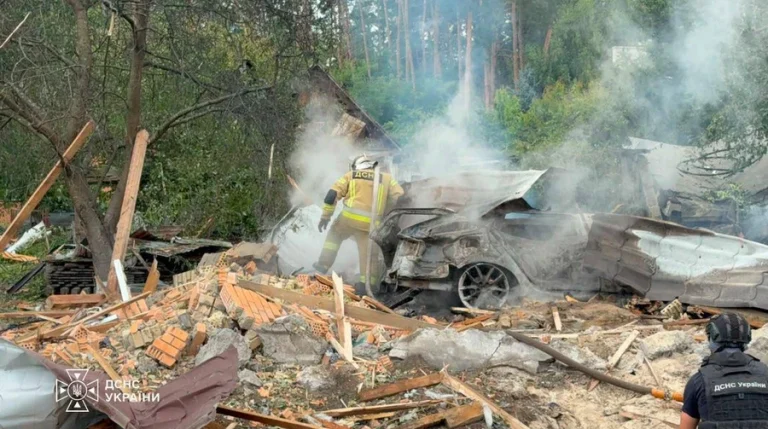
The attack was directed primarily at Dnipro, while Kharkiv, Chernihiv, Sumy, Odesa and Kyiv regions were also struck. The Ukrainian air force said Russia used 12 Iskander-M or S-400 ballistic missiles, 29 Kh-101 cruise missiles, one Iskander-K cruise missile, five Kalibr cruise missiles and 619 unmanned aerial vehicles. Preliminary data cited by Ukrainian officials recorded impacts from 13 missiles and 36 drones at 23 locations, with debris from intercepted targets falling at nine sites.
The scale of the attack underlined the continuing pressure on Ukraine’s air-defence network. Although the reported interception rate was high, the number of missiles and drones launched in a single night again demonstrated Russia’s ability to combine ballistic missiles, cruise missiles and one-way attack drones in an attempt to saturate Ukrainian defences.
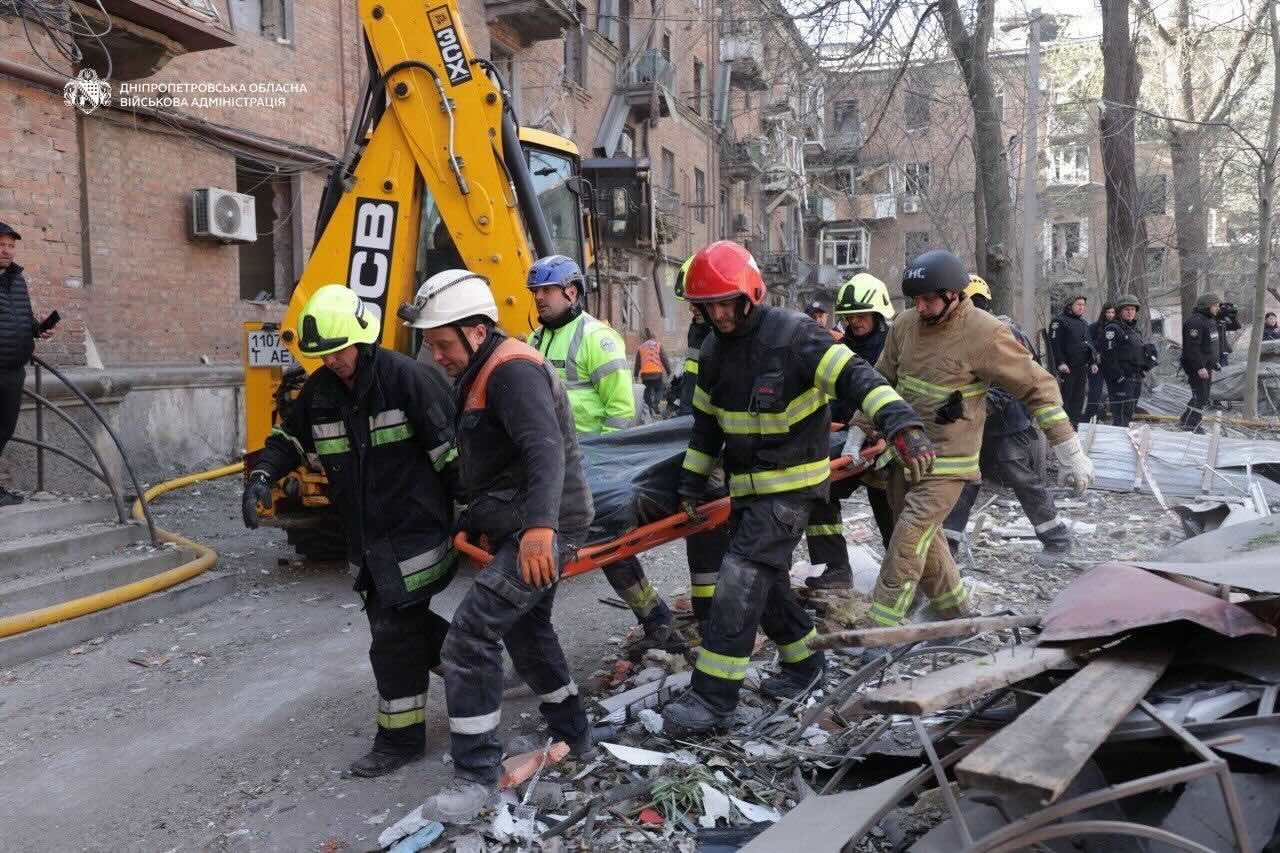
Casualties and damage were reported in several regions. In Dnipro, local authorities said a four-storey residential building and an industrial infrastructure facility were hit. Rescue operations continued after the strike, with reports of people trapped under rubble. Updated casualty figures varied during the morning as emergency services continued their work, but current reporting indicated that at least four people had been killed and more than 30 wounded.
The attack came after repeated Ukrainian warnings that Russia is adapting its strike packages to exhaust interceptors and identify gaps in coverage. Ballistic missiles remain a particular challenge because only a limited number of systems can reliably counter them. Cruise missiles and drones, meanwhile, force Ukraine to maintain a layered defence using aircraft, ground-based air-defence systems, mobile fire groups, electronic warfare and interceptor drones.
President Volodymyr Zelenskyy said after the strike that Ukraine needed stronger international support for air defence. His appeal follows earlier Ukrainian calls for Europe to develop more capable anti-ballistic missile defences and to reduce dependence on limited stocks of high-end systems. The issue has become more pressing as missile and drone attacks remain a central part of Russia’s campaign against Ukrainian cities, infrastructure and industrial targets.
For European defence planners, the attack is significant for two reasons. First, it shows that Ukraine’s immediate requirement is not limited to a small number of prestige systems. A sustainable response requires interceptors, radars, electronic warfare, command-and-control integration, repair capacity and a supply chain able to replenish ammunition at pace. Secondly, it reinforces the wider European question of whether current air-defence production can match the volume of modern strike warfare.
Ukraine has increasingly developed its own lower-cost counter-drone capabilities, including interceptor drones and electronic warfare systems. Those systems can reduce pressure on more expensive missile interceptors when used against one-way attack drones. However, ballistic and cruise missile threats still require advanced systems and reliable ammunition supply. The latest attack suggests that Ukraine will continue to need both domestic innovation and external support.
The operational lesson is not that Ukraine’s air defence failed. On the figures released by its air force, most incoming targets were intercepted or suppressed. The problem is cumulative: each large attack consumes ammunition, imposes strain on crews and exposes civilians to any weapon that passes through the defensive screen. Even a small percentage of successful strikes can produce serious damage when the total number of incoming targets is high.
The strike also has implications beyond Ukraine. European states are now examining their own air-defence gaps, including protection of ports, power infrastructure, military logistics hubs and border regions. Russia’s use of large mixed salvos against Ukraine provides a practical model of the threat European militaries may have to plan against in a broader crisis.
For Kyiv, the immediate requirement remains clear: more interceptors, more launchers, more radars and faster resupply. For Europe, the latest barrage is another indication that air and missile defence is no longer a narrow specialist capability. It is becoming a central test of national resilience, industrial capacity and allied readiness.