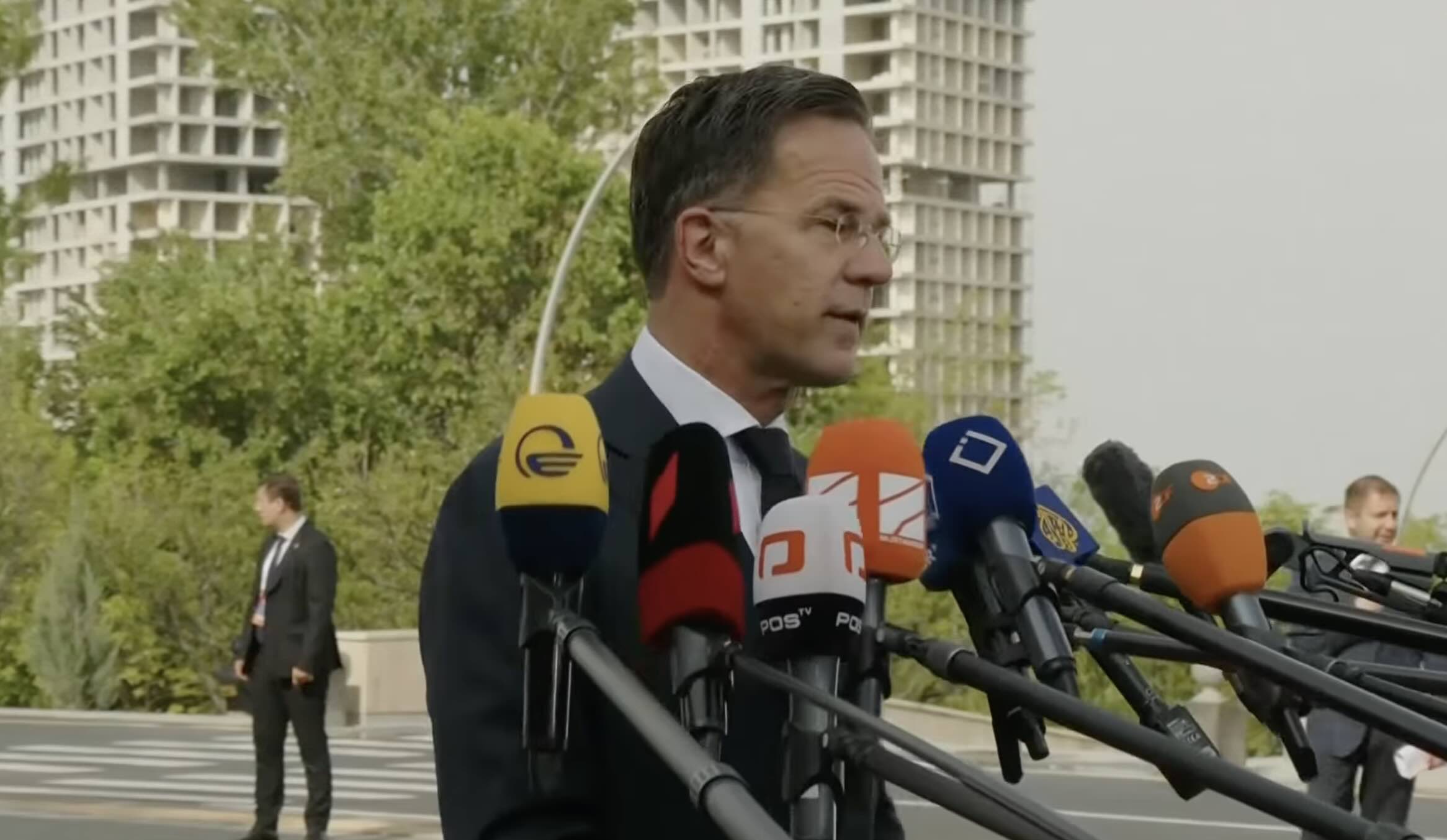
NATO Secretary General Mark Rutte is taking part in the eighth meeting of the European Political Community in Yerevan, placing the Alliance’s defence priorities within a broader forum of European and partner-state diplomacy.
The NATO advisory confirmed that Rutte would visit the Armenian capital on Monday, 4 May, to participate in the summit. It also stated that he would hold multiple bilateral meetings with leaders present at the event, including Armenian Prime Minister Nikol Pashinyan, and would deliver a doorstep statement on arrival.
The summit, hosted in Armenia, brings together leaders from across the continent under the theme “Building the Future: Unity and Stability in Europe”. According to the European Council programme, the meeting is intended to address closer cooperation on democratic resilience, connectivity, economic security and energy security.
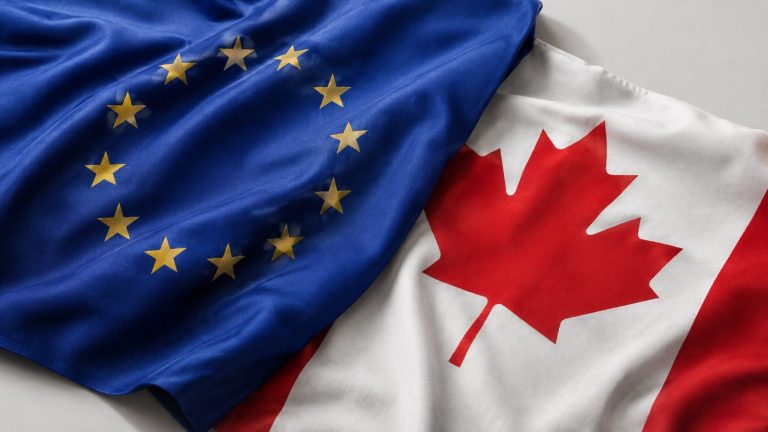
While the European Political Community is not a defence organisation, Rutte’s presence gives the Yerevan meeting a clear security dimension. The format includes EU and non-EU European states, as well as Canada as a guest participant, creating a wider political setting than either NATO or EU meetings alone. That matters because Europe’s defence debate is no longer confined to Alliance structures or EU institutions. It now cuts across industrial capacity, transport corridors, energy resilience, cyber preparedness, ammunition production, sanctions enforcement and support for Ukraine.
The Yerevan summit takes place as European governments continue to confront the practical consequences of Russia’s war against Ukraine. NATO’s formal role remains collective defence, but the political pressure on European states extends beyond deterrence. Governments are being pushed to align spending commitments, industrial production and military support with the scale of the threat environment described by allied leaders over the past two years.
The summit programme shows an agenda structured around plenary sessions, bilateral and multilateral meetings, roundtable discussions and press statements. The most significant defence-related value may come from the margins rather than the formal sessions. Bilateral meetings allow leaders to raise capability gaps, support for Ukraine, defence-industrial coordination and regional security concerns without requiring the summit to produce a NATO-style communiqué.
Armenia’s role as host also gives the meeting a regional context. The South Caucasus sits at the intersection of European, Russian, Turkish, Iranian and wider Eurasian interests. For NATO, whose direct institutional footprint in the region is limited compared with its eastern flank, participation in such a forum offers an opportunity to engage partners and allies in a setting that links security with wider political and economic resilience.
For European capitals, the defence burden question remains central. It is not only a matter of budget levels. The issue is whether spending decisions produce usable capability: air defence, long-range fires, drones, electronic warfare, secure logistics, stockpiles, resilient infrastructure and deployable forces. These priorities require coordination between national governments, NATO planning structures, EU instruments and industry.
The European Political Community’s loose structure may make it less decisive than NATO ministerials or EU summits, but it has practical value as a political meeting ground. It brings together countries that do not all belong to the same institutions but share exposure to the same security pressures. That includes EU member states, NATO allies outside the EU, candidate countries, partners in the Western Balkans and states in the eastern neighbourhood.
Rutte’s participation therefore carries a wider message: European security is being discussed across overlapping formats, not through a single institutional channel. That reflects the current defence environment. Military readiness depends on NATO planning, but also on EU regulatory decisions, national procurement, cross-border infrastructure, private-sector production and political willingness to sustain support for Ukraine.
The outcome of the Yerevan meeting is unlikely to be measured by a single defence announcement. Its significance lies in whether leaders use the gathering to align positions before more formal NATO and EU decisions later in the year. In that sense, the summit is part of a wider European defence cycle rather than a stand-alone event.