NATO is seeking further details from Washington after the United States announced plans to withdraw about 5,000 troops from Germany, a move that has unsettled allies and reopened the debate over Europe’s dependence on American forces.
The withdrawal was confirmed in current reporting on the US troop drawdown from Germany, which said the move would take place over the next six to 12 months and followed a review of the American force posture in Europe.
The decision comes at a sensitive point for NATO. European governments have already been under pressure to increase defence spending, expand industrial capacity and take greater responsibility for deterrence on the continent. A US troop reduction in Germany gives that debate a sharper practical edge.
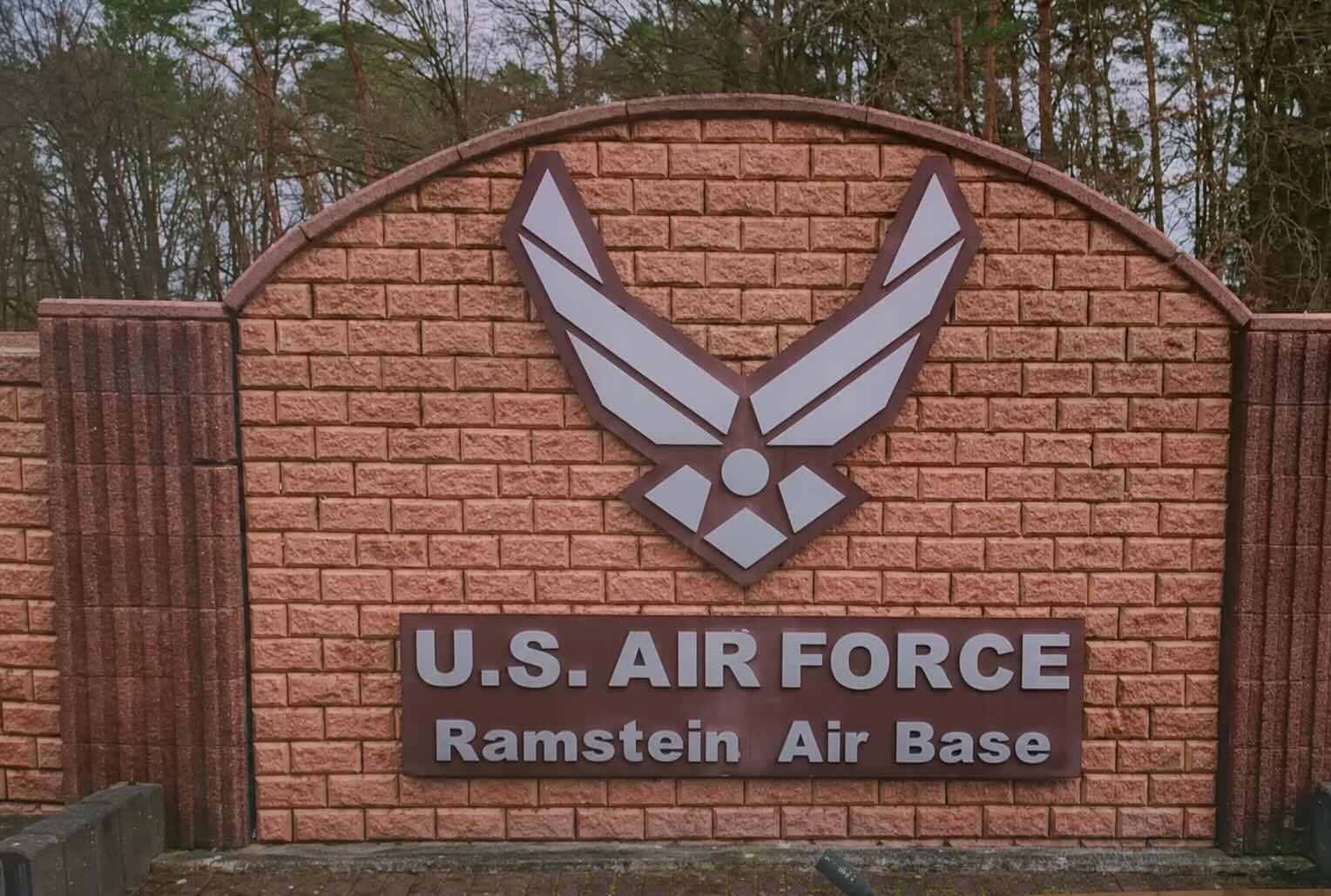
Germany remains one of the most important locations for the American military presence in Europe. US bases there support logistics, command functions, air operations, medical evacuation, training and the movement of personnel and equipment. Germany is not simply a host country for deployed troops; it is a central node in the military infrastructure that links North America, Europe, the Middle East and support for Ukraine.
That is why the withdrawal matters beyond the headline figure. A reduction of 5,000 troops would not by itself remove the US military presence from Germany. But it may affect readiness, planning assumptions and the balance of forces available for reinforcement, particularly if the drawdown is part of a broader change in American priorities.
NATO’s immediate response has been cautious. The alliance said it was working with the United States to understand the details of the decision on force posture in Germany. That includes which units are affected, whether the troops will leave Europe entirely, whether any will be redeployed further east, and how the withdrawal fits with NATO’s regional defence plans.
The distinction is important. Moving troops from Germany to Poland, Romania or the Baltic region would be a different strategic signal from sending them back to the United States. The first would represent a shift towards NATO’s eastern flank. The second would suggest a narrower American footprint in Europe.
Senior Republican lawmakers in Washington have also raised concerns. In a joint statement from the US congressional armed services committees, they said the United States should maintain a strong deterrent in Europe by moving the 5,000 forces east rather than withdrawing them from the continent altogether.
That reaction matters because it shows that the issue is not only a dispute between Washington and European capitals. It is also a question inside the US system about how far force posture changes should be coordinated with Congress and allies.
Germany has responded by presenting the decision as a further argument for stronger European defence. Defence Minister Boris Pistorius said the US troop drawdown should spur Europe to take more responsibility for its own security. That message is familiar, but the withdrawal gives it concrete weight.
The European defence debate has often been framed in terms of spending targets, procurement plans and industrial output. Troop posture is more immediate. If the US reduces or relocates units, European states must consider what capabilities they can provide themselves: air defence, long-range fires, logistics, ammunition stocks, deployable brigades and command capacity.
The cancellation of a planned long-range fires battalion in Germany may be particularly significant. Long-range precision strike has become central to NATO planning after Russia’s full-scale invasion of Ukraine demonstrated the importance of deep fires, drones, missile defence and the ability to disrupt enemy logistics before they reach the front.
For NATO’s eastern members, the question will be whether the withdrawal weakens deterrence or can be turned into a more forward-leaning deployment model. Several eastern allies have invested heavily in infrastructure to host US and allied troops. They are likely to argue that any force leaving Germany should be moved closer to the alliance’s most exposed border areas, rather than removed from Europe.
For Berlin, the issue is more complex. Germany has sought to strengthen its own defence posture, but it still relies on US military infrastructure for the wider NATO framework. A reduction in American troops may increase pressure on Germany to accelerate capability plans, including readiness, ammunition production, air defence and support for allied reinforcement.
The decision also lands amid wider transatlantic tension. Current reporting on the US decision to reduce troops in Germany linked the move to strain between Washington and European allies over Iran, tariffs and wider security policy. Those political pressures make it harder to treat the withdrawal as a purely technical force-posture adjustment.
The practical effect will depend on implementation. A gradual drawdown over six to 12 months allows time for allied consultation, but it also leaves uncertainty. NATO planners will need to know whether affected capabilities are being replaced, relocated or removed entirely.
The episode points to a broader reality. Europe can no longer assume that US force levels will remain static, even in the middle of Russia’s war against Ukraine. American military support remains central to NATO, but the politics around that support are becoming more conditional and more contested.
For Europe, the conclusion is not that the US is leaving NATO. It is that European governments have less room to delay decisions on defence capability. The withdrawal from Germany may be limited in scale, but it is a warning that force posture, not only defence spending, is now part of the transatlantic argument.