Russia launched another series of overnight attacks on Ukraine, targeting Odesa, Dnipro, Zaporizhzhia and Kherson regions and renewing pressure on Ukraine’s stretched air-defence system.
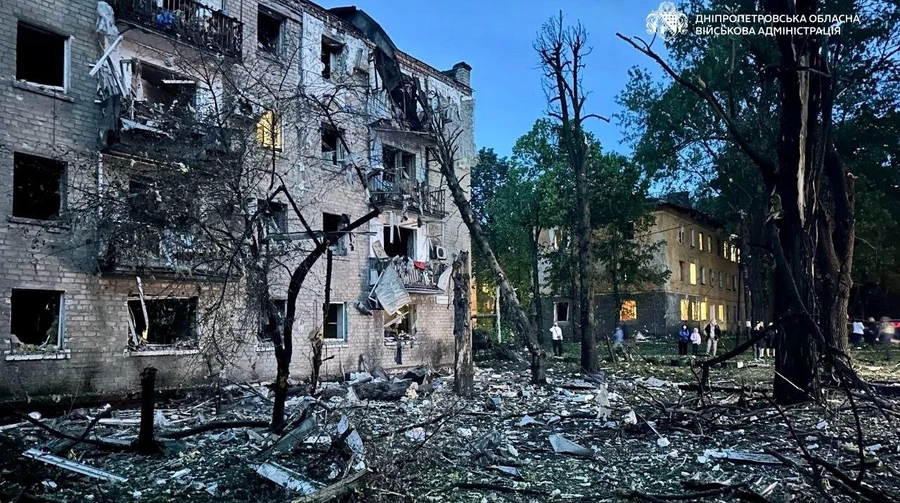
According to current reporting on the overnight strikes, the attacks killed one person and injured more than 30. Ukrainian officials said drones hit residential buildings, a school and a kindergarten in Odesa, while Dnipro was struck by missiles. The reported casualties included children.
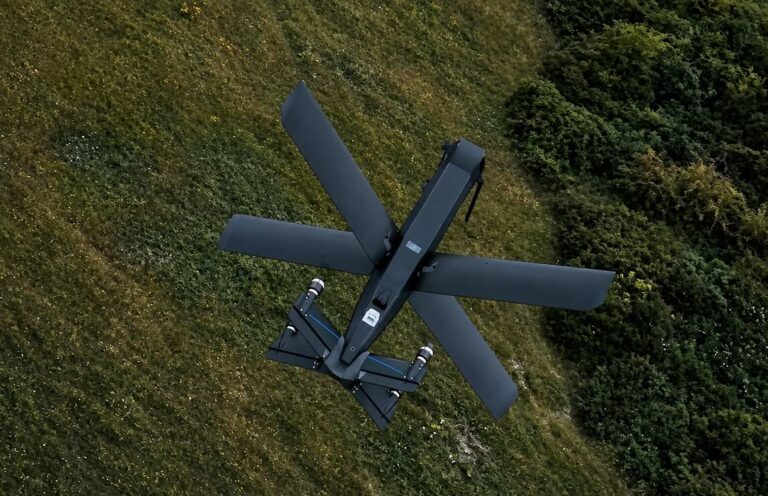
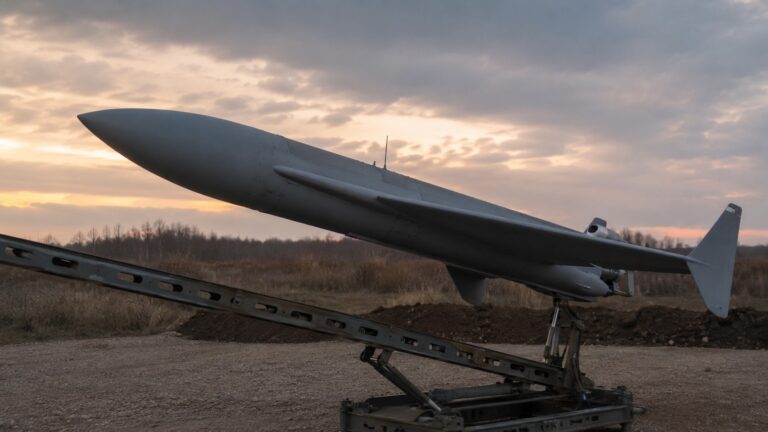
The Ukrainian Air Force said Russia used hundreds of drones and more than 20 missiles in a wider combined attack overnight into 18 May. A Ukrainian operational update said air defences downed 503 drones and four missiles, while strikes were still recorded across several regions.
The figures point to the central problem facing Kyiv. Ukraine’s air defences are able to intercept large numbers of incoming targets, but Russia’s repeated use of mass drone salvos, missiles and regional shelling creates gaps that can still produce civilian casualties and infrastructure damage. Even successful interception rates do not remove the burden on radar coverage, mobile fire teams, interceptor missiles and command-and-control systems.
The latest strikes followed several days of intensified long-range attacks on both sides. Russia has continued to hit Ukrainian cities, while Ukraine has expanded drone operations against targets inside Russia. A separate account of the wider escalation said Russian forces had launched a large overnight aerial assault on eight Ukrainian regions, with Dnipro and its surrounding area among the hardest hit.
For Ukraine, the operational challenge is not simply the number of drones or missiles used in a single night. It is the cumulative effect of repeated attacks across a wide geographical area. Odesa, Dnipro, Zaporizhzhia and Kherson present different defence problems, from Black Sea approaches and port infrastructure to industrial zones, residential districts and front-line-adjacent communities.
Russia’s strike pattern continues to force Ukraine to defend cities, power infrastructure, ports, logistics hubs and military-relevant facilities at the same time. That requires a layered network: long-range systems for ballistic and cruise missiles, medium-range systems for aircraft and some missile threats, short-range systems for drones, and mobile groups able to respond quickly to Shahed-type attacks.
The pressure is made worse by cost imbalance. Russia can launch large numbers of relatively cheap drones to exhaust Ukrainian defences, reveal firing positions and force Kyiv to spend more expensive interceptors. Ukraine has adapted by using electronic warfare, mobile air-defence teams and lower-cost anti-drone measures, but mass attacks still require a large and sustained supply of munitions.
This is why the question of Western air-defence support remains central. Ukraine has repeatedly asked allies for additional Patriot systems, interceptor missiles and other air-defence assets. The practical issue is not only the transfer of high-profile systems, but the speed and reliability of ammunition supply. Air defence is not a one-off delivery. It is a continuous logistics requirement.
European states face the same problem in their own planning. The war has shown that modern air defence must be able to cope with mixed attacks involving drones, cruise missiles, ballistic missiles and decoys. It has also shown that stockpiles can be consumed quickly. For NATO members, especially those on the eastern flank, Ukraine’s experience is now part of the assessment of what European air-defence capacity must look like in practice.
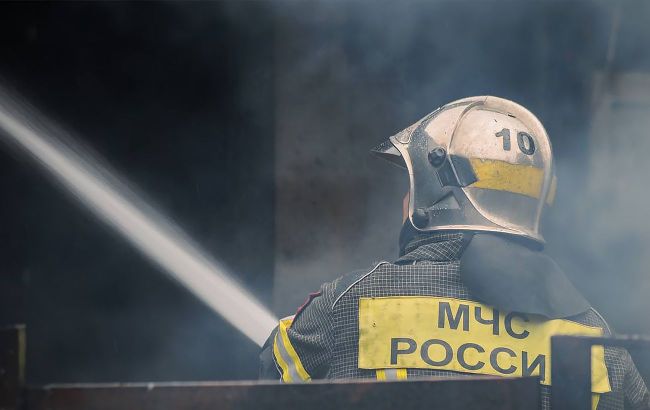
The overnight attacks also came after Ukraine carried out one of its largest drone operations against Russia in more than a year. Russian officials said several people were killed, including in the Moscow region, after Ukrainian drones targeted multiple regions. Ukraine has described its long-range strikes as a response to Russia’s attacks and as a way of putting pressure on military and energy-related infrastructure inside Russia.
That does not alter the immediate civilian impact inside Ukraine. Residential buildings, schools and other civilian sites continue to be hit during Russian attacks. Moscow denies intentionally targeting civilians, while Ukraine says Russia’s repeated strikes on cities show a deliberate campaign to terrorise the population and degrade national resilience. Independent verification of every battlefield claim remains limited, but the pattern of repeated strikes on urban areas is well documented.
The immediate military lesson is clear. Ukraine can blunt large attacks, but it cannot rely on interception numbers alone. Each night of strikes tests readiness, ammunition supply, sensor coverage and the ability to protect multiple regions at once. For Kyiv’s European partners, the same lesson should shape policy: air defence is no longer a supporting category of military aid. It is one of the main conditions for Ukraine’s survival, its economic functioning and any credible future security settlement.