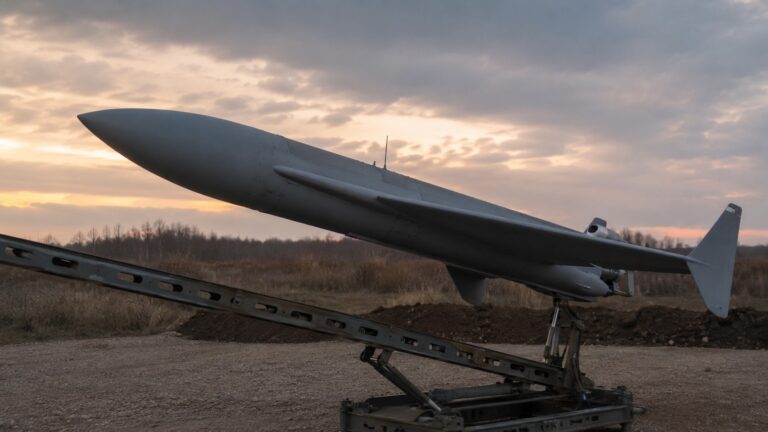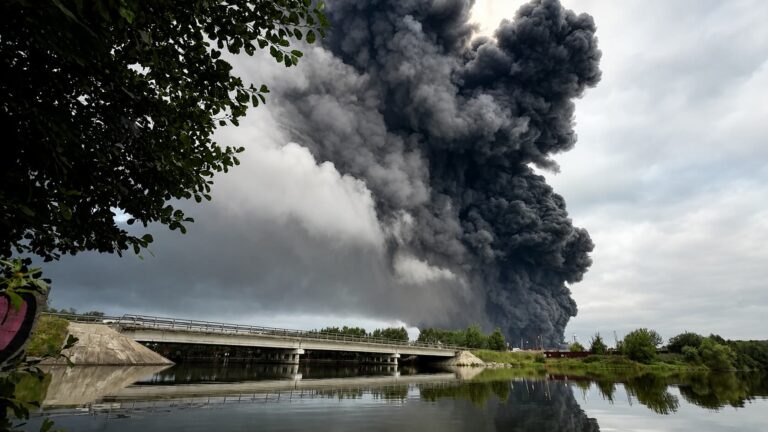
Hundreds of Ukrainian drones penetrated deep into Russian territory in what Russian officials themselves described as the largest assault on the capital region in more than a year. At least four people were reported dead, airports were disrupted, oil infrastructure was struck and panic spread across areas long sold to Russians as untouchable sanctuaries from the war.
For all Vladimir Putin’s boasts about inexhaustible strength, the reality is that Ukraine is steadily demonstrating something Russia no longer possesses in abundance: adaptability.
This latest barrage was not merely symbolic. It was evidence that Ukraine, backed by Western technology, intelligence and industrial support, is becoming increasingly sophisticated in the way it wages war. Russia may still possess larger reserves of manpower and missiles, but quantity is no substitute for competence. The Kremlin’s military machine now resembles an exhausted empire trying desperately to maintain the illusion of momentum.
The sheer scale of the Ukrainian drone operation was remarkable. Russian authorities claimed to have intercepted more than 550 drones overnight, while Moscow’s mayor admitted that the capital itself had come under sustained pressure. Residential buildings were damaged, refinery facilities were targeted and debris reportedly fell on Sheremetyevo Airport.
The important point is not whether every Ukrainian drone reached its intended target. Modern warfare is increasingly about saturation, disruption and psychological effect. By forcing Russia to defend its skies night after night, Ukraine is imposing enormous economic and military costs upon a state already straining under sanctions, inflation and catastrophic wartime spending.
Meanwhile, Kyiv continues to survive under conditions that would have broken many nations years ago.
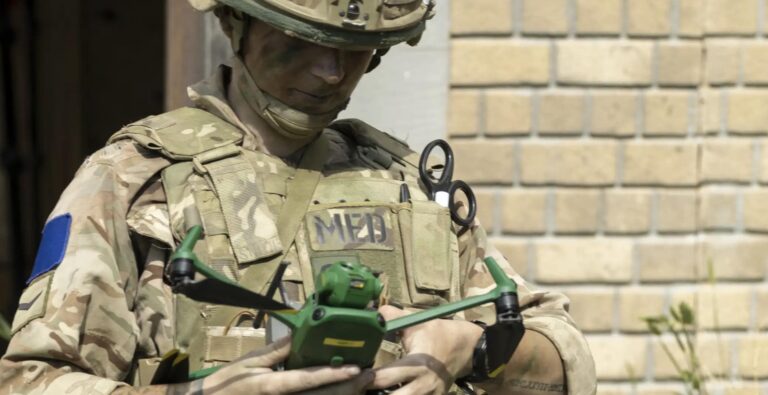
That resilience matters. Russia entered this war believing Ukraine would collapse within weeks. Instead, Ukraine has evolved into one of the most battle-hardened and technologically innovative military powers in Europe. Drone warfare, electronic counter-measures and long-range precision strikes have transformed the battlefield. Crucially, Ukraine has achieved much of this while Russia’s military leadership remains shackled to corruption, fear and Soviet-era rigidity.
The contrast between the two systems could scarcely be clearer.
Ukraine’s armed forces reward initiative because they have no alternative. Russian commanders, by comparison, continue to operate in a culture where failure is hidden, truth is dangerous and political loyalty matters more than battlefield reality. The consequences have become impossible to disguise. Russia still advances in places through sheer mass and attrition, but at staggering human and material cost.
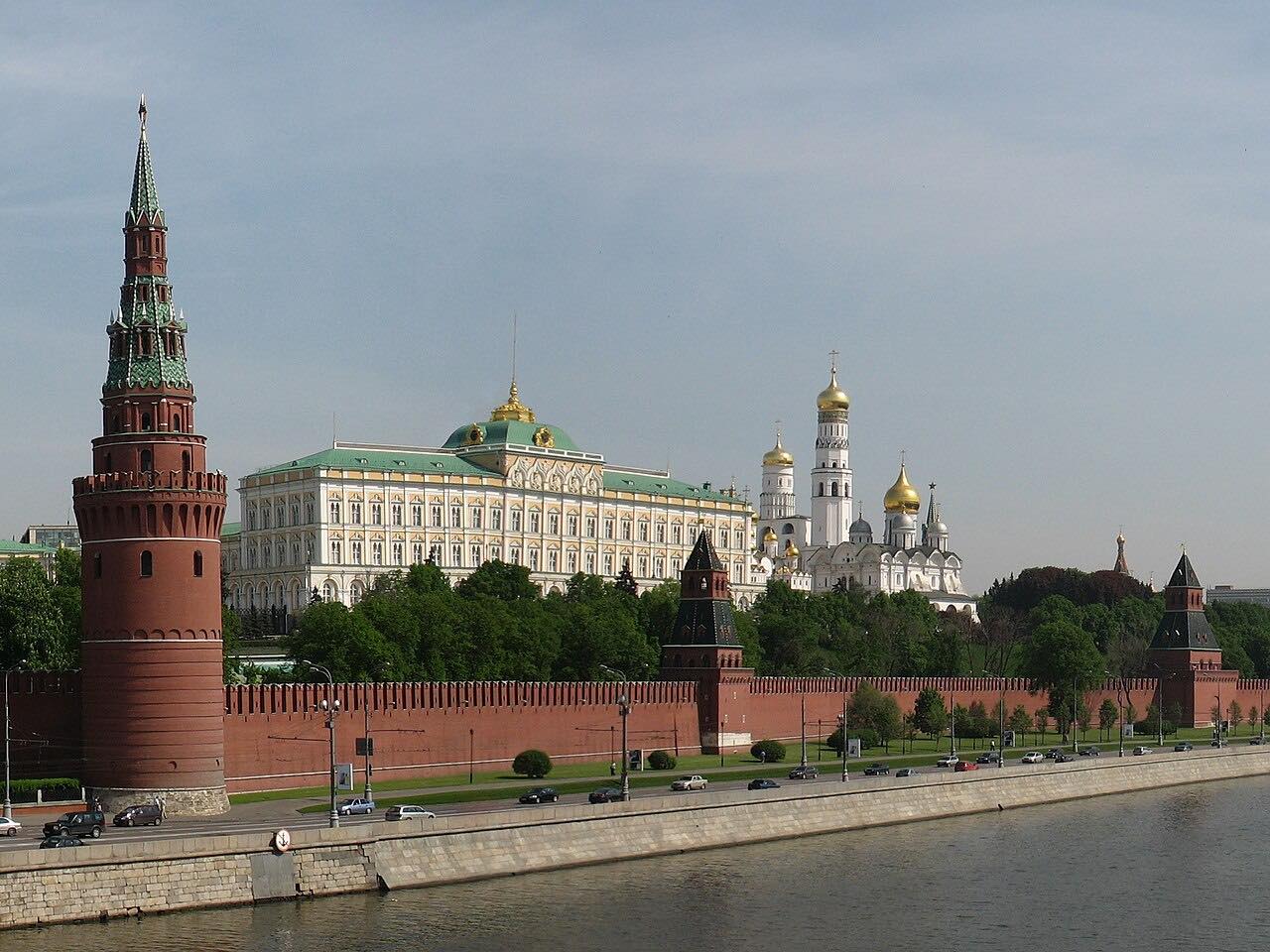
Even more revealing is the Kremlin’s increasing obsession with controlling information at home. Moscow authorities recently imposed tighter restrictions on publishing images of drone strikes and their aftermath. That is not the behaviour of a confident state. It is the behaviour of a government deeply anxious that ordinary Russians may begin to understand that the war is no longer a distant operation conducted somewhere beyond the horizon.
For years Putin cultivated the image of the strongman who restored Russian stability after the chaos of the 1990s. Yet today Russians are witnessing air raid warnings around their capital, burning fuel depots and repeated attacks on strategic infrastructure. Ukraine is steadily bringing the war to Russia in ways the Kremlin cannot entirely prevent.
Western support has been decisive in enabling this transformation. Despite endless predictions of “Ukraine fatigue”, military aid continues to flow from Europe and North America. Advanced air defence systems, satellite intelligence, training programmes and industrial partnerships have allowed Kyiv not merely to endure, but to modernise while fighting a full-scale war.
That is an extraordinary achievement.
Russia, by contrast, increasingly resembles a nation cannibalising its future to sustain the present. Defence spending consumes vast portions of the state budget. Casualty figures continue to mount. Sanctions have weakened access to advanced technology. Skilled workers have fled abroad. Even Russia’s once-formidable energy sector is proving vulnerable to repeated Ukrainian strikes on refineries and export infrastructure.
The Kremlin still possesses the capacity to inflict terrible destruction upon Ukraine. Nobody should underestimate that. Russian missile and drone attacks continue to kill civilians and devastate cities across the country. Only days ago, Russia launched another major aerial assault on Kyiv and western Ukraine.
But wars are not decided solely by firepower. They are decided by endurance, innovation, leadership and morale.
On those measures, Ukraine increasingly appears the stronger side.
There is a historical irony here. Putin launched this invasion believing that democracies were weak, divided and decadent. Instead, Western unity — however imperfect — has helped create a Ukrainian war machine capable of striking the Russian heartland with growing precision and frequency.
Russia’s leadership, meanwhile, appears trapped by its own propaganda. Having promised inevitable victory, it cannot easily retreat, compromise or admit failure. The result is strategic paralysis: a grinding war of attrition that drains Russian strength while Ukraine grows sharper, smarter and more resilient.
The drone attacks over Moscow are not the final chapter of this conflict. Far from it. But they are another reminder that the Kremlin’s aura of invulnerability has been shattered.
And once fear begins to fade, empires tend to weaken very quickly indeed.
Ukrainian drones reach the Urals as Russia’s air defence gaps come under scrutiny