Russia’s Foreign Intelligence Service has accused Ukraine of preparing drone attacks against Russian targets from Latvian territory, in a claim that Riga has rejected as disinformation and which has raised fresh concerns over Moscow’s handling of incidents along NATO’s eastern flank.
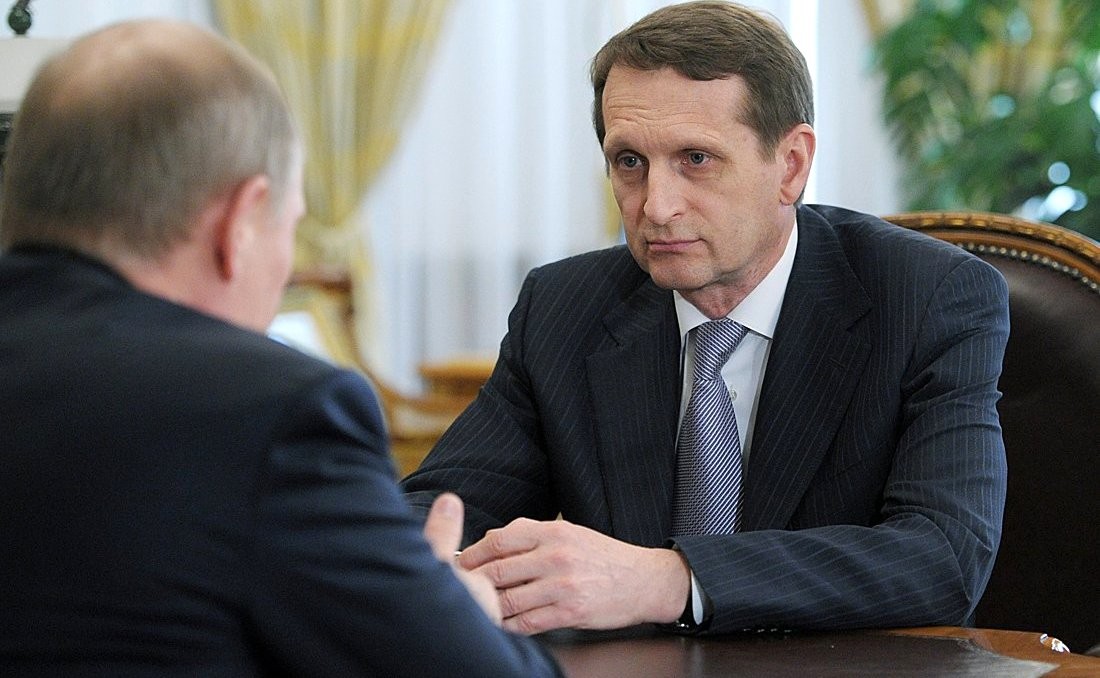
The allegation, issued by the service headed by Sergei Naryshkin, claimed that Ukrainian drone units had been deployed to Latvian military sites and were preparing attacks on Russia. It also warned that Latvia’s NATO membership would not protect those whom Moscow described as accomplices. Latvian Foreign Minister Baiba Braže rejected the charge, saying Latvia does not provide its airspace for attacks on Russia, according to The Moscow Times.
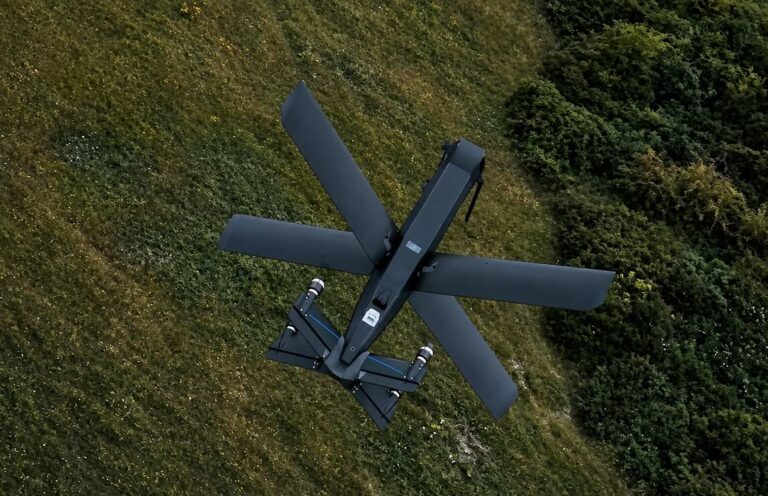
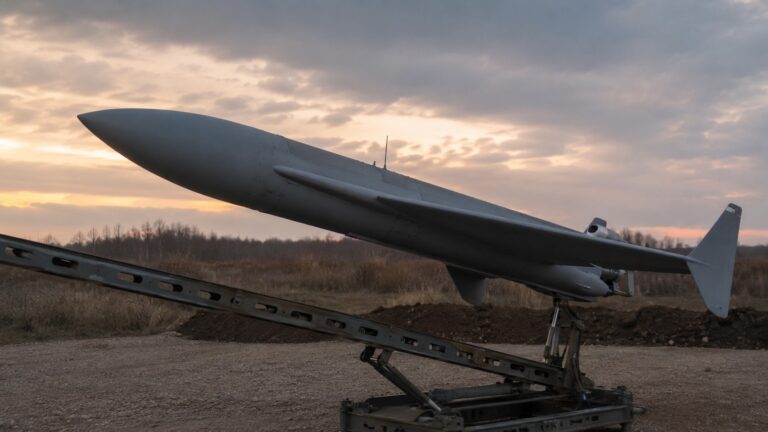
The statement follows a series of drone incidents in the Baltic region linked to Russia’s war against Ukraine. In early May, two suspected Ukrainian drones crossed into Latvian airspace from Russia and crashed in Latvia, one of them exploding at an oil storage facility near Rēzekne. Latvian officials said the drones were likely intended for targets in Russia and had crossed the border by accident. No casualties were reported.
The incident produced immediate political consequences in Riga. Defence Minister Andris Sprūds resigned after Prime Minister Evika Siliņa said anti-drone systems had not been deployed quickly enough. Days later, Siliņa herself announced her resignation after the governing coalition collapsed, leaving Latvia in a caretaker phase months before parliamentary elections.
Latvia’s Prime Minister Resigns After Coalition Breaks Over Drone Incidents
Moscow’s accusation therefore lands at a sensitive moment. Latvia is dealing not only with the technical problem of drones entering its airspace, but also with the domestic political effect of those incursions. The Russian claim that Ukraine is using Latvia as a launch platform appears designed to reverse the direction of responsibility: instead of drones entering Latvia from Russian airspace, Moscow is presenting a narrative in which attacks on Russia could be attributed to NATO territory.
The risk is not that the allegation has been substantiated. No public evidence has been presented to support the claim that Ukraine is launching drone strikes from Latvia. The problem is that such a claim could be used to justify a future Russian response framed as retaliation rather than escalation. By alleging that attacks on Russia are being prepared from Latvian territory, Moscow is creating a narrative in which any subsequent move against Latvia could be presented domestically as defensive, rather than as an attack on a NATO member state.
Similar ambiguity has become a recurring feature of the war’s spillover risks. On Tuesday, a NATO jet shot down a suspected Ukrainian drone over Estonia after it apparently strayed into Estonian airspace. Estonia’s defence minister said the drone was likely headed for Russia and had been diverted off course, adding that Ukraine had no permission to use Estonian airspace.
For NATO, such incidents create a difficult operational and political problem. The Alliance must distinguish between accidents, electronic-warfare effects, deliberate Russian manipulation, and possible attempts to create a pretext for escalation. In the Baltic states, where borders with Russia are close and airspace is narrow, those distinctions may have to be made quickly and under political pressure.
The Russian statement also fits a broader pattern of signalling against NATO’s eastern members. Moscow has repeatedly sought to portray Western military assistance to Ukraine as direct participation in the war. Extending that claim to alleged Ukrainian operations from Latvian territory would mark a more pointed attempt to connect a NATO state to strikes inside Russia.
That does not mean a Russian strike on Latvia is imminent. Any attack on a NATO member would carry major military and diplomatic consequences, including the possibility of consultations under Article 4 or a more serious collective defence response if the Alliance judged that an armed attack had occurred. NATO has already strengthened its eastern flank following airspace violations and other security incidents affecting its members, as set out in its own material on deterrence and defence.
The immediate issue is therefore one of deterrence and information control. Latvia must strengthen detection and interception capacity, while NATO must avoid allowing Moscow to define accidental or manipulated drone incidents as evidence of Allied aggression. At the same time, the Alliance will have to keep signalling that the Baltic states are not a grey zone in which Russia can test thresholds without consequence.
Russia’s claim may not withstand factual scrutiny, but its political purpose is more important than its evidential basis. It seeks to place Latvia under pressure, complicate support for Ukraine, and test whether NATO’s response to ambiguous incidents remains united. In that sense, the episode is less about a single intelligence statement than about the wider contest over escalation, credibility and deterrence on Europe’s north-eastern frontier.