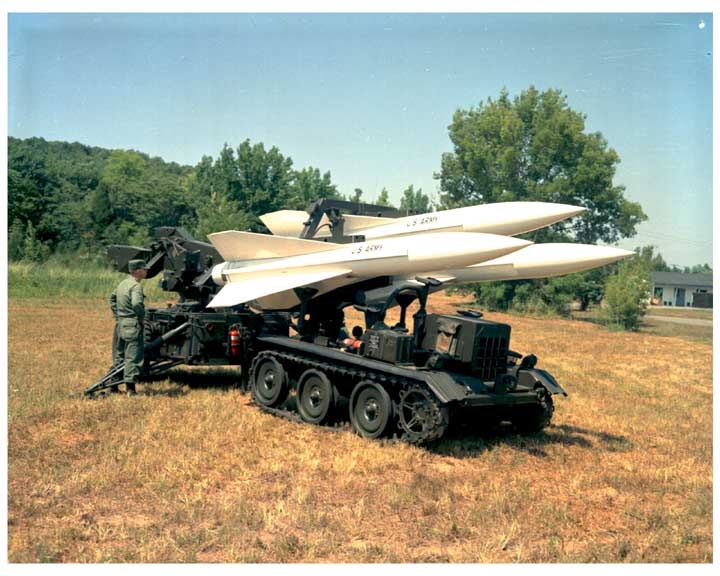
The United States has approved a new military support package for Ukraine centred on sustaining the venerable Hawk missile defence system, reinforcing Washington’s view that even older Western air defence platforms remain highly effective against Russia’s relentless aerial campaign.
The U.S. State Department confirmed on Thursday that it had authorised the potential sale of Hawk missile system sustainment equipment to Ukraine, in a deal valued at an estimated $108.1 million. The package is expected to include maintenance support, spare parts, repairs and logistical assistance intended to keep the system combat-ready as Kyiv faces mounting missile and drone attacks.
The announcement may lack the political theatre that accompanies the delivery of advanced fighter aircraft or next-generation missile batteries, yet defence analysts say the Hawk system has quietly become one of the most dependable layers in Ukraine’s increasingly sophisticated air-defence network.
Originally developed during the Cold War, the Hawk — short for “Homing All the Way Killer” — has undergone repeated modernisation programmes over several decades. Though often overshadowed by the better-known Patriot system, the Hawk has proved particularly valuable in countering cruise missiles, drones and low-flying aerial threats that form the backbone of Russia’s long-range strike strategy.
For Ukraine, the significance of the latest US package lies not merely in the hardware itself, but in ensuring operational continuity. Modern air warfare depends as much on sustainment as on acquisition. Missiles, radar systems and launchers require constant servicing, software support and replacement components if they are to remain effective during prolonged conflict.
Western officials increasingly acknowledge that sustainment has become one of the defining logistical challenges of the war. Ukraine’s armed forces are operating a patchwork of Soviet-era and Nato-standard systems supplied by multiple allies, creating a complex maintenance burden. By focusing on sustainment rather than headline-grabbing new deliveries, Washington is signalling a more mature phase in its military support strategy.
The Hawk system’s battlefield performance has also exceeded many early expectations. Initially viewed by some analysts as an interim solution before more advanced systems could arrive, the platform has instead demonstrated notable resilience and adaptability. Ukrainian operators have reportedly integrated the Hawk into layered defence structures that combine radar coverage, electronic warfare and mobile interception capabilities.
That layered approach has become critical as Russia intensifies attacks on civilian infrastructure, energy facilities and urban centres. Moscow’s strategy increasingly relies on saturating Ukrainian airspace with large volumes of relatively inexpensive drones and cruise missiles designed to exhaust Kyiv’s defences. In that environment, systems such as the Hawk offer an economically efficient interception capability.
Defence specialists note that using ultra-high-end interceptor missiles against cheap drones creates an unsustainable financial imbalance. The Hawk occupies a useful middle ground: sophisticated enough to engage serious threats, yet less costly than top-tier strategic systems.
The latest package also underscores the broader durability of Western military support for Kyiv despite growing political pressures in both Europe and the United States. Debate over long-term aid commitments has intensified in Washington as the conflict grinds into another year. Yet the continued approval of targeted defence packages suggests bipartisan recognition that Ukraine’s air-defence capacity remains central to its survival.
For the US defence industry, the Hawk missile programme has also acquired renewed relevance. Systems once considered near-obsolete have found new operational life amid the realities of modern attritional warfare. Several Nato allies previously held Hawk inventories in reserve storage, allowing components and launch systems to be transferred relatively quickly to Ukraine.
Spain, in particular, has already supplied Hawk launchers and missiles to Kyiv, while the US has helped coordinate sustainment and integration efforts. The result has been the gradual emergence of a multinational air-defence ecosystem designed to deny Russia uncontested use of Ukrainian airspace.
Military planners are watching closely. The war in Ukraine has overturned longstanding assumptions about legacy systems, drone warfare and the economics of air defence. Expensive stealth aircraft and advanced missiles still matter, but the conflict has also demonstrated the enduring importance of robust, adaptable and maintainable defensive infrastructure.
The Hawk’s resurgence offers a striking example. Designed during an earlier era of geopolitical confrontation, it has become newly relevant in a war defined by mass missile attacks and industrial-scale attrition. Its effectiveness lies not in technological glamour but in reliability, interoperability and proven battlefield utility.
For Ukraine, those qualities have become indispensable. As Russia continues its aerial bombardment campaign, the ability to sustain operational air defences may prove just as decisive as acquiring new weapons. The latest US approval therefore represents more than another military transaction. It is part of a broader strategic effort to ensure Ukraine can continue absorbing and repelling attacks over the long term.
In modern warfare, survivability often depends less on spectacular breakthroughs than on dependable systems that continue functioning day after day under pressure. The Hawk missile system, despite its age, appears increasingly to fit that description.
Main Image: Domaine public, https://commons.wikimedia.org/w/index.php?curid=163127