Russia’s latest overnight attack on Ukraine has intensified scrutiny of Moscow’s missile strategy, after Ukrainian officials said the barrage included some of the most advanced weapons in Russia’s arsenal, among them the Oreshnik intermediate-range ballistic missile, Kinzhals, Zircons and Iskanders.
The attack began on the evening of May 23 and continued into May 24, with Kyiv and the surrounding region bearing much of the impact. According to the Ukrainian Air Force figures, Russia launched 90 missiles and 600 drones of various types. Ukrainian air defences reportedly intercepted 55 missiles and 549 drones, while 16 missiles and 51 attack drones reached 54 locations, with debris falling in a further 23 places.
The scale and composition of the strike were notable. Russia’s Defence Ministry said it had used Oreshnik, Iskander, Kinzhal and Zircon missiles in what it described as retaliation for Ukrainian attacks on civilian targets in Russia. Moscow claimed the targets included military command facilities, air bases and defence-industrial sites, according to reports citing Russian state agencies.
Ukrainian and international reporting presented a different picture, with civilian infrastructure, residential areas, schools, a market, a water facility and cultural sites among the locations damaged. The attack killed at least four people and injured dozens more, according to The Guardian’s account of the overnight strikes.
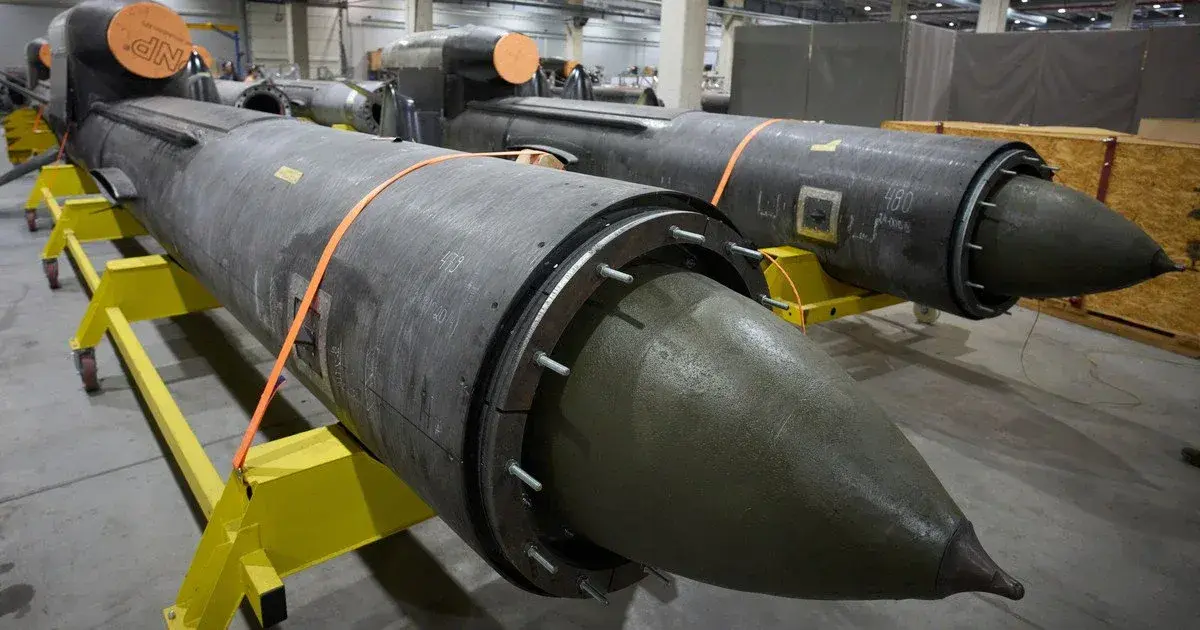
The use of the Oreshnik missile has drawn particular attention. Ukrainian President Volodymyr Zelenskyy confirmed that Russia had used the system during the attack, reportedly for the third time in the war. The missile was said to have struck the area of Bila Tserkva, south of Kyiv, during what Ukrainian reporting described as a large ballistic missile and drone attack.
The military significance of that strike remains unclear. Open-source analysis published after the attack suggested that the Oreshnik may have hit a garage cooperative in the Bila Tserkva district, rather than a major military target. Defence Express argued that Russia may have intended to strike Kyiv but missed by a considerable distance. The same assessment was later summarised by UNN, which reported that the missile hit garages in Bila Tserkva.
That possibility raises questions over both accuracy and purpose. Bila Tserkva has historical aviation infrastructure, including a former Soviet long-range aviation airfield, but its present-day military utility is disputed. The airfield’s condition and the reported impact area make it difficult to assess whether the missile achieved any meaningful military result. If the intended target was Kyiv, the strike would suggest a significant guidance failure. If the intended target was Bila Tserkva, the use of a high-value strategic missile against a limited target would still raise questions about proportionality and operational logic.
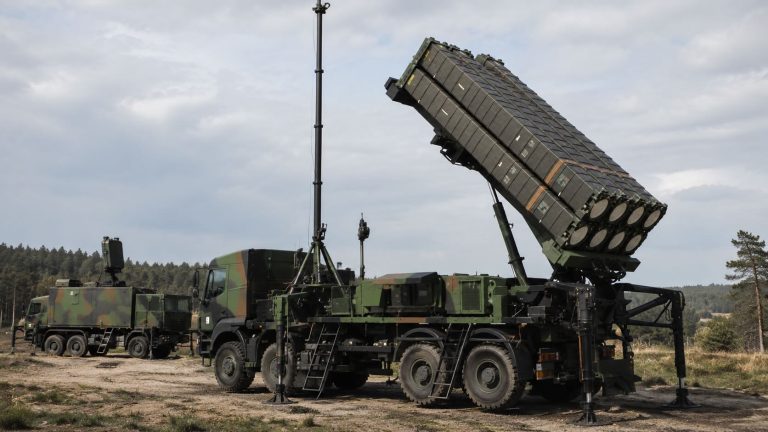
The broader interception figures point to a more complex operational picture. Ukraine appears to have maintained a high interception rate against drones and cruise missiles, but had greater difficulty against ballistic and hypersonic systems. According to the reported Ukrainian figures, 44 of 54 cruise missiles were intercepted, while only part of the ballistic missile salvo was stopped. That gap reflects Ukraine’s continuing requirement for advanced air-defence interceptors, particularly systems capable of countering Iskander-class and hypersonic threats.
Politically, however, the strike may have strengthened Kyiv’s argument for additional Western air-defence support. The use of an intermediate-range ballistic missile, combined with large numbers of drones and conventional missiles, reinforces Ukraine’s position that Russia is not reducing pressure despite continuing diplomatic discussion about possible negotiations.
It also complicates Moscow’s public messaging. Russia has repeatedly framed such attacks as strikes on command centres and defence-industrial facilities. Yet the visible damage in Kyiv and the surrounding region, combined with civilian casualties, allows Ukraine and its partners to present the strike as further evidence of Russia’s willingness to escalate against urban areas.
For European governments, the attack adds to existing concerns over Russia’s missile capacity, long-range strike doctrine and willingness to employ nuclear-capable delivery systems in a conventional role. EU foreign policy chief Kaja Kallas condemned the attack and indicated that the bloc would examine further measures to increase pressure on Moscow, according to The Washington Post.
The use of Oreshnik is therefore significant less for any demonstrated battlefield result than for its political and strategic signal. It shows that Moscow is prepared to employ prestige weapons in an attempt to intimidate Ukraine and its backers. At the same time, the reported impact near Bila Tserkva raises doubts over whether such use delivers a meaningful military advantage.
The immediate consequence is likely to be renewed pressure on Ukraine’s partners to accelerate supplies of air-defence missiles and systems. The longer-term consequence may be a further erosion of confidence in Russia’s stated interest in a negotiated settlement. A strike of this scale, involving advanced ballistic systems and hundreds of drones, suggests that Moscow’s current approach remains one of escalation rather than compromise.