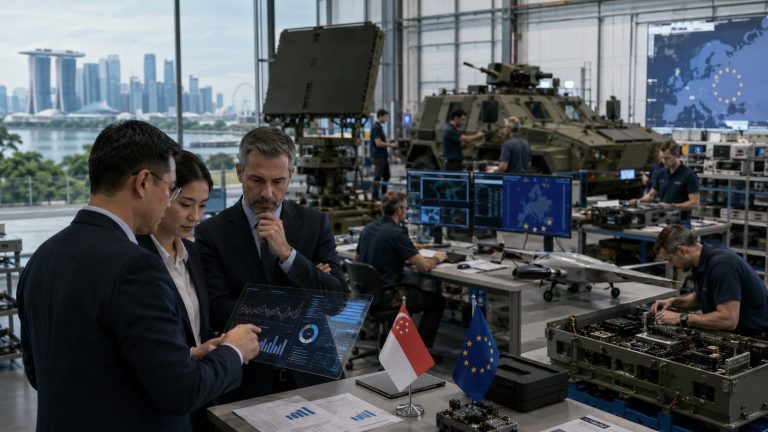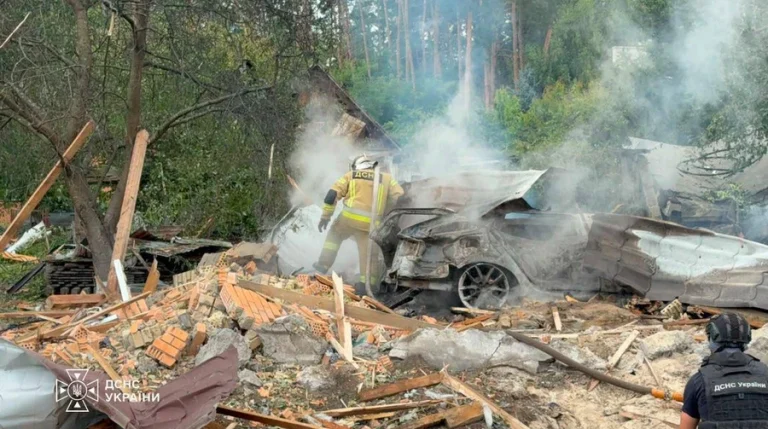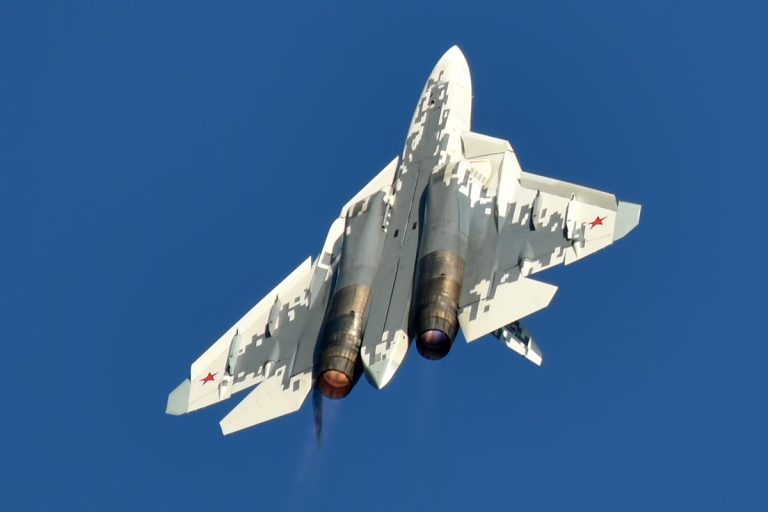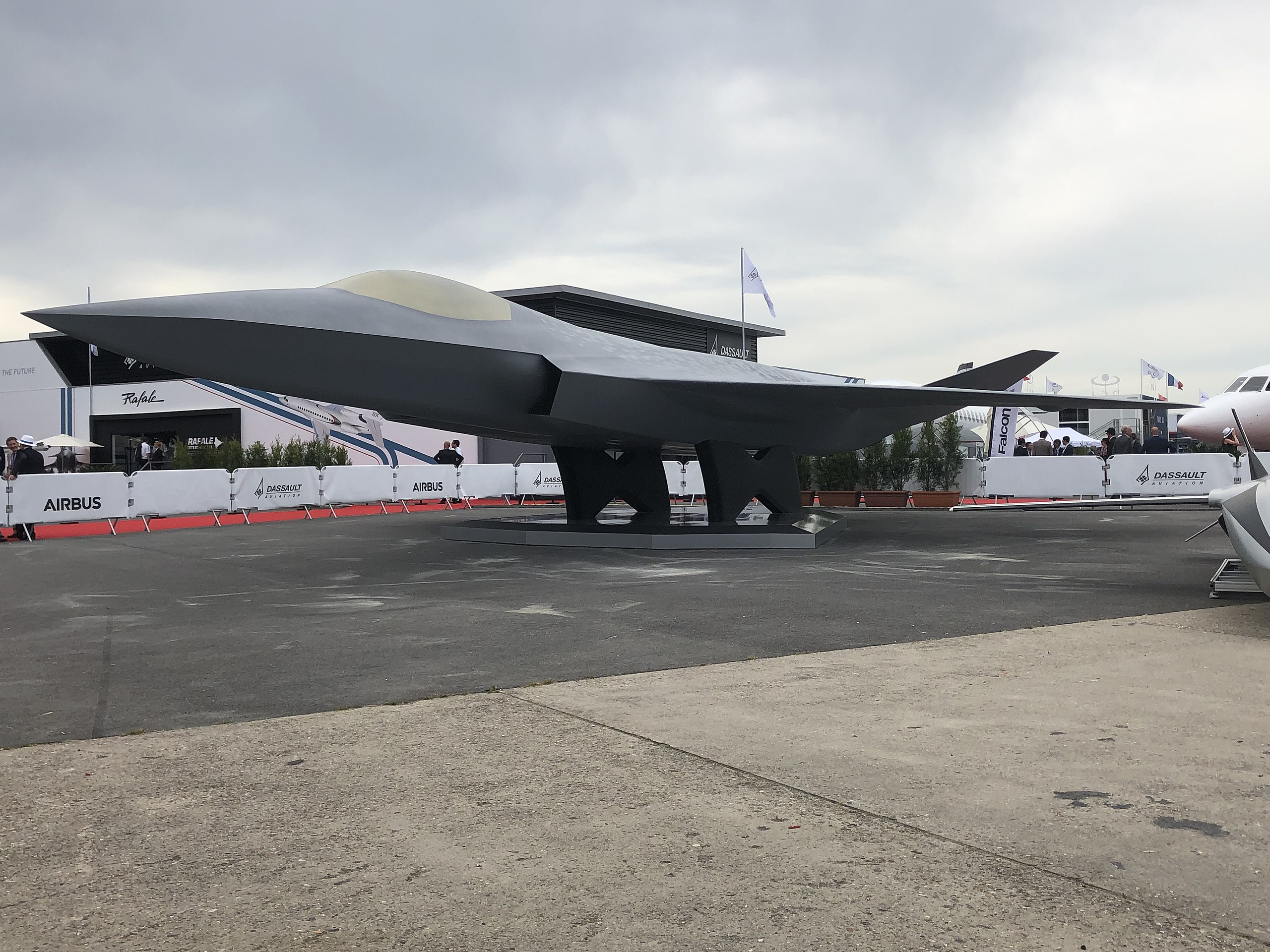
The decision, reached after discussions between German Chancellor Friedrich Merz and French President Emmanuel Macron, marks the collapse of what had been envisaged as the continent’s most ambitious defence-industrial programme. Valued at around €100bn and intended to deliver a sixth-generation fighter aircraft by the 2040s, FCAS was designed not merely as a military project but as a symbol of Europe’s ability to develop advanced defence capabilities independent of the United States.
Instead, it has become a case study in the persistent challenges facing multinational European defence cooperation.
At the heart of the dispute lay a long-running power struggle between France’s aerospace champion, Dassault Aviation, and aerospace group Airbus, which represented German and Spanish interests within the programme. The disagreement centred on leadership of the fighter aircraft component, intellectual property rights and the distribution of industrial work. Despite repeated political interventions, mediators and ministerial negotiations, neither side was willing to compromise sufficiently to move the project forward.
The collapse has been months in the making. Industry insiders had increasingly concluded that the core fighter element of FCAS was unlikely to survive, even as governments sought to preserve the appearance of progress. Earlier attempts to resolve the impasse failed repeatedly, with both companies openly questioning whether a viable partnership remained possible.
The dispute also exposed deeper strategic differences between Paris and Berlin.
France viewed FCAS as the successor to its Rafale fleet and insisted on capabilities that would support its independent nuclear deterrent and aircraft carrier operations. Germany, by contrast, had different operational requirements and was increasingly questioning the necessity of a manned next-generation aircraft at all, particularly as unmanned systems and artificial intelligence reshape modern warfare.
Those divergent priorities ultimately proved impossible to reconcile.
The consequences extend far beyond the cancellation of a single aircraft programme. FCAS was widely regarded as a cornerstone of broader European defence integration at a moment when security concerns are intensifying across the continent. Russia’s continued military threat, uncertainty over long-term American security commitments and growing pressure for Europe to strengthen its own defence capabilities had all added urgency to the project.
Its demise therefore raises uncomfortable questions about Europe’s capacity to translate political ambitions into practical industrial cooperation.
The failure is particularly striking given the programme’s history. Launched in 2017 and later joined by Spain, FCAS was intended to integrate a manned fighter aircraft with advanced drones, sensors and a secure digital battlefield network known as the “combat cloud”. The concept reflected the future direction of air warfare, where information dominance may prove as important as traditional air superiority.
Ironically, while the fighter aircraft itself has been abandoned, several of these supporting technologies may survive. Officials from both countries have indicated that work is likely to continue on the combat cloud architecture and associated drone systems, preserving at least part of the original vision.
Whether those remaining projects can flourish without the flagship aircraft remains uncertain.
For Europe’s defence industry, the FCAS collapse reinforces a familiar pattern. Ambitious multinational programmes often struggle to balance political objectives, industrial interests and military requirements. The continent’s fragmented procurement landscape has long been criticised for generating duplication, inefficiency and delays. FCAS was supposed to demonstrate that Europe had learned from previous failures.
Instead, it has highlighted how difficult genuine defence integration remains.
There may yet be opportunities for new partnerships to emerge. Airbus could seek alternative collaborators, while Germany may increasingly look towards other future combat aircraft initiatives. Yet the demise of FCAS leaves a conspicuous gap in Europe’s long-term aerospace ambitions and serves as a reminder that strategic sovereignty cannot be achieved through political declarations alone. It requires industrial consensus, shared priorities and sustained trust — qualities that proved in short supply throughout the programme’s troubled history.