
Ukraine has reported a new overnight strike on Russian oil infrastructure, keeping pressure on the energy network that helps finance Moscow’s war and supply its military logistics.
Ukraine’s General Staff said on Saturday that Ukrainian forces had hit an oil preparation and pumping station in Russia’s Volgograd region overnight. The facility is significant because such pumping and preparation sites form part of the wider infrastructure that moves crude through Russia’s domestic and export system.
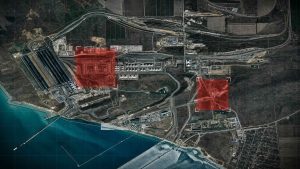
The strike came as Russian officials also reported a Ukrainian drone-related incident in Krasnodar region, where debris sparked a fire at a sea terminal in the village of Volna. Local governor Veniamin Kondratyev said one person was killed and three were injured. Russian media reported that the damaged terminal handled crude oil, petroleum products and liquefied gas.
Ukraine did not immediately confirm responsibility for the Krasnodar terminal fire, but the two incidents fit a broader pattern of Ukrainian strikes against Russian oil, gas and transport infrastructure. Kyiv has increasingly used drones and long-range systems to target refineries, pumping stations, storage sites and export facilities, arguing that these assets sustain Russia’s war economy.
The Volgograd strike is especially important because Ukraine’s campaign has moved beyond symbolic attacks on high-profile sites. Pumping stations, preparation points and supporting infrastructure are less visible than refineries or ports, but they are essential to keeping oil moving. Damage to these nodes can complicate logistics, delay exports and force Russia to divert repair crews and air defences across a large network.
The latest attacks also come amid sustained pressure on Russian supply routes to occupied Crimea. Recent reporting has detailed Ukrainian drone strikes on bridges around Armyansk, Chonhar and Henichesk, key chokepoints linking Crimea with Russian-controlled areas of southern Ukraine. These attacks have disrupted movement and forced Russian occupation authorities to reroute or restrict traffic.
Taken together, the overnight strike on Volgograd and the reported terminal fire in Krasnodar show how Ukraine is pursuing a two-track pressure campaign. One track targets the routes that move troops, ammunition and fuel towards the southern front. The other targets the energy infrastructure that generates revenue and supports Russia’s industrial base.
The military value lies in repetition. A single strike can be repaired. Repeated strikes across multiple regions create uncertainty, raise operating costs and stretch Russia’s ability to protect every critical node. Moscow must decide whether to concentrate air defences around oil sites, ports, bridges, refineries, military factories or frontline logistics.
For Ukraine, this is a way to impose strategic costs without waiting for a major breakthrough at the front. Drones allow Kyiv to reach targets far beyond the line of contact, including energy facilities hundreds of kilometres from Ukrainian-controlled territory.
The immediate damage from the Volgograd strike remains to be independently assessed. Satellite imagery, local reports and further Ukrainian statements may clarify whether the facility suffered temporary disruption or more serious operational damage.
But the direction of the campaign is already clear. Ukraine is not only striking Russian military positions. It is targeting the infrastructure that allows Russia to move, fuel, fund and sustain its war.