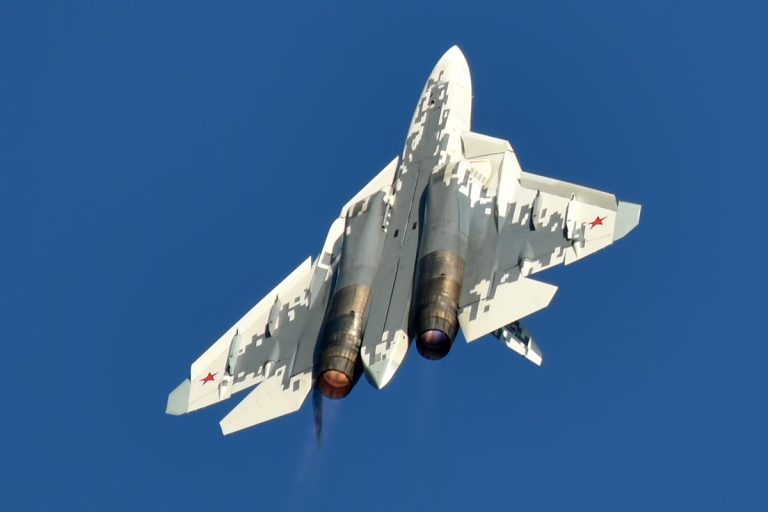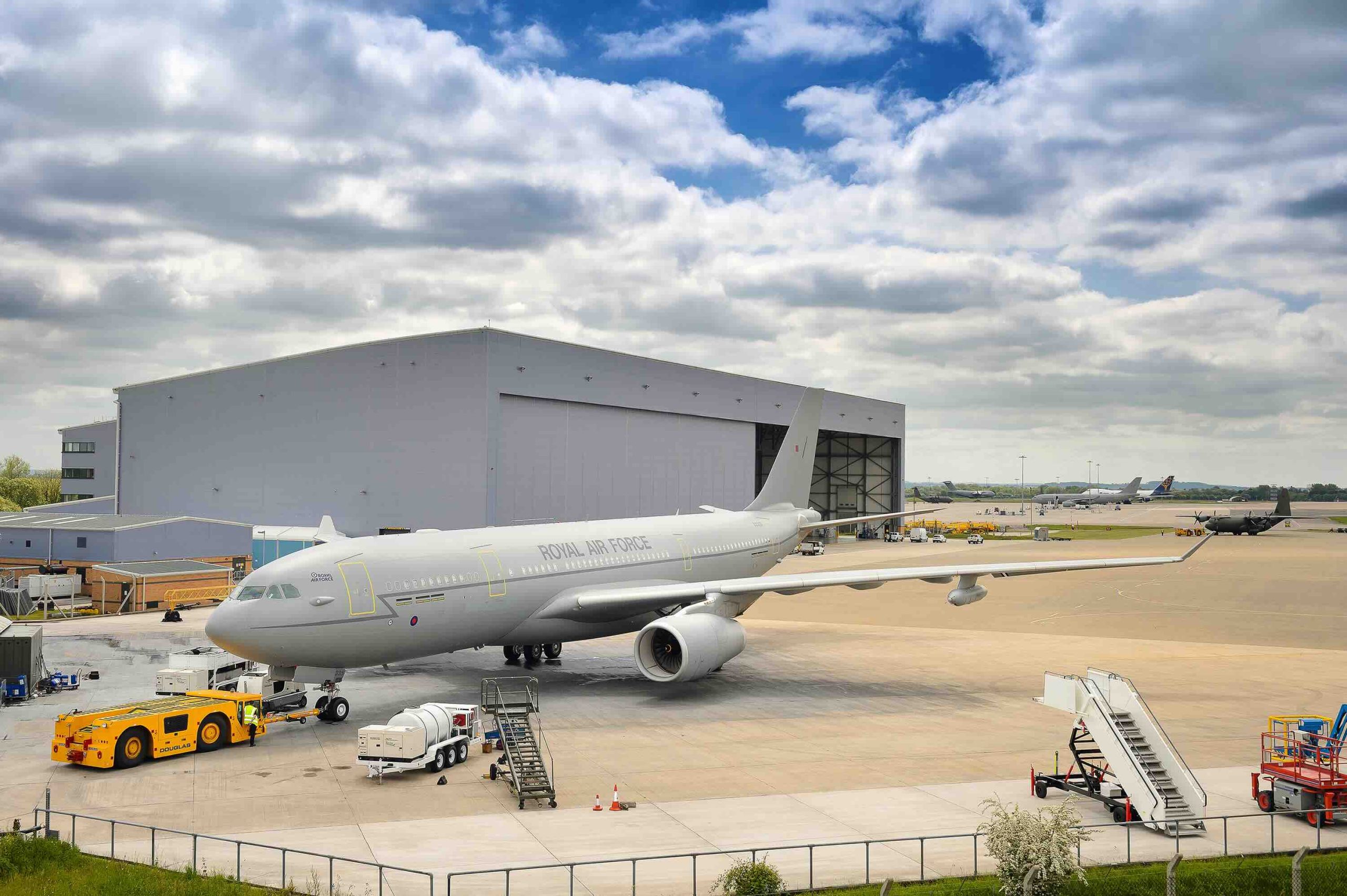
Britain has said its armed forces are ready to defend the country after Iran’s Revolutionary Guards warned against allowing US bombers to operate from British bases. Reuters reported that the UK statement followed a confirmed basing arrangement connected to defensive operations against missile capabilities threatening shipping around the Strait of Hormuz.
The significance is not the reassurance itself. Governments routinely say they are ready to defend national territory. The significance is that Iranian messaging has placed UK bases inside the conflict’s escalation calculations. A European state can support US operations politically, provide facilities technically and still become a possible target symbolically.
Britain’s geography has long made it a strategic rear base for US power. RAF bases have hosted American aircraft, intelligence systems, refuelling assets and command functions across multiple conflicts. That role is valuable because it allows rapid transatlantic reinforcement and supports operations far from British territory. It also creates exposure. If adversaries see those bases as enabling strikes against them, they may threaten retaliation.
Defence Matters has followed the broader Middle East crisis as Iranian missile threats, US operations and attacks on shipping have converged. The UK basing issue narrows the lens to homeland readiness. The question is not whether Britain is directly at war with Iran. It is whether British territory can remain insulated when it enables allied operations.
Iran’s warning may be intended primarily as deterrence messaging. Threatening bases can pressure political leaders, influence public opinion and complicate alliance coordination without requiring immediate action. Tehran may calculate that even a vague threat forces Britain to review security posture, reassure the public and consider the domestic politics of basing.
But threats against bases cannot be dismissed. Modern long-range strike includes ballistic missiles, cruise missiles, drones, cyber operations and attacks through proxies. Iran may not have an easy conventional route to strike Britain directly, but European bases can be threatened through cyber disruption, sabotage, disinformation, attacks on overseas facilities or strikes against assets in the wider region. The concept of basing risk is broader than a missile hitting a runway in England.
Layered defence is the practical issue. RAF bases involved in high-value operations require air defence, counter-drone systems, hardened shelters, dispersal plans, cyber resilience, perimeter security, emergency repair and civil-military coordination. Britain has strong capabilities, but it does not have unlimited missile-defence coverage for every important site. Like other European states, it has spent years assuming that homeland bases were relatively safe compared with deployed forces.
Ukraine has changed that assumption. Russia’s war has shown that airbases, fuel depots, command sites and production facilities far behind the front can be struck by drones and missiles. Britain’s problem is different, but the lesson is transferable: rear-area infrastructure is part of the battlefield when adversaries have long-range tools or proxy networks.
The US dimension complicates sovereignty. British ministers may approve US defensive operations from UK territory because they judge the mission necessary to protect shipping and deter Iranian missiles. Once approval is granted, however, Britain owns part of the consequence. It cannot easily tell Iran or domestic critics that the bases are merely American facilities. They sit on British territory under British political responsibility.
NATO is relevant but not automatic. An attack on UK territory could trigger alliance consultations and potentially collective-defence commitments, depending on the nature and attribution of the attack. That does not mean Iran would choose such an escalation. It does mean that threats involving European territory carry alliance consequences beyond a bilateral US-Iran exchange.
For British defence planners, the immediate response should be quiet rather than theatrical. Visible panic would reward coercion. No response would be irresponsible. The correct approach is likely a combination of threat assessment, base security reinforcement, air-defence review, cyber monitoring, liaison with US commanders and public messaging that avoids exaggerating risk.
The political question is whether Parliament and the public understand the basing arrangement. Democratic consent matters when a country allows its territory to support operations linked to an escalating conflict. Governments cannot disclose every operational detail, but they should be able to explain the legal basis, defensive purpose and risk-management measures.
Iran’s warning may not lead to an attack. It may be designed to signal resolve, deter further US use of British facilities and divide allies. But even as signalling, it exposes a hard truth. Basing is not a passive contribution. It is a strategic act. Britain can help project allied power from its territory, but it must also protect that territory against the possibility that adversaries decide the rear base is part of the front.