

This latest exchange marks a significant escalation in a conflict that is rapidly evolving into a regional security crisis with potentially profound consequences for global energy markets and international trade.
According to U.S. officials, American aircraft conducted an eighth consecutive night of strikes against Iranian military infrastructure, targeting logistics hubs, surveillance systems and missile-related facilities, particularly around the strategic Strait of Hormuz. The campaign follows the collapse of an interim ceasefire that had briefly offered hope that both sides might step back from the brink. Instead, events have moved decisively in the opposite direction.
Iran’s response has been notably broader in scope. Rather than limiting retaliation to American assets alone, the Islamic Revolutionary Guard Corps (IRGC) has struck facilities in Jordan, Kuwait and Bahrain, while threatening further operations against states that continue to host U.S. military personnel. Tehran argues that governments providing logistical support to American operations have made themselves legitimate military targets. Those governments reject that interpretation, describing the attacks as violations of their sovereignty and international law.
The human cost of the confrontation continues to mount. The Pentagon confirmed that two American service members were killed during an Iranian attack in Jordan, with another reported missing. Hundreds of U.S. personnel have been wounded since hostilities resumed, underscoring the increasingly direct nature of the confrontation between Washington and Tehran.
The expansion of the conflict has intensified concerns among Gulf monarchies that had hoped to remain peripheral to the dispute. Bahrain and Kuwait activated emergency warning systems as missiles and drones approached their territory, while Saudi Arabia issued public alerts amid fears that further attacks could follow. Although many incoming projectiles were intercepted by air defence systems, several strikes reportedly damaged military facilities and elements of civilian infrastructure.
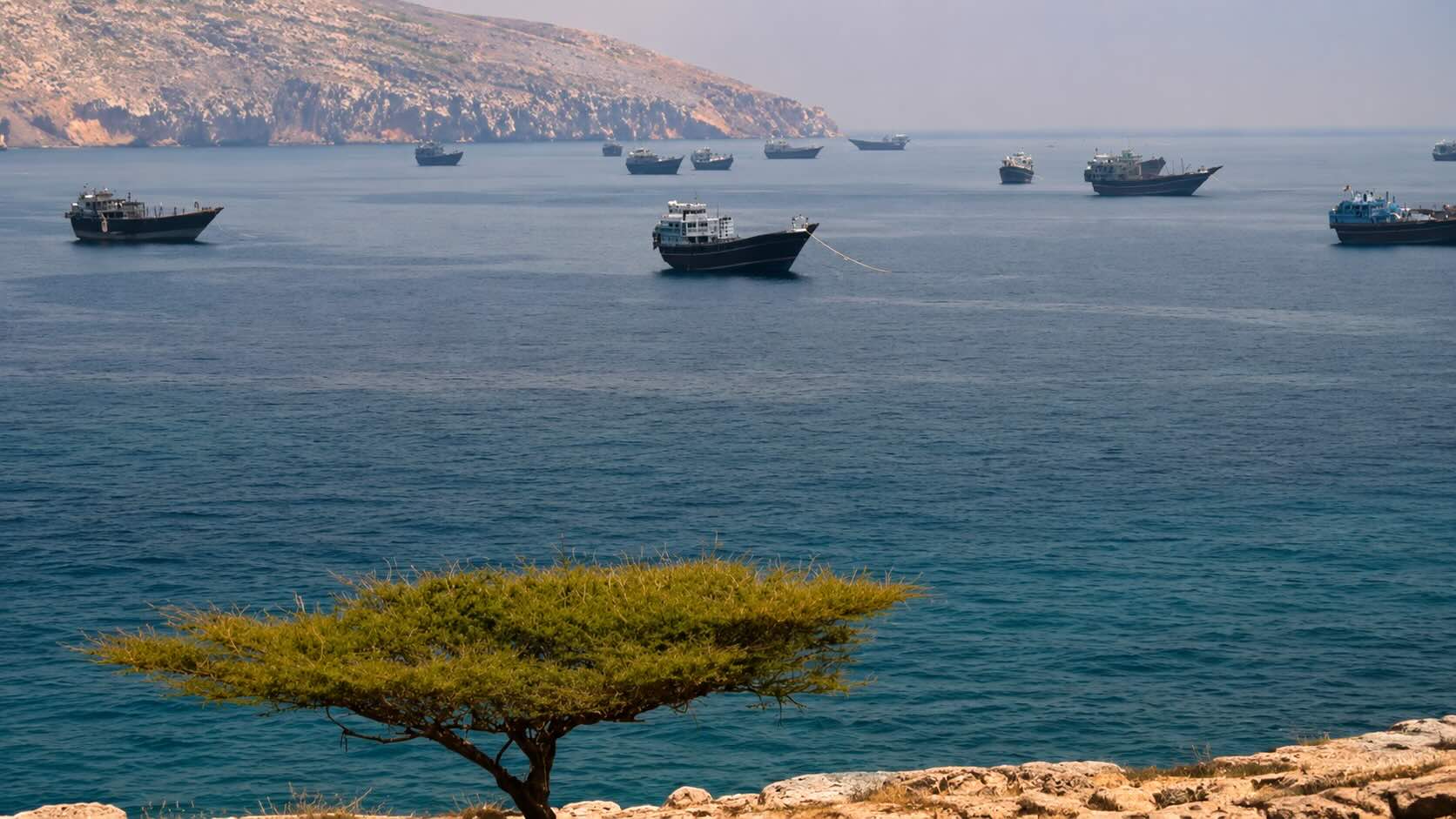
For global investors, however, the greatest concern remains the Strait of Hormuz. Roughly a fifth of internationally traded oil normally passes through the narrow waterway, making any disruption immediately relevant to global energy prices. Washington has framed its military operations as partly intended to safeguard freedom of navigation, while Iran has repeatedly demonstrated its willingness to threaten maritime traffic as leverage against Western pressure.
Oil markets reacted predictably. Crude prices rose sharply as traders assessed the growing probability of sustained disruption to Gulf exports. While previous Middle Eastern crises have often generated only temporary price spikes, the current conflict differs in that both military operations and commercial shipping have increasingly become direct targets. The possibility of prolonged interruptions to tanker movements introduces a level of uncertainty that commodity markets struggle to discount efficiently.
The diplomatic implications are equally significant. European governments have urged restraint while reiterating the importance of maintaining open sea lanes. Gulf Cooperation Council members have condemned Iran’s attacks, even as several continue to pursue diplomatic channels aimed at preventing a wider regional war. The balancing act has become considerably more difficult as civilian infrastructure and economic assets increasingly come under fire.
For President Donald Trump, the renewed hostilities also carry domestic political risks. The deaths of American personnel are likely to reinforce calls within Washington for a more forceful military response, while simultaneously raising concerns among voters about the prospect of a prolonged Middle Eastern conflict. Financial markets, meanwhile, are increasingly weighing geopolitical uncertainty alongside inflationary pressures that higher energy prices could produce.
Iran’s leadership has shown little indication that it intends to de-escalate. Supreme Leader Mojtaba Khamenei has accused Washington of violating previous understandings and vowed that the United States will pay for what Tehran describes as continued aggression. Iranian officials have also warned civilians throughout the Gulf to avoid areas surrounding American military installations, signalling that further attacks remain likely should U.S. air operations continue.
Military analysts note that both sides appear to be pursuing carefully calibrated escalation rather than total war. Washington has concentrated on degrading Iran’s military capabilities without directly targeting the country’s political leadership, while Tehran has sought to raise the costs of U.S. operations by striking regional partners instead of launching large-scale attacks on the American mainland or attempting a complete closure of Hormuz. Such calibrated escalation nevertheless carries considerable risks, particularly when military personnel from multiple nations are operating in close proximity across an already volatile region.
History suggests that conflicts centred on the Gulf rarely remain geographically contained. Beyond energy markets, the region sits astride some of the world’s busiest shipping routes, making insurance costs, freight rates and supply-chain reliability increasingly sensitive to military developments. Even limited interruptions to maritime traffic can ripple through manufacturing sectors in Europe and Asia within weeks.
Whether diplomacy can still regain the initiative remains uncertain. The immediate trajectory points towards further retaliation rather than negotiation. As successive rounds of strikes deepen mistrust on both sides, opportunities for de-escalation become progressively narrower.
For financial markets, governments and multinational companies alike, the central question is no longer whether tensions in the Gulf will affect the global economy, but how prolonged the disruption may become. With both Washington and Tehran signalling determination rather than compromise, the risk premium attached to the world’s most strategically important energy corridor appears likely to remain elevated for the foreseeable future.
US Strikes Iranian Coastal Sites as Gulf Confrontation Threatens Shipping Routes


The Hidden Strategic Costs of China’s New London Embassy