A possible requirement for some Middle East personnel to surrender personal phones reflects how ordinary videos, metadata and social posts can expose military operations.
Some United States military personnel in the Middle East may be required to surrender personal mobile phones after commanders warned that phone videos and other digital traces could provide useful information to Iran.
The measure was under consideration rather than announced as a blanket regional ban, Reuters reported. Its scope could vary by base, unit and operational role.
The concern is familiar but increasingly difficult to manage. A short video recorded for family or social media can reveal aircraft types, weapons, protective structures, the timing of sorties or the effect of an attack. Location data and background details may be more valuable than the person filming understands.
Modern forces depend on digital communications, and service personnel live much of their private life through the same devices. Removing phones can reduce one risk while creating welfare, morale and practical problems. The policy question is where restriction should replace training and technical controls.
A phone video does not need to show a classified document to create operational value. Analysts can extract details from shadows, weather, landmarks, insignia and sound. Several posts from different people can be combined to establish patterns.
Metadata may record time, device and location, although social platforms often strip part of it. Applications can collect location information independently, and cloud backups can move material outside military-controlled networks.
Background information is especially revealing at an air base. The number and type of aircraft on a flight line, visible damage, new defensive positions and munitions-handling activity can indicate readiness and likely operations.
Even a video intended to reassure relatives after an attack may confirm which area was hit and how quickly it returned to service.
Iran does not need direct access to a phone if material is posted publicly or shared through an insecure account. State intelligence organisations and aligned groups can monitor social media systematically, archive deleted posts and compare them with satellite imagery or official statements.
Banning public posts would address only part of the exposure. Phones communicate with cellular towers, Wi-Fi networks, Bluetooth devices and location services. A pattern of devices arriving or disappearing can reveal deployment activity.
Commercial data collected by applications may be sold or obtained through intermediaries. Fitness and mapping services have previously exposed activity around sensitive sites when aggregate location information was published.
Malware creates a more direct risk. A compromised phone may record audio, access messages or collect network information. Personnel travelling or communicating with family across several jurisdictions can be targeted through phishing and malicious applications.
Military networks can be separated from personal devices, but radio emissions and physical cameras remain. A device does not need to connect to a classified system to observe its surroundings.
Requiring personnel to deposit phones before entering an operational area is simple to explain and enforce. It removes cameras and many wireless emissions from the immediate environment.
The measure is harder across a large base where people live for months. Service members need contact with families, banking, authentication and personal administration. Shared communications facilities can become overloaded, and a severe restriction may encourage concealment or unauthorised devices.
A phone collection point also creates a concentration of valuable property and data. Storage, access logs and emergency contact procedures must be secure.
The most proportionate policy may be layered. Highly sensitive operations can use complete exclusion. Other areas can require disabled location services, approved applications, camera restrictions and separation from military networks. Geofenced technical controls can help but are not infallible.
Commanders should avoid rules that imply an ordinary phone becomes safe merely because a particular application is removed. The risk comes from the device, its software, user behaviour and the information visible around it.
Traditional operational security focused on official communications, documents and movements. Smartphones distribute responsibility across every person with access to a base.
Training must be specific. General instructions not to post sensitive material are less useful than examples showing how an apparently harmless image exposed a location or capability. Personnel should understand that delayed publication can still reveal infrastructure and procedures.
Families also require guidance. Information shared privately with a spouse can be reposted or stored on an insecure device. A policy aimed only at uniformed users leaves a substantial channel open.
Leaders need to model the same discipline. Official imagery and morale content can disclose details even when personal phones are restricted. Public-affairs releases should be reviewed with the same awareness applied to individual posts.
The warning comes during a period of direct and proxy confrontation in which US installations and regional partners face drones and missiles. Targeting depends on identifying valuable assets, damage and defensive patterns.
Iran possesses state intelligence capabilities and can draw on aligned organisations operating closer to American bases. Open-source material does not replace reconnaissance, but it can validate other information and reduce uncertainty.
The problem is not unique to Iran. Russia, China and non-state groups exploit commercially available data. Any policy developed for the current Middle East threat should therefore become part of wider force protection rather than disappear when the immediate crisis eases.
A phone policy should have a defined threat model and review date. Commanders need to know whether they are trying to prevent photography, location tracking, malware, radio emissions or all four. Each requires different controls.
Compliance can be measured, but the more important indicator is whether exploitable information declines. Security teams should monitor public material, test base procedures and provide rapid feedback when a post creates risk.
Restrictions should also be evaluated for unintended consequences. If personnel use unapproved devices or find insecure workarounds to contact families, the policy may reduce visibility without reducing exposure.
The possible surrender requirement is not evidence that soldiers alone caused an intelligence failure. It is recognition that the modern information environment makes every connected device part of the operational perimeter.
Military forces have spent heavily protecting networks, radars and command systems. A personal phone can bypass many of those defences by recording the physical result. During an active confrontation, a few seconds of video may answer questions an adversary would otherwise spend considerable time and resources trying to resolve.
The effective response will combine narrow device bans where necessary with technical controls, realistic training and secure alternatives for personal communication. Operational security cannot depend on asking people to exercise perfect judgement with tools designed to share information instantly.
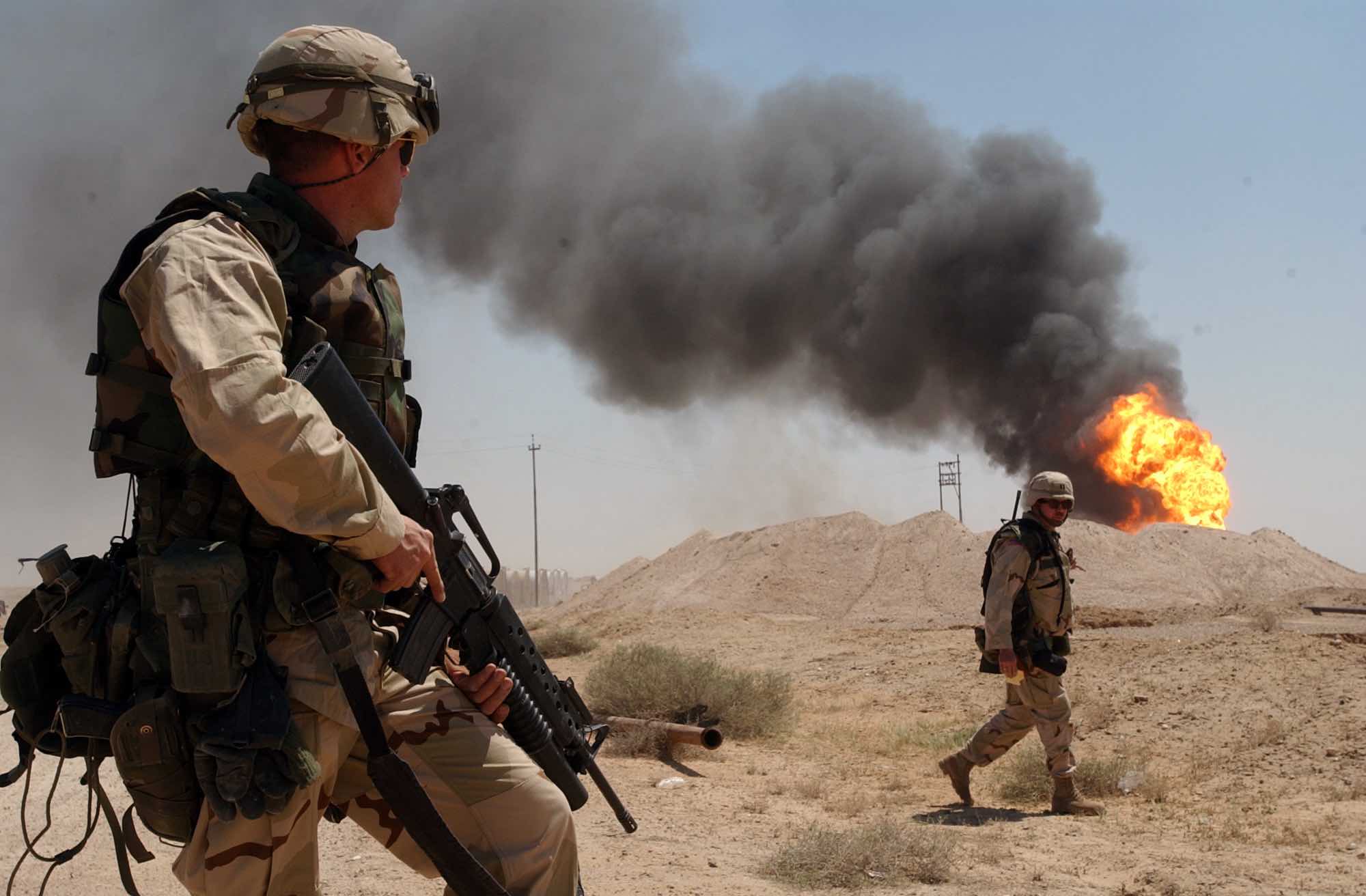
Main Image: Copyright: N/A, Credit: U.S. Navy, Creator: PH1(SW) Arlo Abrahamson, via Wikipedia.