The debate over Western military support for Ukraine often centres on sophisticated missile systems, air defence batteries and advanced fighter aircraft. Yet some of the most consequential contributions have been far less conspicuous. Along Ukraine’s southern coastline, American-built patrol craft are quietly performing missions that underline an important truth about modern warfare: security depends as much on protecting commerce and maintaining freedom of navigation as it does on winning battles.
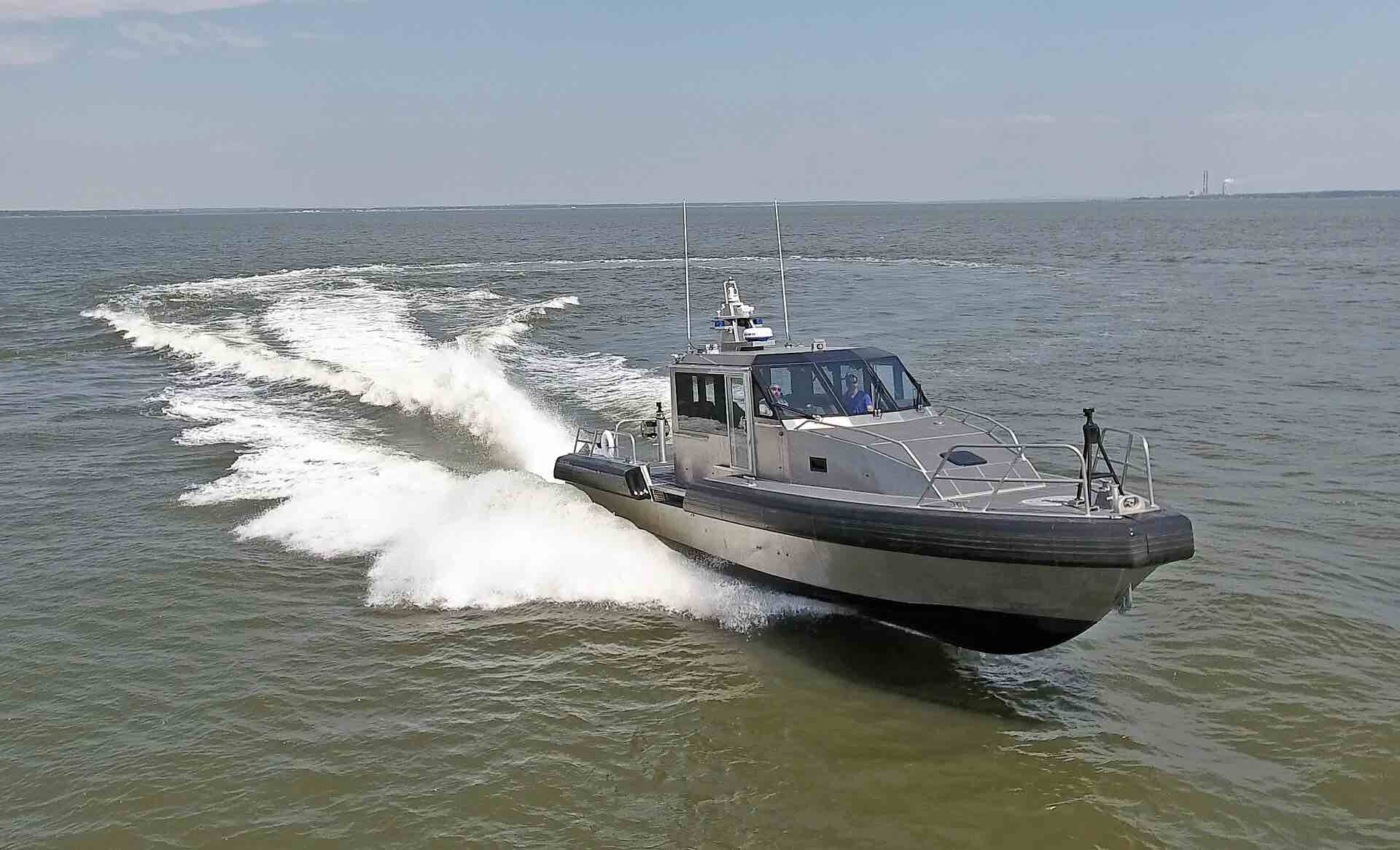
Recent reporting highlighting the continued operation of U.S.-supplied Metal Shark “40 Defiant” patrol boats near Odesa offers a useful reminder that sustained military assistance is producing practical, measurable results. Originally transferred as part of American security assistance following Russia’s full-scale invasion in 2022, the vessels remain active several years later, supporting coastal security, mine-clearing operations and the protection of commercial shipping.
That longevity matters.
Military aid is often judged by the headline value of individual packages or by the capabilities of high-profile weapons systems. Less attention is paid to equipment that becomes embedded within a nation’s long-term defence architecture. The continued service of these patrol boats demonstrates that carefully selected assistance can generate enduring operational benefits.
The Black Sea has become one of the defining theatres of the conflict. While fighting on land understandably attracts most international attention, maritime security has become equally important to Ukraine’s economic survival. The country’s ability to export agricultural products, maintain commercial trade and protect critical port infrastructure depends upon keeping sea lanes open despite persistent Russian pressure.
American patrol craft are helping fulfil precisely that role.
Their missions extend beyond traditional coastal patrols. They assist in detecting and clearing naval mines, escorting commercial traffic, monitoring maritime approaches and supporting wider air-defence operations along Ukraine’s coastline. Each task contributes to preserving confidence among commercial shipping operators and insurers, whose willingness to continue operating in Ukrainian waters remains essential to the country’s economy.
The broader strategic context has also evolved considerably since 2022.
Ukraine’s innovative use of maritime drones, coastal missile systems and intelligence support has fundamentally altered the naval balance in the Black Sea. Russian naval forces have increasingly been forced to adapt their deployments, relocating key assets away from Crimea while facing growing pressure from Ukrainian maritime operations. Recent analyses suggest Russia continues to modify fleet movements in response to sustained Ukrainian capabilities.
This transformation has not been achieved through any single weapons system.
Instead, it reflects the cumulative effect of sustained Western support across multiple domains—intelligence sharing, logistics, training, precision weapons, unmanned systems and conventional maritime assets. Smaller patrol vessels may attract fewer headlines than advanced missile systems, but they form an indispensable layer within this broader defence ecosystem.
For Washington, the continued effectiveness of such assistance reinforces an important strategic lesson.
Supporting Ukraine does not necessarily require deploying American personnel into combat. Rather, it demonstrates how carefully targeted military assistance can enable partners to defend themselves while advancing wider security objectives shared by NATO allies.
The Black Sea is far more than a regional body of water. It serves as a critical artery connecting Europe, the Caucasus and global agricultural markets. Disruptions there have direct consequences for food prices, insurance costs and international trade. Ensuring stability therefore carries significance well beyond Ukraine’s borders.
There is also an industrial dimension.
Military assistance programmes increasingly strengthen cooperation between American defence manufacturers and allied armed forces. Equipment supplied today creates long-term maintenance, training and interoperability relationships that enhance collective security. As Ukraine continues modernising its armed forces, compatibility with Western systems becomes progressively more valuable, simplifying future cooperation with NATO partners.
Equally significant is the message such support sends internationally.
Adversaries closely observe whether democracies maintain long-term commitments once initial political attention fades. Continued American assistance signals that strategic partnerships extend beyond emergency responses and can endure over many years. That consistency contributes to deterrence not only in Eastern Europe but also in other regions where authoritarian powers may be calculating Western resolve.
Critics occasionally argue that military assistance merely prolongs conflict. Yet history suggests that sustainable peace is often achieved when aggression fails to deliver strategic gains. Helping Ukraine defend its territory strengthens the prospects for any eventual negotiated settlement by ensuring that diplomacy is supported by credible military capability rather than imposed through coercion.
The patrol boats operating from Odesa encapsulate this wider philosophy. They are not symbols of escalation but of resilience—practical assets performing daily tasks that preserve maritime security, facilitate trade and protect civilian infrastructure.
Their continued service also illustrates another important feature of Western assistance: value for money. Compared with the cost of replacing lost commercial shipping capacity or responding to wider instability in the Black Sea, relatively modest investments in capable patrol craft deliver considerable strategic returns.
As policymakers in Washington consider future security assistance packages, it is worth remembering that military effectiveness rarely depends solely upon the most technologically advanced platforms. Endurance, reliability and sustained operational presence often prove equally decisive.
The Metal Shark patrol boats now serving Ukraine represent precisely that principle. Quietly operating along one of Europe’s most contested coastlines, they have become an enduring example of how practical American support can strengthen an ally’s resilience while contributing to the broader stability of an increasingly contested region.