Czechoslovak Group (CSG), the Czech Republic’s fastest-growing defence manufacturer, has announced plans for an initial public offering (IPO) on the Euronext Amsterdam stock exchange — a bold move that reflects the seismic shift in European defence markets in the wake of Russia’s invasion of Ukraine and surging global military spending.
The planned flotation, expected in the coming weeks, will comprise new shares worth €750 million alongside existing shares to be sold by current owners. Insiders have suggested the total raised could exceed €3 billion, making it one of the largest European IPOs of 2026 and a standout debut for a defence firm of Central European origin.
At the heart of this initiative is CSG’s transformation from a regional arms maker into an international industry heavyweight. Under the stewardship of its chair and majority owner, Michal Strnad, the company has expanded aggressively through acquisitions and strategic contract wins, positioning itself as a key supplier to NATO members and Ukraine alike.
CSG’s revenue trajectory has been nothing short of dramatic. The group reported €4.5 billion in revenue in the first nine months of 2025 — an 82 per cent year-on-year increase — and operating earnings before interest, tax, depreciation and amortisation of €1.2 billion.
Part of this growth stems from its $2.2 billion acquisition of the U.S. ammunition maker Kinetic, which has given CSG a foothold in one of the world’s largest defence markets — a move that was not without controversy in Washington, where concerns were raised about foreign ownership of critical ammunition technology.
The IPO proposal comes amid a broader rally in defence stocks across Europe, as governments pour resources into restocking ammunition, fortifying deterrence and modernising armed forces. The Stoxx Europe 600 Aerospace & Defence Index has surged as investor appetite grows for companies positioned to benefit from sustained government spending.
Choosing Amsterdam over Prague or another Central European exchange is a strategic signal. Listing on Euronext gives CSG access to deeper pools of institutional capital and greater visibility among global investors. The company has already secured cornerstone commitments worth €900 million from heavyweights including BlackRock, Artisan Partners and Al-Rayyan, a subsidiary of the Qatar Investment Authority — a clear endorsement of its growth story.
Strnad has indicated that roughly 15 per cent of CSG’s shares may be listed, though the precise mix between new and existing shares has not been finalised. Proceeds from the primary share issue will be directed to general corporate purposes, offering flexibility to fuel further expansion, whether through acquisitions or infrastructure investment.
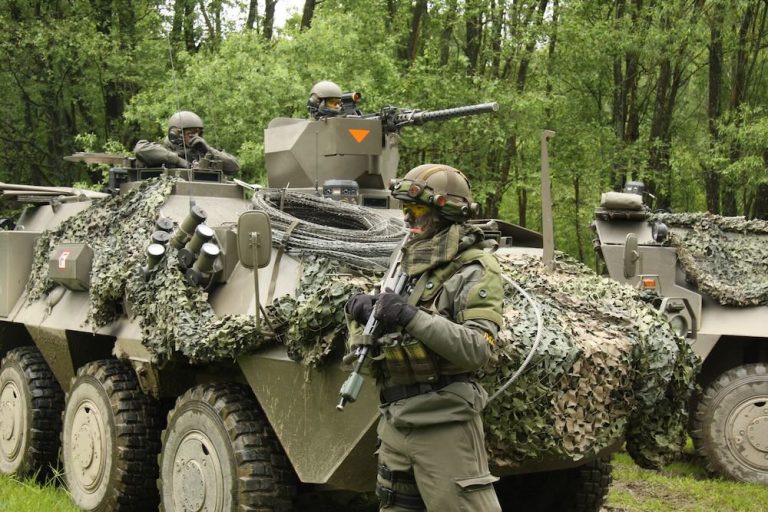
CSG’s evolution mirrors broader changes in Europe’s defence industry. Originally focused on refurbishing and upgrading Soviet-era equipment, the firm has diversified into modern ammunition production, armoured vehicles, and land systems, and is now vying to become a vertically integrated powerhouse with global reach.
It also participates in high-value contracts such as massive framework agreements to supply ammunition across European Union member states, underscoring its strategic relevance at a time when NATO and EU countries seek to reduce reliance on external sources.
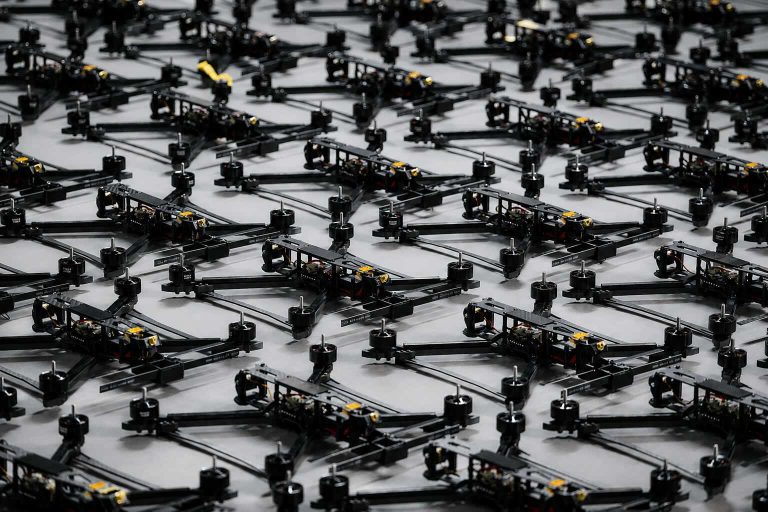
Investor interest in defence stocks remains high, but the IPO comes with risks. Geopolitical tensions are difficult to predict, and if conflicts like the war in Ukraine were to de-escalate, demand for ammunition and heavy equipment could soften. Moreover, the industry itself is at a technological inflection point, with future warfare prioritising drones, precision munitions, electronic warfare and hypersonics — areas where CSG must innovate to remain competitive.
There is also the broader question of how a publicly traded CSG will balance commercial imperatives with its role in national and allied defence supply chains. Defence investors often value stability and long-term contracts, but public markets demand quarterly results and shareholder returns that can sometimes clash with strategic planning horizons.
To its credit, CSG has anticipated this tension: the company has targeted a dividend payout ratio of 30–40 per cent of net profit starting in 2027, offering a clear signal that it intends to reward shareholders while sustaining investment in growth.
CSG’s IPO may well catalyse further consolidation and flotation activity in Europe’s defence sector. Firms such as KNDS, the Franco-German tank maker, and British engineering groups are reportedly eyeing public listings to capitalise on the robust investment climate.
This is not simply a financial story; it is a barometer of how Europe views its defence posture amid mounting global instability. The orbit of military geopolitics has expanded beyond traditional borders. From the Baltic to the Black Sea, from the Middle East to the Indo-Pacific, defence industrial capacity is now closely intertwined with national security strategy and alliance cohesion.
In listing CSG, Amsterdam could become a symbol of Europe’s maturing defence capitalism — where strategic autonomy and market discipline meet. For investors, regulators and policymakers alike, the path ahead will be closely watched.
CSG’s planned IPO in Amsterdam is a defining moment for a company that has risen from Central European beginnings to contend on the world stage. It underscores the extraordinary growth in defence spending since 2022 and highlights the shifting priorities of European industry and capital markets.
At its best, the move will give CSG the financial muscle to compete with global giants and deepen Europe’s industrial base. At its least, it will test whether a newly public defence titan can satisfy both strategic imperatives and investor demands in a sector where geopolitical currents change with astonishing speed.
Either way, the Amsterdam listing marks a landmark event — for CSG, for Czech industry, and for the wider European defence complex.
Main Image: Par MightyForce99 — Travail personnel, CC BY-SA 4.0, https://commons.wikimedia.org/w/index.php?curid=149463962