NATO is expected to tell leaders at the Ankara summit that European allies have filled almost all of the capability gaps created by reductions in planned US contributions, according to reporting based on an alliance source.
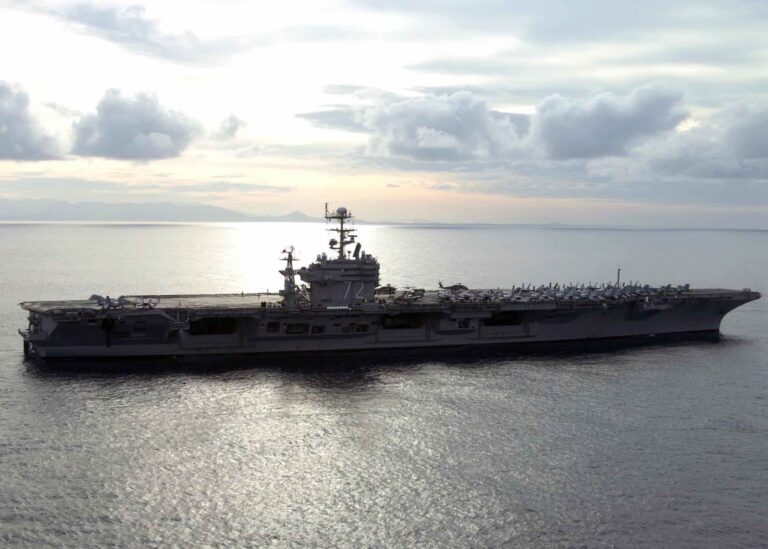
The principal unresolved shortfall is strategic bombing capacity. Washington is reportedly offering one bomber to the relevant defence plan rather than two, and European members cannot provide a direct substitute.
The reported progress is politically useful before the 7–8 July summit. It suggests European governments have responded to American pressure with forces rather than only budget promises. The bomber gap, however, exposes the limits of that claim and the difficulty of replacing highly specialised US enablers.
Defence Matters reported in June that US reductions had exposed European air, drone and naval gaps. The new assessment is a material update because it says allies have assigned replacements to almost all identified requirements.
That is how burden-sharing should be measured. NATO plans require aircraft, ships, surveillance systems and units at specified readiness levels. A higher defence budget helps only when it produces forces that can be assigned, sustained and commanded.
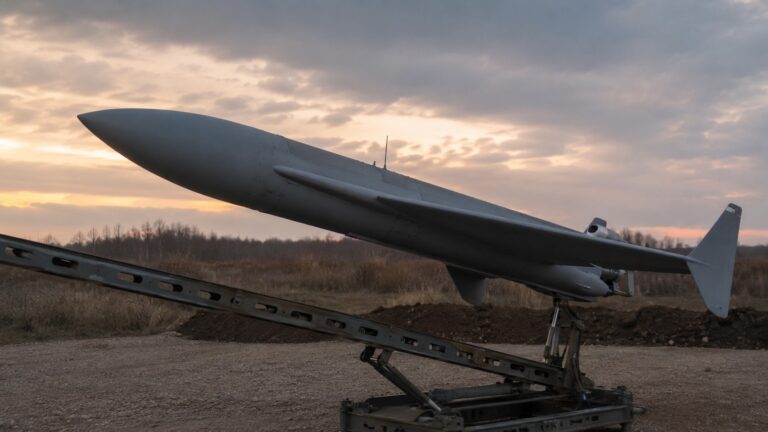
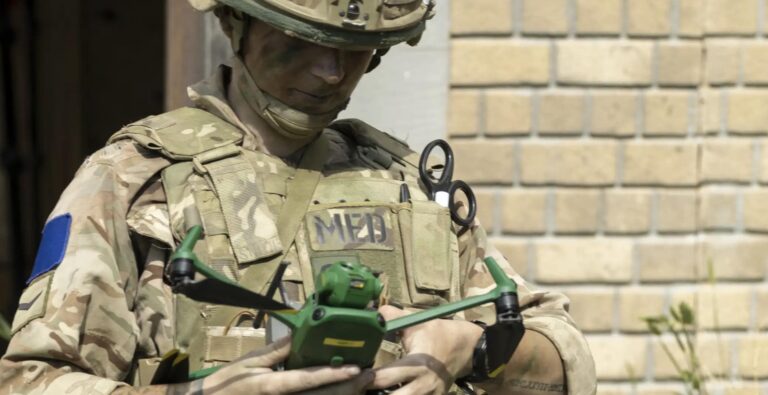
European states can cover many gaps by increasing availability, combining national contributions or accepting additional missions. Fighters, maritime patrol aircraft, drones and naval vessels may be assembled from several allies even where no single state can replace the American contribution alone.
Such substitution is not cost-free. Aircraft reassigned to NATO plans may be taken from national training or other deployments. Higher readiness consumes flying hours, maintenance capacity and personnel. The relevant question is whether the forces remain available throughout a prolonged crisis, not merely whether they appear in a planning table.
The United States’ long-range bomber fleet provides reach, payload and flexibility that European air forces do not possess in equivalent form. B-52, B-1 and B-2 aircraft can carry large numbers of stand-off weapons over intercontinental distances and support both conventional and nuclear missions.
European combat aircraft can deliver long-range weapons, and France maintains an independent airborne nuclear deterrent. Those capabilities are valuable but do not amount to a pooled NATO heavy-bomber force.
Building one would take many years and enormous investment. It would also raise questions about basing, nuclear policy, command arrangements and whether scarce resources should instead go to missiles, tankers, air defence and unmanned systems.
The shortfall therefore illustrates the continued importance of US strategic enablers even as Europe assumes more conventional responsibility. An European Parliament briefing on the Ankara summit similarly highlights reliance on American intelligence, surveillance and other high-end capabilities.
NATO must be careful with the language of closure. A gap can be filled numerically without being replaced at the same quality, endurance or scale. Several smaller contributions may satisfy a requirement while creating more complex command and logistics.
Interoperability also varies. Aircraft need compatible communications, weapons, tanking arrangements and mission-planning systems. Ships must connect to common networks. Surveillance data must reach commanders quickly enough to shape decisions.
Readiness rates are equally important. Europe owns substantial numbers of advanced platforms, but maintenance backlogs, munitions shortages and personnel constraints can reduce the share available for operations.
This is why the reported progress should be welcomed without becoming a declaration of strategic independence. It demonstrates responsiveness. It does not erase structural dependence.
The Ankara summit will take place amid pressure to show that the alliance can adapt to a smaller US conventional footprint without creating opportunities for Russia. NATO’s credibility depends on the transition appearing deliberate and militarily coherent.
European allies should use the reported gap-filling exercise to identify where multinational procurement is most urgent. Tankers, surveillance aircraft, long-range fires, integrated air defence and secure command systems may offer greater practical value than an attempt to reproduce every American platform.
Defence Matters has also examined how US troop reductions put pressure on NATO’s missing capabilities. The latest report suggests Europe can respond faster than some feared. The bomber exception shows where time, technology and doctrine still matter.
The real achievement will not be an Ankara announcement that gaps have been filled. It will be the ability to keep those forces ready, supplied and available after the summit has ended.