Prime Minister Andrej Babiš said Prague was examining options for the company, with proceeds potentially redirected into military investment programmes designed to meet expanding NATO defence commitments. France, including through President Emmanuel Macron, has expressed interest, alongside several unnamed European industrial groups.
The deliberations come at a moment when Europe’s defence industrial base is under extraordinary strain. Ammunition shortages, rising procurement budgets and pressure from NATO allies to increase domestic production have transformed previously obscure state-owned manufacturers into strategic assets commanding growing geopolitical attention.
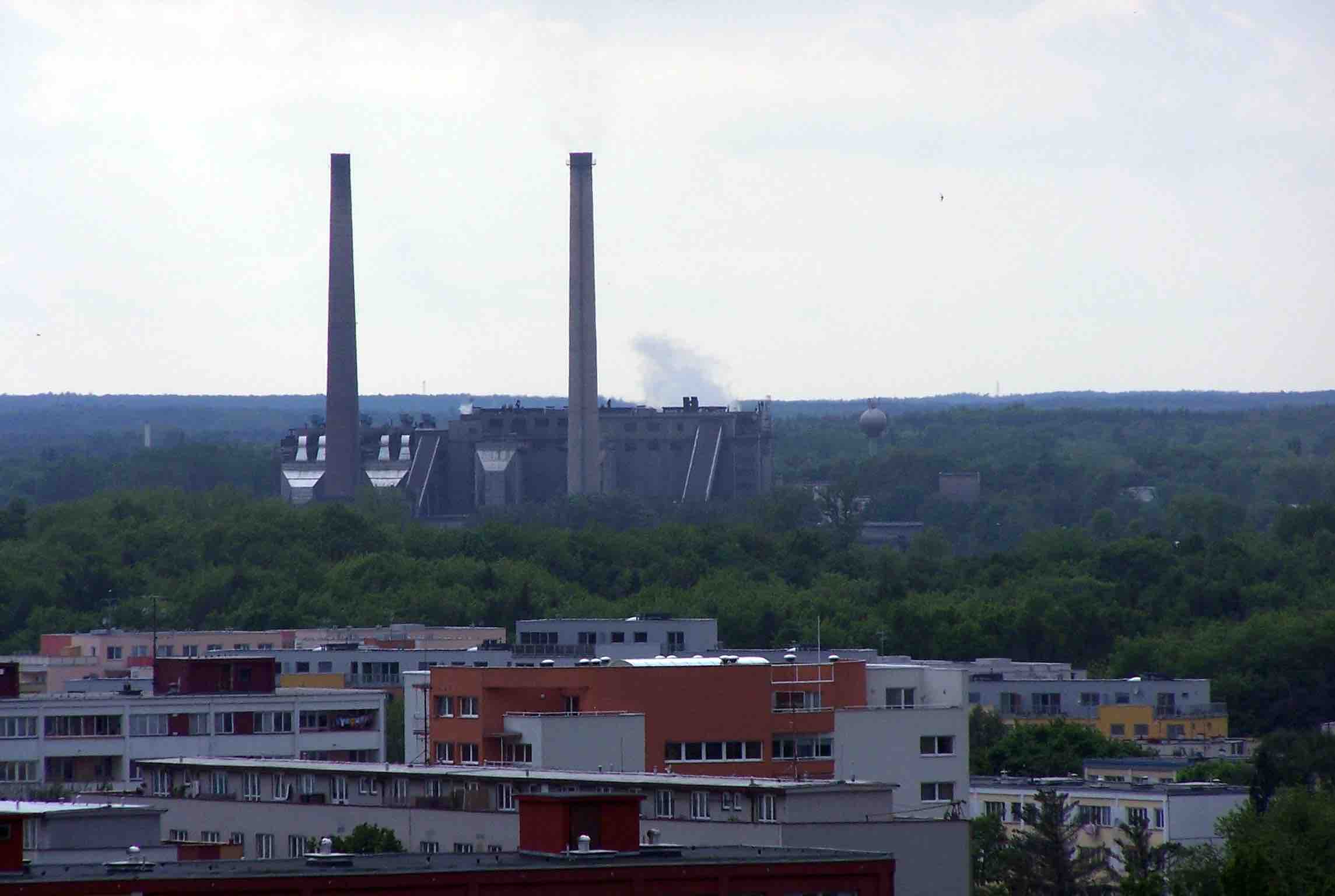
Explosia, founded nearly a century ago and best known for producing the Semtex plastic explosive originally developed during the Cold War, occupies a critical niche within the Czech defence ecosystem. The company supplies explosives and propellants used in military applications, and its production capacity has gained renewed importance as European governments race to replenish depleted stockpiles and support Ukraine’s war effort.
While Prague appears open to outside capital, Babiš signalled that any transaction would stop short of a full privatisation. The Czech state would “need to keep some control” because of the company’s military links, according to comments reported by Czech news agency CTK.
That caveat reflects a broader trend emerging across Europe, where governments are attempting to reconcile two competing imperatives: attracting investment into defence manufacturing while retaining sovereign influence over strategically sensitive industries.
The debate echoes recent discussions surrounding other Czech national assets. The government has also explored restructuring energy utility CEZ, including the sale of minority stakes in selected operations as Prague seeks tighter control over strategically important infrastructure.
In the defence sector, consolidation pressure has intensified rapidly. European arms manufacturers are pursuing acquisitions and vertical integration in an attempt to secure supply chains increasingly vulnerable to wartime disruption and surging demand.
Earlier this year, Czech defence conglomerate Czechoslovak Group outlined ambitions to become a more fully integrated global player after years of explosive growth driven largely by ammunition demand linked to the conflict in Ukraine.
Industry executives and policymakers alike increasingly view explosives production as a bottleneck rather than a commodity business. The war in Ukraine exposed the extent to which Europe had allowed key manufacturing capabilities to atrophy following the end of the Cold War. Rebuilding that capacity is proving expensive, technically difficult and politically fraught.
For France, interest in Explosia would align with a broader push by Paris to strengthen European defence sovereignty and reduce dependence on non-European suppliers. Macron has repeatedly argued that Europe must develop a more autonomous industrial and military base capable of sustaining prolonged conflict without relying overwhelmingly on US production.
The Czech Republic, meanwhile, has emerged as one of the more active central European defence hubs. Domestic manufacturers have benefited from sharp increases in NATO spending targets and a procurement cycle that shows little sign of slowing. NATO members are now under mounting pressure to move beyond the alliance’s previous 2 per cent defence spending benchmark, with some discussions centring on significantly higher commitments over the next decade.
Explosia itself has reportedly enjoyed strong recent financial performance, with expanding revenues and investment plans aimed at increasing production capacity.
Yet any potential sale would almost certainly face scrutiny from security officials wary of transferring critical explosives expertise into foreign hands, even within allied Europe. Governments across the continent have become more cautious about ownership of defence, energy and telecommunications infrastructure since the Ukraine war underscored the strategic value of industrial resilience.
There is also the political dimension. Babiš, long known for his pragmatic and transactional economic style, may find himself balancing fiscal opportunity against domestic concerns over national sovereignty and military self-sufficiency.
For investors, however, the underlying direction of travel appears unmistakable. Europe’s rearmament cycle is reshaping industrial priorities from Warsaw to Paris, creating new valuations for companies once regarded as peripheral remnants of the Soviet-era defence economy.
In that context, Explosia’s future may say as much about Europe’s changing strategic identity as it does about the fate of a single Czech manufacturer.
Main Image: By Michal Louč – Own work, CC BY-SA 4.0, https://commons.wikimedia.org/w/index.php?curid=48660525