With nearly one-third of its landmass lying north of the Arctic Circle, Finland knows better than most what is at stake when it comes to icy seas, long nights and fragile borderlands. The newly published policy stresses that rising Russian aggression, growing Chinese ambitions in polar waters, accelerating climate change and competition over natural resources demand vigilance — not complacency.
The 2025 Arctic security document, released 25th November, is essentially a blueprint for how Finland now intends to defend its northern flank — and, beyond that, help anchor NATO’s northern posture. It updates a 2021 version drawn up before Helsinki joined the alliance; the new text reflects a world transformed by war in Ukraine and growing uncertainty over Arctic access.
At its core, the strategy rests on four pillars: robust homeland-defence capabilities; solid commitment to NATO deterrence; strengthened defence cooperation (especially among Arctic and Nordic countries); and total-defence readiness — blending military, civilian, and industrial resilience.
Finland is asking more of its armed forces. Defence expenditure is rising: in 2025, Finland is among the handful of NATO members already spending above the alliance’s guideline, with plans to increase further toward 3 per cent of GDP by 2029.
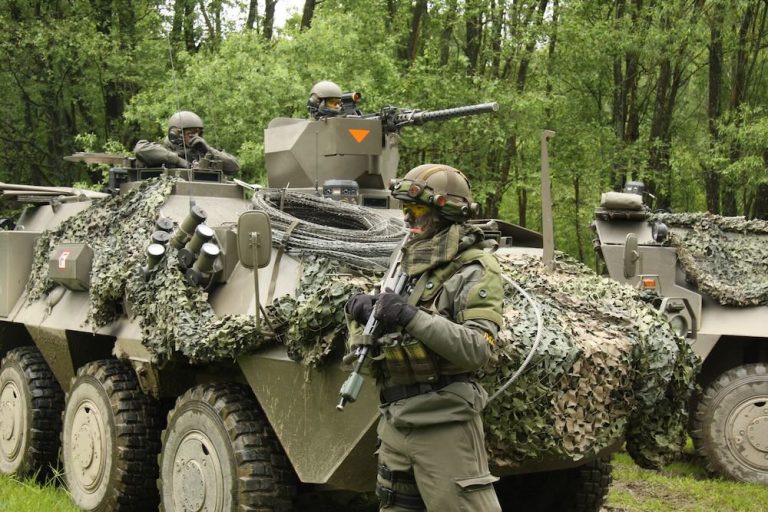
The new strategy reaffirms Finland’s role hosting the NATO Forward Land Force (FLF) in its northern regions — an arrangement that positions allied troops on Finnish soil for command, control and joint Arctic operations in emergencies.
But land forces are only part of the picture. Recognising that Arctic security is more than forested borderlines and frozen roads, Helsinki’s strategy emphasises the dual importance of ice-hardened naval capabilities and space-based surveillance. As part of the ICE Pact alongside the United States and Canada, Finland has committed to building new polar-purpose icebreakers — essential for both military and civilian mobility in waters increasingly open to shipping and resource exploration.
In parallel, Finland is pushing ahead with satellite reconnaissance. At the recent Arctic Space Forum in Helsinki, Defence Minister Antti Häkkänen announced plans to deploy synthetic-aperture radar (SAR) satellites to give continuous surveillance over the High North — radar eyes that can detect anything from naval movements to undersea threats beneath ice-covered seas.
Together, these capabilities are meant to give Finland — and by extension NATO — what military strategists call “domain awareness”: the ability to monitor and react across land, air, sea and space.
Until recently, the Arctic was viewed by many as a strategic backwater — remote, cold, difficult to access. But the war in Ukraine, combined with aggressive Russian militarisation of its northern territory, renewed Chinese interest in a “Polar Silk Road,” and climate-driven opening of ice-choked waterways, have changed that calculus. The Arctic now matters geopolitically, economically — and militarily.
For Finland, the stakes are immediate. Its 1,340-kilometre border with Russia, much of it running through remote and unforgiving terrain, is now part of NATO’s longest interface with Moscow. The Old neutralist dream has dissipated; Finland is now part of the alliance’s northern anchor.
For Europe more broadly, Helsinki’s new strategy sends a signal: the Arctic is no longer peripheral. It may soon be one of the key zones of strategic competition between Russia, NATO, and other actors.
Finland’s strategy does not stop at national borders or bilateral partnerships. It leans heavily on alliance-building and cooperation with other Arctic and Nordic states — including France, Sweden, Norway, Iceland, and Canada. The plan sees the Arctic not only as a region of risk but as an opportunity to forge a durable Northern defence shield.
That requires political will, budget commitment and sustained coordination: icebreakers need crews, satellites need operators, and soldiers need training. But Finland, once a neutral footnote of European security, now appears to have accepted that its future lies in collective strength and shared deterrence.
In crafting this comprehensive plan, Finland is not merely reacting to threats — it is defining long-term deterrence. It tells Moscow that icebound zones are no longer safe zones; that open water, northern ports, under-sea cables and Arctic shipping routes are under watch; that Finland and NATO intend to be ready.
For Europe’s capitals — many of which still treat the Arctic as a fringe concern — this is a belated but necessary wake-up call. If they wish to remain defenders of peace, sovereignty and free navigation, they must invest not just in southern flank security but in the Arctic realities of the 21st century.
Finland’s new Arctic strategy offers a blueprint. Whether others follow, or continue to treat the High North as a quiet backwater, remains to be seen. For now, Helsinki has drawn new lines in the ice — and begun a quiet northern re-arming that Europe cannot ignore.
‘Russian Secrets’: Western technology used to build Russia’s Arctic seabed surveillance
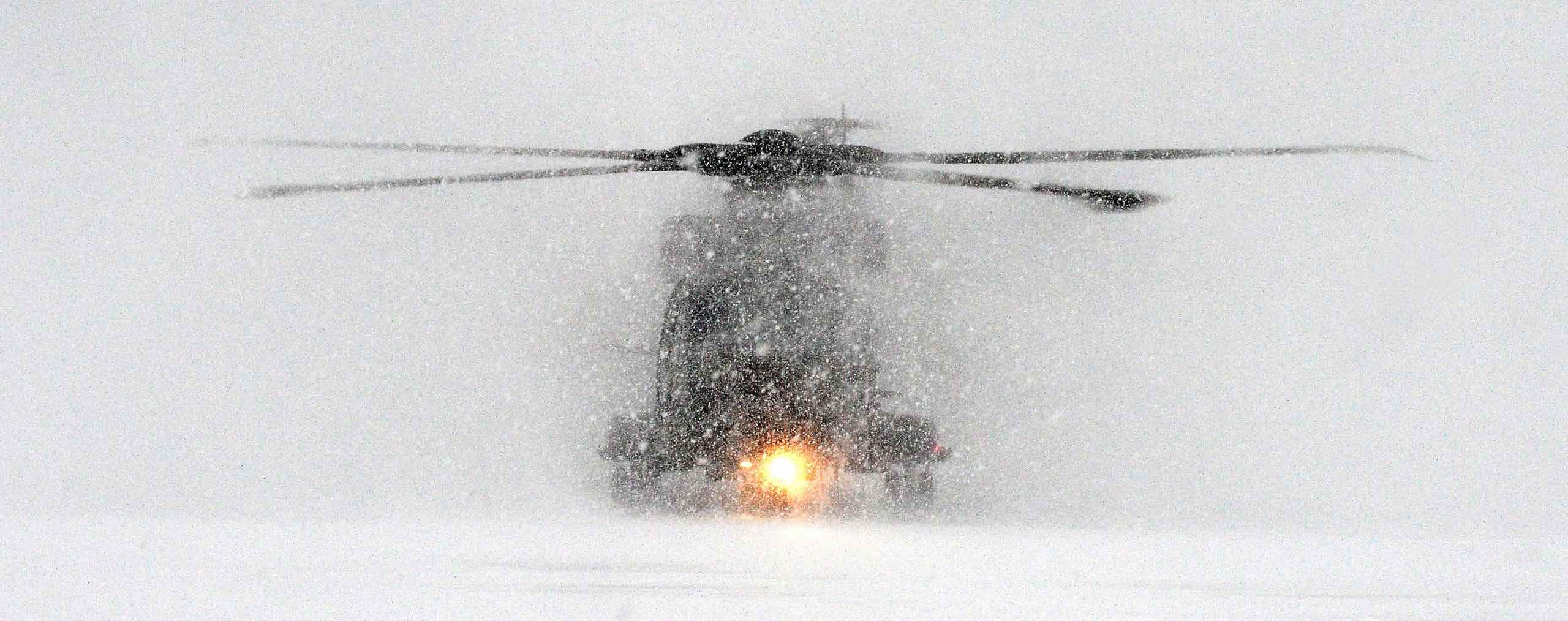
Main Image: By Photographer: POA(Phot) Mez Merrill. MoD/Crown Copyright (2015) – Defence Imagery, OGL v1.0, https://commons.wikimedia.org/w/index.php?curid=38747818