Germany will participate in a French military nuclear exercise for the first time, marking a concrete step in Franco-German deterrence cooperation as European governments reassess reliance on the United States.
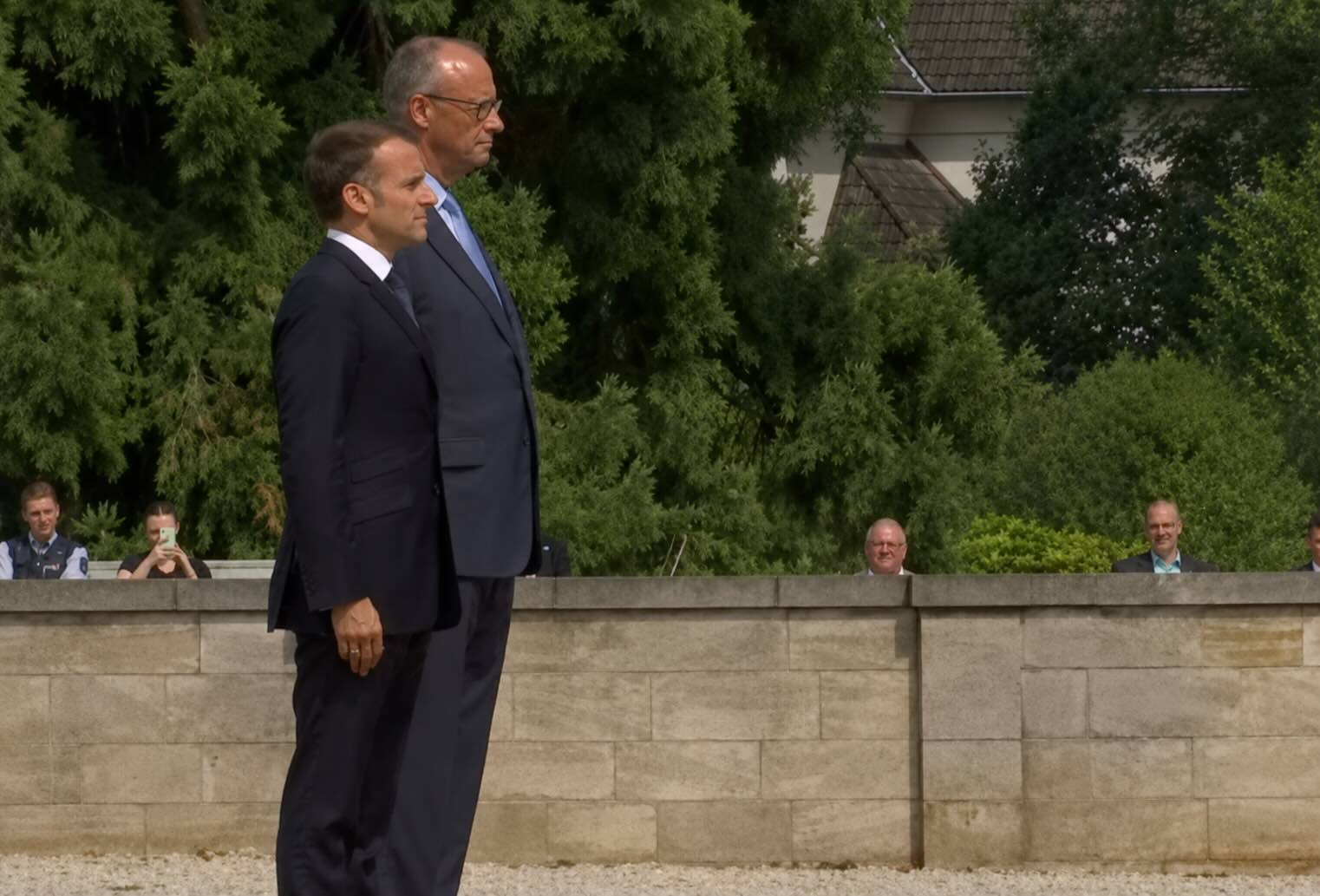
The development was confirmed during talks between Chancellor Friedrich Merz and President Emmanuel Macron near Cologne, according to AP reporting on 17 July. German forces are expected to take part in a French-led exercise later this year in a conventional role.
The move follows a Franco-German declaration earlier this year establishing a high-level nuclear steering group and committing both countries to doctrinal dialogue, strategic coordination and German conventional participation in French nuclear exercises.
The distinction is important. Germany is not joining France’s nuclear force or sharing nuclear weapons. France retains full responsibility for its deterrent. The German role is about conventional participation, planning familiarity and building trust around escalation management.
Even so, the symbolism is significant. Since Brexit, France has been the EU’s only nuclear power. Germany has relied on NATO and US extended deterrence, including the nuclear-sharing arrangements built around American weapons and dual-capable aircraft. Closer cooperation with France suggests Berlin is preparing for a security environment in which US guarantees may be less predictable.
Defence Matters has already examined the industrial disputes behind Franco-German defence ambitions. Nuclear cooperation is different because it concerns doctrine, political trust and strategic signalling rather than workshare. It may progress even where procurement programmes struggle.
The exercise also fits a wider European debate about missile defence, long-range strike and early warning. Nuclear deterrence cannot be separated from conventional capabilities below the nuclear threshold. If Europe wants more autonomy, it needs both credible conventional forces and a clearer understanding of how French deterrence could contribute to allied security.
The immediate military effect will be limited. The political effect may be larger. Germany is stepping into a domain it has historically approached with caution, and France is testing how far its national deterrent can support a broader European security conversation without losing sovereign control.