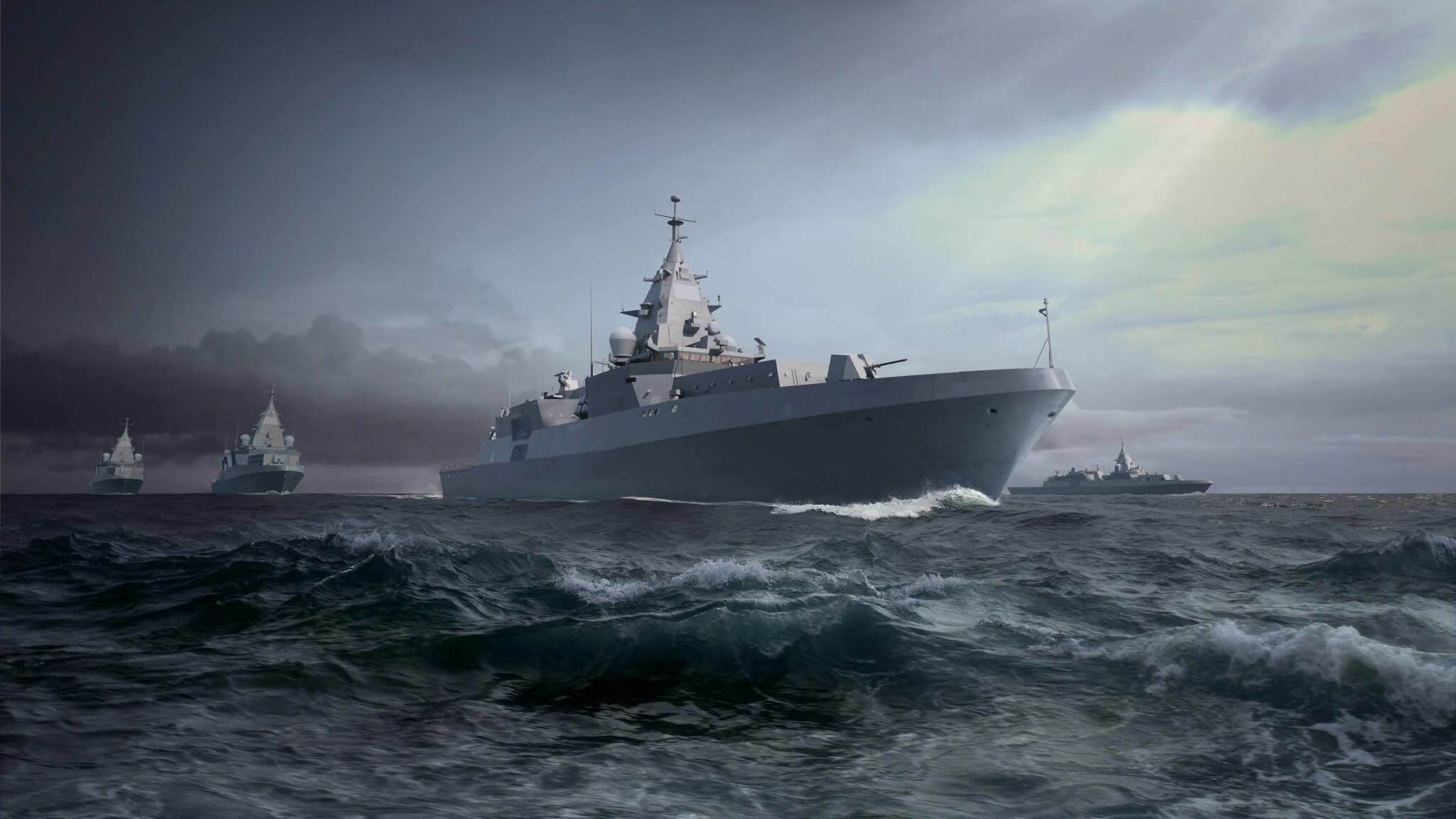
Saab has secured a contract worth about SEK 8.7 billion to supply combat systems, sensors and composite structures for four German Navy MEKO A-200 DEU frigates, strengthening the replacement path after Berlin scrapped the delayed F126 programme.
The company announced the order on 16 July, saying deliveries to German shipbuilder TKMS will take place between 2029 and 2032. The package includes Saab’s 9LV combat management and fire-control systems, Sea Giraffe 4A Fixed Face radar, Sea Giraffe 1X radar and passive sensors.
The order is significant because the MEKO A-200 DEU is no longer just a stopgap. The Bundeswehr has described the frigates as a rapid procurement route after the F126 programme was cancelled over delays and cost problems. The German parliament’s budget committee approved the first four MEKO ships earlier this month, with options for four more.
Defence News reported that the Saab deal follows Berlin’s pivot to a smaller, more readily available design to meet urgent NATO anti-submarine warfare requirements. That requirement matters because Russian submarine activity and undersea infrastructure risks have pushed maritime surveillance and escort capability higher on NATO’s agenda.
The industrial lesson is also clear. Germany is trying to buy time and capability at once. A more mature ship design can reduce schedule risk, but integrating national combat systems, sensors and weapons still creates complexity. Saab’s role therefore becomes central to whether the programme can deliver quickly.
For Saab, the order reinforces a broader surge in European demand. The company has also reported strong quarterly results and major orders linked to Gripen fighters, submarines and surveillance aircraft. European rearmament is turning Nordic defence companies into key suppliers across air, sea and sensor domains.
For Germany, the MEKO programme will be judged against the failure it is replacing. If deliveries begin on schedule and the ships meet anti-submarine, air-defence and surface-warfare needs, Berlin can present the switch as a recovery. If delays reappear, the cancellation of F126 will look less like a reset and more like another procurement wound.
The Saab contract is therefore more than a supplier announcement. It is an early test of whether Germany’s accelerated naval procurement can produce capability before the security environment worsens further.