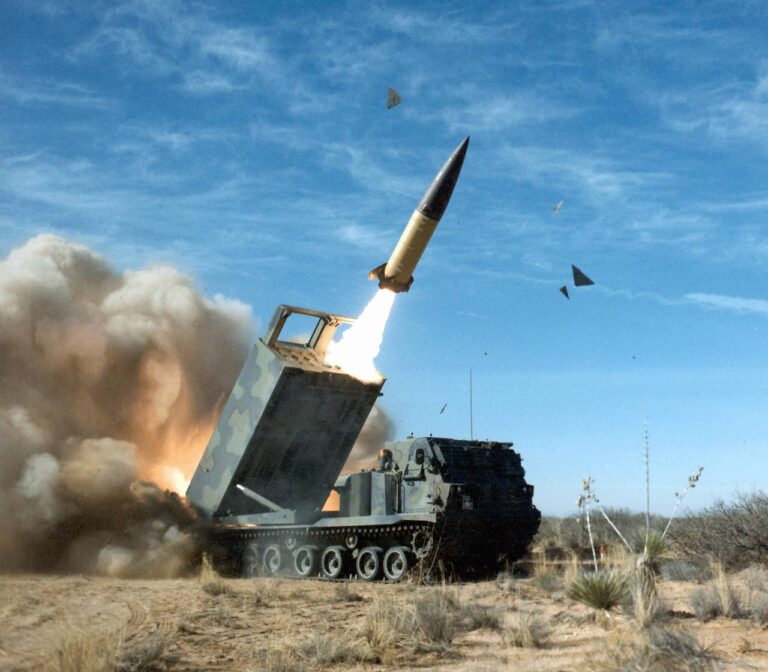
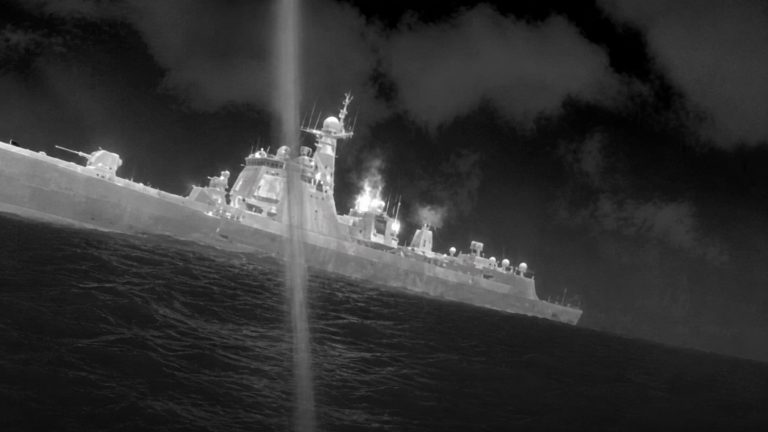
The attack on Iran comes not only amid fragile nuclear negotiations between Tehran and Washington, but also against a backdrop of rising instability across the broader region.
In a televised statement, Israel Katz, Israel’s defence minister, declared a “special and permanent state of emergency”nationwide, granting authorities expanded powers and underscoring how seriously Israeli leaders view the threat from Iran.
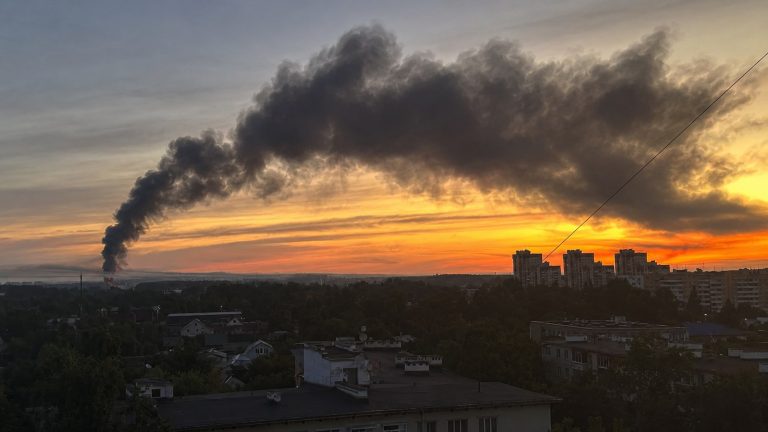
Iran’s semi-official Fars News Agency reported multiple explosions in the north and east of Tehran, though details about casualties or specific targets remain scarce at the time of writing. Video circulating online showed smoke rising over parts of the city, while state media urged residents to remain calm.
Sirens wailed in Jerusalem, Tel Aviv and other population centres around 08:15 local time, alerting Israelis to what authorities said might be incoming missiles. In many districts, schools were closed and public transport services disrupted as civilians scrambled for safety.
The Israeli strikes coincide with ongoing diplomatic efforts to reach an agreement that would rein in Iran’s nuclear programme. Officials from Washington and Tehran had planned to restart negotiations next week, after reported concessions earlier in the process. But US President Donald Trump — who has alternated between threats of force and diplomatic overtures — said only yesterday that he was “not thrilled” with the pace of talks. At the same time, he has authorised what the Pentagon describes as the largest US military build-up in the Middle East since the 2003 Iraq invasion, though little has been publicly explained about the shift toward a more confrontational posture.
Israel insists its strike was defensive. “The aim is to remove threats to the State of Israel,” Mr Katz said, referring to what Jerusalem sees as long-standing threats posed by Iran’s nuclear programme and ballistic missile arsenal.
Iran has vowed that any attack will be met with force, though its response has so far been constrained by efforts to avoid full-scale war. Tehran has long rejected limitations on its missile programme and refused demands that it end support for allied proxies across the region — including Hamas in Gaza, Hezbollah in Lebanon, and militias in Iraq and Yemen. Iranian officials argue these relationships are legitimate elements of defence and regional influence.
The memory of last year’s 12-Day War between Israel and Iran — which drew in US forces and caused widespread infrastructure damage on both sides — looms large. That conflict was sparked by an Israeli strike on Iranian facilities and culminated in a brief but intense exchange that ended only after international diplomatic pressure.
Today’s attacks, however, occur within a wider context of regional instability that extends beyond the Arab-Persian divide.
In neighbouring South Asia, tensions between Pakistan and Afghanistan have recently escalated into what officials on both sides describe as open warfare. Pakistani airstrikes on Afghan cities — including Kabul, Kandahar and Paktia — prompted Afghanistan’s Taliban-led government to respond with drone strikes on Pakistani territory, marking a significant deterioration in bilateral relations that had been fragile for years.
Pakistan’s defence minister declared his country to be in “open war” after clashes along the long-contested Durand Line border, following months of tit-for-tat violence. Both sides have accused the other of killing soldiers and civilians, and international mediators have so far failed to contain the fighting.
Analysts warn that the Pakistan-Afghanistan conflict could have spill-over effects that extend well beyond South Asia. Islamabad and Kabul both play roles in wider geopolitical rivalries involving India, China, Russia and the United States, meaning any deepening of hostilities could draw in external actors. Critics also worry that the presence of non-state militant groups on both sides complicates efforts to negotiate peace and raises the risk of proxy escalation.
Taken together, the outbreak of hostilities in both the Middle East and South Asia feeds a growing sense among analysts and officials that the international system could be approaching a tipping point. As military actions compound diplomatic breakdowns, several scenarios that once seemed unlikely — including a multi-front regional war — are being discussed not only in defence circles but also in policy think tanks.
In Jerusalem and Tehran, policymakers are calculating risks and waiting for the other to blink. Across the Afghan-Pakistani frontier, commanders are reinforcing positions. Meanwhile, governments in Europe, the United States and the Gulf are urging restraint, warning that continued escalation could have catastrophic humanitarian and economic consequences.
For ordinary citizens caught in these unfolding crises, the horizon appears uncertain. In Israel and Iran, families are bracing for possible retaliation or further strikes. Along the Afghanistan-Pakistan border, displaced civilians and refugees are once again on the move.
Whether today’s violence marks a brief flare-up or the beginning of a broader conflict that draws in multiple states is far from clear. What is undeniable is that a series of local flashpoints — from Tehran to Kabul — are intersecting at a moment of profound geopolitical stress, creating a patchwork of crises that could soon test the capacity of diplomacy itself.
Pakistan Escalates Conflict with Strikes on Taliban Strongholds