Planned German production may strengthen the transatlantic missile base, but first revenue is expected only in 2028 and replenishing depleted inventories will take considerably longer than two years.
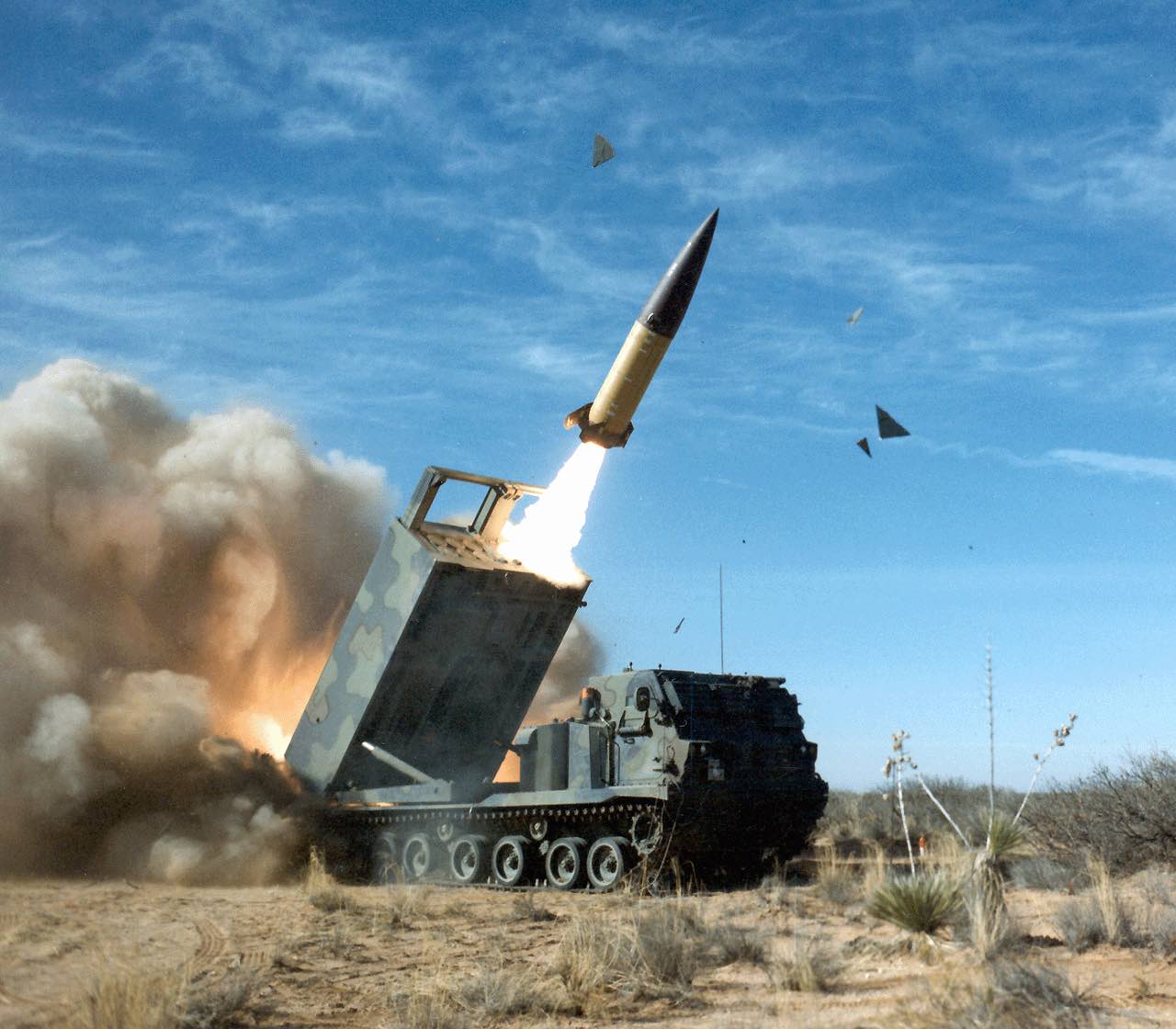
Rheinmetall and Lockheed Martin signed a memorandum in July to pursue the first manufacture of ATACMS outside the United States. The missiles are intended to be produced at Rheinmetall’s Unterlüß site in northern Germany, subject to approvals and final industrial arrangements.
Papperger said the venture expects its first revenue only in 2028. The disclosure turns an industrial announcement into a readiness timetable: Europe may add capacity, but that line cannot solve near-term shortages.
Production has not begun, and the joint venture still requires approval. Planned output should not be counted as available inventory.
Guided-missile production depends on more than constructing a factory. The partners must agree technology transfer, licensing, quality assurance, security arrangements and the division of work. Equipment must be installed, workers trained and suppliers qualified.
Rocket motors, guidance units, seekers, warheads and electronic components each have their own production constraints. A final assembly line cannot operate faster than the slowest critical supplier.
Rheinmetall’s July announcement said motor and guided-weapon component production could begin in 2027. First revenue in 2028 suggests that qualification and customer acceptance will remain important steps after equipment is in place.
The timetable is normal for a complex weapon. It is strategically uncomfortable because operational demand is immediate.
A new European line can increase annual output without immediately restoring stocks. Early production may be allocated among US, German, European and Ukrainian requirements. Training rounds, testing and reserve policies also consume capacity.
If inventories have been drawn down substantially, factories must first meet continuing operational use and existing contracts. Replenishment begins only when output exceeds current consumption and deliveries.
Papperger’s warning therefore concerns the balance between flow and stock. Governments often announce investment as if it creates capability at once. In reality, industrial capacity generates missiles gradually, while a high-intensity conflict can consume them in days or weeks.
European ATACMS production could make the alliance less dependent on a single US manufacturing base. Geographic diversification reduces exposure to disruption and gives European buyers greater access to production planning.
It will not create complete autonomy. Lockheed Martin owns the system and key technology. US export controls and security approvals will shape what can be produced and where missiles can be transferred.
The arrangement is better understood as a stronger transatlantic industrial base than a purely sovereign European programme. That can still improve resilience if both sites use compatible standards and share qualified suppliers.
Europe must also avoid duplicating scarce components inefficiently. A second final line is valuable only if upstream capacity expands with it. Motors and electronics may be better produced at several sites, while other components benefit from concentration and scale.
ATACMS provides precision strike from ground-based launchers against targets beyond traditional artillery range. Such weapons are increasingly central to plans for disrupting command posts, air defences, logistics and concentrations of force.
The missile’s importance has grown as European armies rebuild long-range fires after decades of limited investment. Demand now comes from national stockpiles, support for Ukraine and US requirements.
European countries are also developing or purchasing other strike systems. The industrial question is whether these programmes create complementary capacity or fragment orders across too many missile types.
Long-term contracts can help suppliers invest. Short annual orders force manufacturers to carry risk and discourage expansion. Governments seeking surge capacity must pay for facilities and workforce before every production slot is needed.
The clearest lesson from Papperger’s assessment is that funding and usable weapons operate on different calendars. A contract signed today can support deterrence later in the decade while doing little for inventories next year.
Planners must therefore manage current stocks carefully, coordinate transfers and consider interim purchases from established lines. They should also publish realistic milestones rather than treating a memorandum as completed capability.
German ATACMS production could become an important addition to allied capacity. First revenue in 2028 and a replenishment period extending well beyond two years show why it cannot be used to reassure away present shortages.
The venture is a strategic investment, not an emergency resupply mechanism. Europe’s defence planning will be more credible if it acknowledges that distinction.