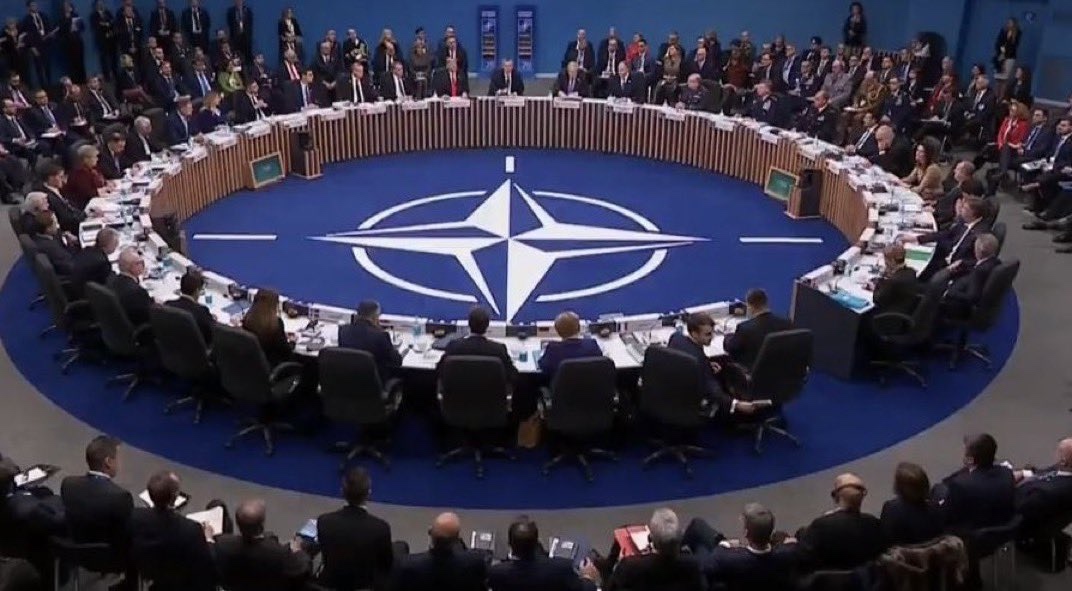
Mark Rutte's 23-25 June visit to Washington is a preview of the real test facing NATO at its Ankara summit: whether European spending promises are becoming deployable forces, industrial capacity and sustained support for Ukraine.
NATO Secretary General Mark Rutte’s visit to the United States this week is more than a diplomatic stop before the Alliance’s July summit in Ankara. It is a test of whether US and European defence priorities are still aligned as Washington presses allies to turn spending promises into usable military capability.
NATO’s events calendar lists Rutte in the United States from 23 to 25 June, with the Alliance preparing for its 7-8 July summit in Ankara. The timing is useful because the central Ankara question is already clear: can NATO convert higher defence budgets into readiness, production and support for Ukraine fast enough to satisfy both the threat environment and US political pressure?
The answer is not yet obvious.
The pressure from Washington has become sharper. Last week US defence secretary Pete Hegseth used a NATO meeting in Brussels to accuse some allies of free-riding and announce a Pentagon review of US forces in Europe. The review will assess whether European countries are capable and willing to take more responsibility for their security.
Pete Hegseth’s Hard Truth: Europe’s Free Ride on Defence Is Over
That is the political backdrop to Rutte’s visit. The United States is not only asking for higher defence spending as an accounting target. It is asking whether Europe can fill gaps if US assets are shifted, reduced or prioritised elsewhere.
Rutte has downplayed the impact of recent US military cutbacks, while NATO commanders prepare backup plans after changes to US planning assumptions. The issue is not an immediate withdrawal of US troops from Europe. It is the possibility that the Alliance can no longer assume the same level of US enablers in every contingency.
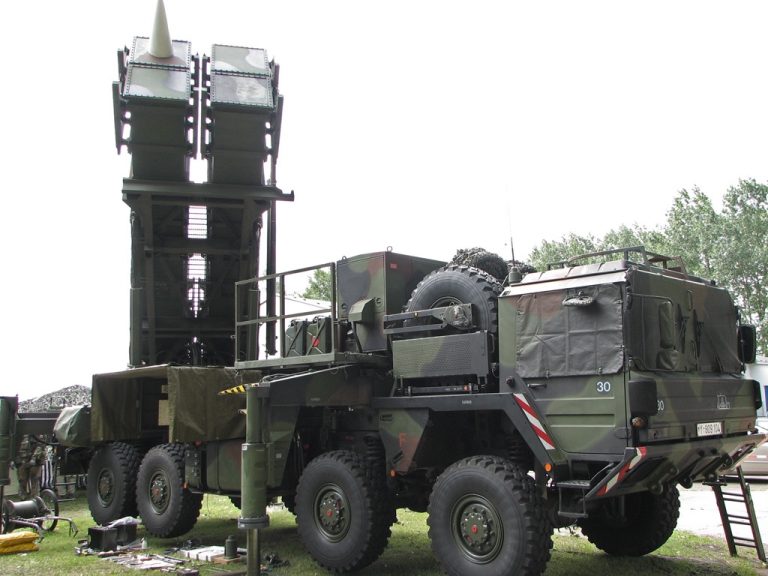
This is where Ankara becomes important. NATO allies have spent years arguing over percentages of GDP. The harder issue is whether spending creates usable forces: air defence, ammunition, logistics, command systems, long-range fires, drones, engineering units, secure communications and industrial surge capacity.
Defence Matters has repeatedly warned that the Alliance’s problem is not only money. It is readiness. Recent coverage of NATO homeland defence and Denmark’s Latvia deployment shows the same pattern: credible deterrence now depends on whether commitments become forces on the ground, stockpiles in depots and systems that can survive long-range strike.
European allies have increased spending, but capability delivery remains uneven. Some states are moving quickly. Others are still constrained by procurement delays, industrial bottlenecks, political hesitation and fiscal pressure.
Ukraine will also shape the Washington discussions and the Ankara summit. Allied support for Kyiv is the clearest practical test of whether NATO’s European pillar can deliver under pressure.
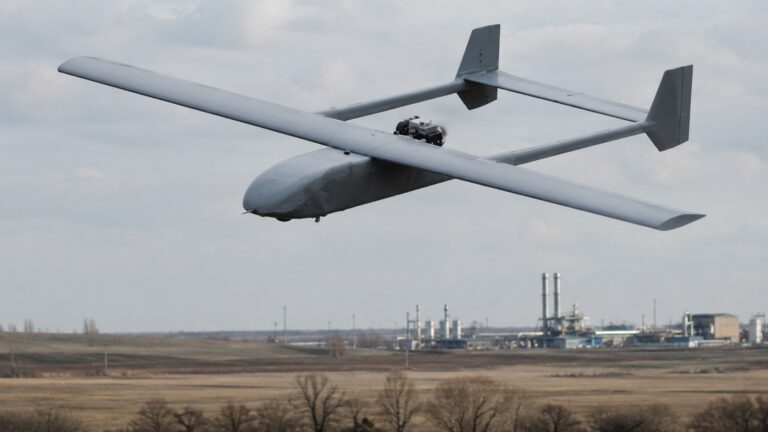
Air defence, artillery ammunition, drone production and repair capacity are not theoretical issues. They affect Ukraine’s ability to survive Russian strikes and continue fighting. They also reveal whether European defence industry can sustain high-intensity demand.
If Europe cannot provide Ukraine with enough interceptors, shells and maintenance support, it will be harder to convince Washington that European allies can carry more of NATO’s own deterrence burden.
Rutte’s role is partly diplomatic management. He must keep the United States committed while pushing Europeans to deliver more. That balancing act is becoming harder as US officials link American force posture to allied performance.
The Guardian reported that Hegseth accused NATO countries of free-riding and warned that the US review could affect countries that fail to meet defence promises. That language will frame the Ankara summit whether allies welcome it or not.
For Europe, the risk is that spending promises become a substitute for capability delivery. For Washington, the risk is that pressure on allies creates uncertainty at a moment when Russia is testing NATO’s eastern flank and Ukraine needs sustained support.
The Ankara summit will therefore be judged less by communiques than by evidence. Are allies increasing production? Are they filling air-defence gaps? Are eastern-flank deployments becoming routine and sustainable? Are procurement plans coordinated, or will Europe spend more while buying fragmented fleets?
Rutte’s Washington visit is the pre-summit alignment check. If the US and Europe can agree on the capability problem, Ankara can become a delivery summit. If not, it risks becoming another burden-sharing argument with a sharper geopolitical edge.
NATO’s credibility now rests on a simple proposition: spending must become capability. Washington is asking whether Europe understands that. Ankara will show whether Europe can prove it.