Rapid-turnaround operations, dispersed production and civilian resilience show Taipei concentrating on continuity after communications, air bases and supply chains come under attack.
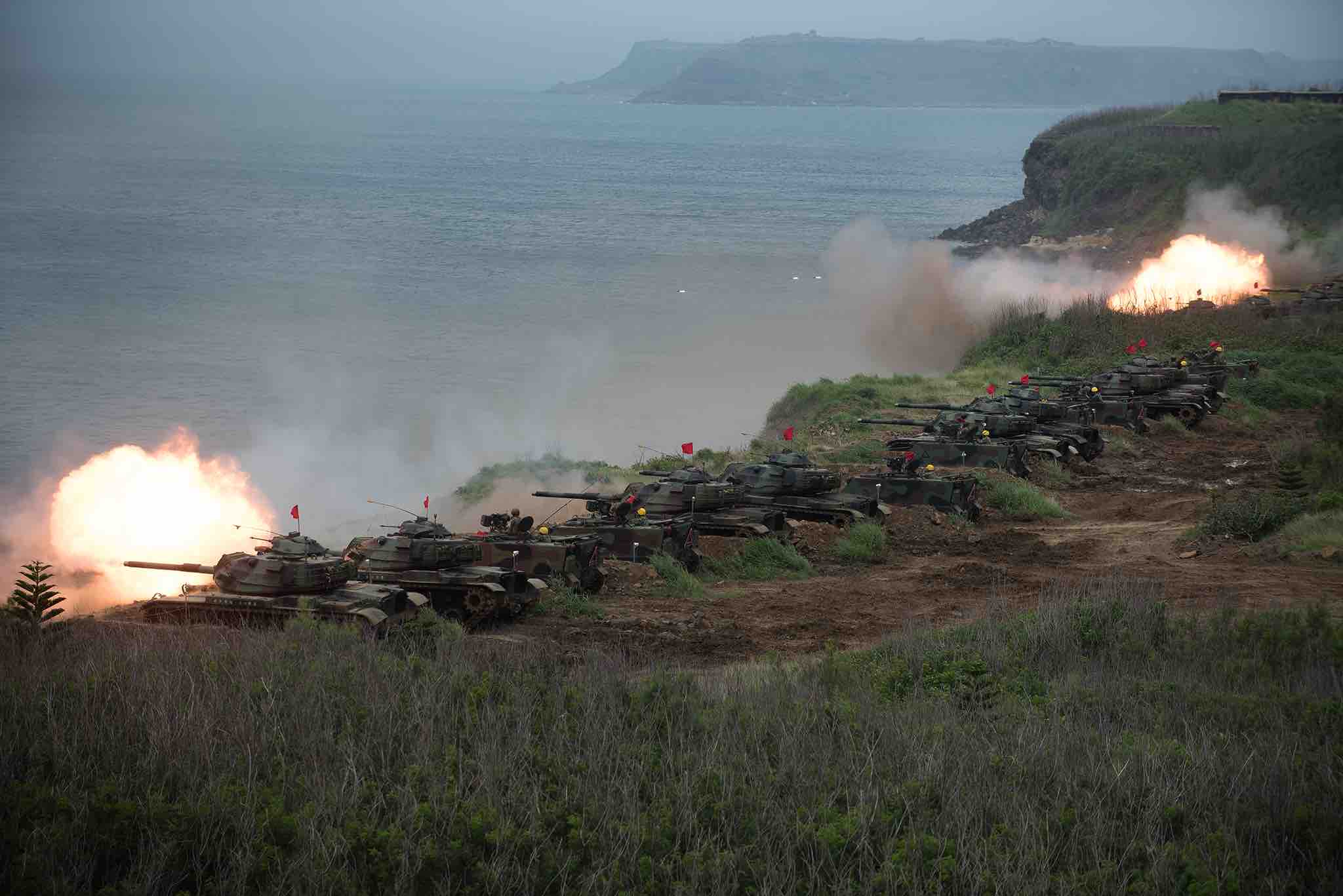
The ten-day exercise began on 5th August and is being conducted alongside urban-resilience activity. Taiwan’s official mobilisation schedule places sequential drills across southern, central, offshore, eastern and northern regions between 7th and 13th August.
Annual exercises can easily become institutional theatre. The useful measure is whether they reveal and correct practical weaknesses. This year’s emphasis on unscripted responses, drones, counter-drone operations and civilian mobilisation suggests an effort to test the difficult period after initial attack rather than rehearse an orderly set-piece battle.
Taiwan’s air bases, ports, command centres and communications would be priority targets in a conflict. Aircraft and ships that survive an opening strike must refuel, rearm, repair and return to operation while facilities remain under threat.
Rapid-turnaround drills test ground crews as much as pilots. Fuel distribution, weapons handling, runway repair and damage assessment must continue with degraded communications and fewer personnel. A sophisticated aircraft provides little deterrence if it cannot generate repeated sorties.
Dispersal is equally important. Concentrating assets at a small number of known bases gives an adversary efficient targets. Operating from alternate sites complicates attack planning but creates new logistical burdens. Fuel, spare parts and trained technicians must be available wherever forces relocate.
This year’s exercise includes a US-inspired “backbrief” method in which subordinates explain how they intend to execute an assigned mission. The practice is meant to expose misunderstandings before action and encourage initiative if contact with headquarters is lost.
Taiwan traditionally operated within a hierarchical command culture. A blockade or missile campaign could sever links and require junior leaders to act on intent rather than wait for detailed orders. That shift is organisational, not merely technical.
Exercises should therefore impose genuine communications loss and conflicting information. If headquarters continues to guide every movement, decentralised command has not really been tested.
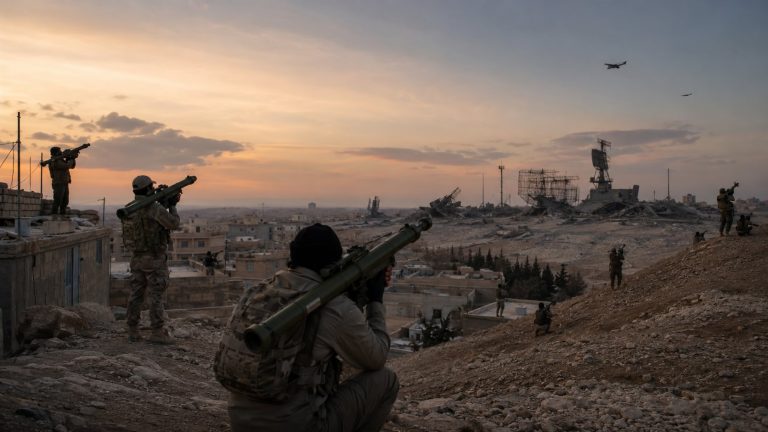
Taiwan’s defence ministry said the exercise would include unmanned and counter-unmanned operations. Drones can provide surveillance, strike exposed forces and relay communications. Their affordability allows larger numbers than traditional crewed platforms.
China possesses far greater industrial scale, so Taiwan cannot rely on matching every system. It can use mobile, expendable aircraft to complicate amphibious operations and preserve awareness around landing zones.
Counter-drone measures must also protect bases, logistics and command posts. Electronic warfare can defeat control links but may interfere with friendly systems. Guns and missiles must be allocated according to the threat’s value.
The Executive Yuan’s resilience programme integrates local government, emergency services and civilian organisations. Drills include internet disruption, evacuation, hospital relocation and transport management.
This is essential because Taiwan’s defence cannot be separated from its densely populated cities and technology economy. Power, water, communications and medical services must continue while the armed forces fight. Civilian factories may also be required to support repairs or dispersed production.
Preparedness should not be measured by participation numbers alone. Authorities need honest after-action reports on shelter access, emergency communications, medical capacity and public understanding.
Exercises are observed by China and can become demonstrations designed to reassure the public. Pre-announced scenarios allow units to prepare specifically, while safety controls reduce realism.
Taiwan can improve credibility by varying locations, using adversarial teams and recording failures. The aim is not a flawless performance but discovery of problems before a crisis.
Han Kuang remains a routine annual event. Its strategic value this year lies in the capabilities being tested: fighting through the first strike, restoring operations quickly and connecting military defence with civilian survival.
Those tasks address Taiwan’s central vulnerability. Deterrence depends not only on imposing costs during an invasion, but on convincing Beijing that the island’s command, logistics and society would continue functioning after the opening barrage.