China’s military activity around Taiwan has entered a more sustained and politically sensitive phase, with repeated air and naval operations placing pressure on Taipei while Washington reviews parts of its arms support to the island.
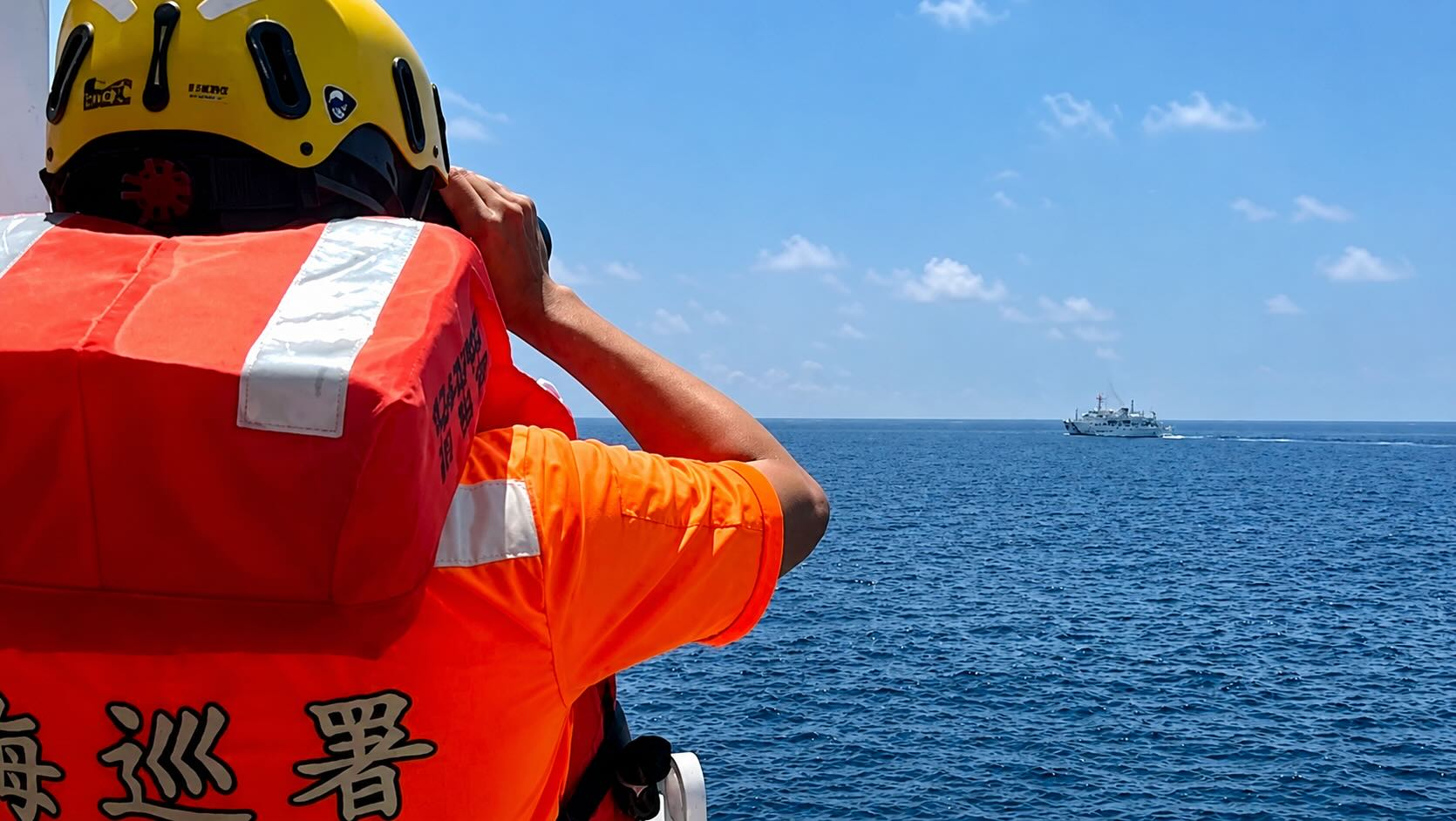
Taiwan’s Ministry of National Defence said in its latest daily military update that 29 Chinese military aircraft, seven naval vessels and one official ship had been detected around Taiwan in the 24 hours to 6am on May 26. According to the ministry, 24 of the aircraft crossed the median line of the Taiwan Strait and entered Taiwan’s northern, central, south-western and eastern air defence identification zones. Taiwan said its armed forces monitored the activity and responded with combat air patrol aircraft, naval vessels and coastal missile systems.
The figures are not an isolated event. China has increasingly treated the median line, once a practical buffer between the two sides, as a boundary it can cross routinely. A Jamestown Foundation analysis of Taiwan defence ministry data found that Chinese military aircraft crossed the Taiwan Strait median line 3,070 times in 2024, compared with 1,703 in 2023. The same analysis said the average number of daily crossings rose to 8.4 in 2024, the highest level recorded since 2021.
This pattern has created a form of constant operational pressure. Taiwan must repeatedly scramble aircraft, track naval movements, activate coastal systems and maintain readiness without knowing whether a given Chinese movement is routine pressure, a rehearsal, or a precursor to a more serious operation. The effect is cumulative: it tests command structures, personnel endurance and political decision-making.
The strategic stakes are larger than Taiwan itself. The island sits on the first island chain, the arc running from Japan through Taiwan and the Philippines. Were Beijing to gain control over Taiwan, China’s navy and air force would be in a stronger position to project power into the western Pacific. That would complicate the position of the United States and its regional allies, including Japan, South Korea and the Philippines.
Taiwan also occupies a central place in the global technology economy. The US International Trade Administration notes in its Taiwan semiconductor guide that Taiwan accounts for more than 60 per cent of global foundry revenue and more than 90 per cent of leading-edge chip manufacturing. TSMC remains the dominant producer of advanced semiconductors used by major global technology firms, including Apple, Nvidia and AMD.
A blockade, conflict or prolonged disruption in the Taiwan Strait would therefore affect far more than regional shipping. It would have consequences for artificial intelligence, defence production, consumer electronics, automotive supply chains and industrial manufacturing. In that sense, Taiwan has become both a military flashpoint and a core vulnerability in the global economy.
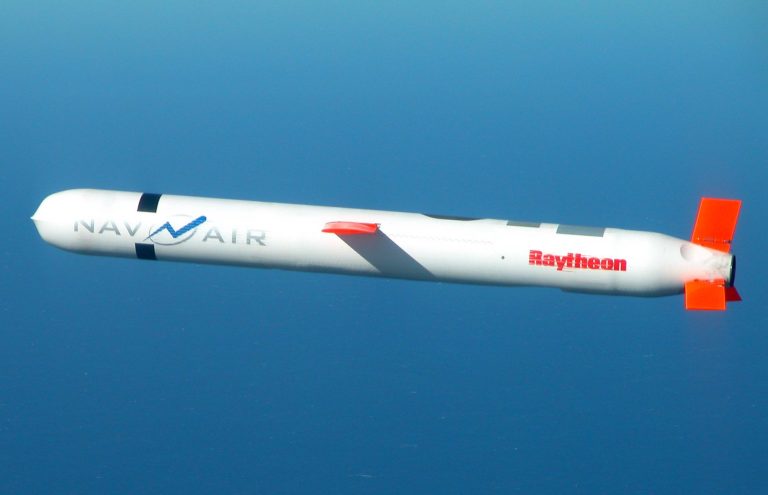
The pressure around Taiwan has coincided with uncertainty in Washington. Acting US Navy Secretary Hung Cao told Congress that a planned $14 billion arms package for Taiwan had been paused while the United States reviewed its munitions requirements connected to military operations against Iran. Taiwan’s presidential office said it had not received formal notification of a change to the arms sale. The comments were reported in detail by The Guardian.
The explanation has been questioned. In a later analysis of the pause, specialists cited by The Guardian argued that the Iran-related justification was not convincing, since major foreign military sales usually take years to process and deliver. The delay has therefore been interpreted by some analysts as part of a broader US-China calculation rather than a purely logistical issue.
For Taiwan, the timing is difficult. President Lai Ching-te has argued for stronger defence preparedness, but Taiwan’s domestic politics have slowed some parts of that agenda. The opposition-controlled legislature has challenged or reduced elements of proposed defence spending, creating a gap between the external threat environment and the pace at which Taipei can expand its own capabilities.
Beijing, meanwhile, continues to describe Taiwan as an internal Chinese matter and opposes foreign military support for the island. Taipei rejects Beijing’s sovereignty claims and maintains that the Republic of China, Taiwan’s official name, is already a sovereign political entity. Washington continues to follow its “One China” policy, while also remaining bound by the Taiwan Relations Act to provide Taiwan with the means to defend itself.
The current phase does not mean that war is inevitable. It does, however, increase the risk of miscalculation. Frequent military movements, shorter reaction times, uncertainty over US arms deliveries and political division in Taipei all reduce the margin for error. In the Taiwan Strait, a collision, a misread signal or an accidental exchange could rapidly become a wider crisis.
For Europe, the issue is not distant. Taiwan is central to advanced semiconductor production, while the credibility of US deterrence in Asia has implications for the wider international security system. A serious crisis in the Taiwan Strait would affect trade, technology, defence planning and transatlantic policy. It would also test whether Washington can manage simultaneous pressure in Europe, the Middle East and the Indo-Pacific.