It is, in truth, a confident statement about the enduring strength of the transatlantic alliance—and a reminder that, in an increasingly uncertain world, cooperation between trusted partners remains the West’s greatest strategic asset.
At its heart, the proposed deal—centred on advanced AEGIS-based integrated combat systems, radars and associated support—reflects a shared recognition that security in the 21st century is both collective and technologically sophisticated. Germany, long a cornerstone of European stability, is seeking to equip up to eight naval vessels with cutting-edge systems capable of detecting, tracking and neutralising modern threats.
That ambition should not be viewed through a narrow militaristic lens. Rather, it represents the logical evolution of a nation stepping forward to shoulder greater responsibility within NATO. For years, Berlin has faced criticism—sometimes justified—for underinvestment in defence. Today, however, the Federal Republic appears determined to match its economic weight with credible military capability, contributing meaningfully to the collective security of Europe.
The United States’ approval of the sale underscores this shift. By endorsing the transfer, Washington is not merely exporting hardware; it is strengthening interoperability between allied forces. The systems in question are designed to integrate seamlessly with American and NATO platforms, ensuring that German naval assets can operate in lockstep with their partners in times of crisis.
This is no small matter. In an era defined by hybrid threats, cyber warfare and rapidly evolving missile technologies, the ability to share data, coordinate responses and act as a unified force is indispensable. The proposed systems will enable German vessels to detect threats earlier, respond more effectively and communicate in real time with allied fleets—capabilities that enhance not only national defence, but regional stability as a whole.
Critically, the deal also highlights the continued vitality of the Western defence industrial base. With principal contractors including Lockheed Martin and RTX, the agreement reflects a deep and mutually beneficial industrial partnership. American firms bring decades of technological expertise, while European allies provide both demand and strategic alignment, sustaining an ecosystem that underpins innovation on both sides of the Atlantic.
There is, too, an economic dimension that should not be overlooked. Large-scale defence procurements such as this one support high-skilled jobs, drive research and development, and reinforce supply chains across multiple countries. In a global economy where technological leadership is increasingly contested, such collaborations serve to keep the West at the forefront of innovation.
Moreover, the timing of the agreement is significant. The geopolitical climate remains unsettled, with tensions in multiple regions underscoring the importance of preparedness. Against this backdrop, the willingness of Germany to invest in advanced capabilities—and of the United States to facilitate that investment—sends a clear signal of resolve. It reassures allies and deters adversaries, demonstrating that NATO’s core members remain committed to maintaining a credible defence posture.
Importantly, this is not an isolated development. Germany has, in recent years, embarked on a broader programme of military modernisation, encompassing missile defence, air capabilities and ground systems. The integrated combat system acquisition fits neatly into this wider strategy, forming part of a coherent effort to ensure that the Bundeswehr is equipped for the challenges of the coming decades.
Some may question the scale of the expenditure, particularly at a time when public finances are under pressure. Yet such concerns, while understandable, risk overlooking a fundamental truth: security is the foundation upon which prosperity rests. Without it, economic growth, political stability and social cohesion are all placed in jeopardy. Investment in defence, therefore, should be seen not as a cost, but as an essential safeguard.
Equally, it is worth noting that the sale remains subject to Congressional oversight in the United States, a process that reflects the transparency and accountability inherent in democratic systems. Far from being a weakness, this scrutiny strengthens the legitimacy of the agreement, ensuring that it aligns with broader policy objectives and public interest.
Ultimately, the proposed $11.9 billion deal stands as a testament to the resilience and adaptability of the transatlantic partnership. It demonstrates that, even amid shifting global dynamics, the United States and Germany continue to find common cause in the pursuit of shared security and stability.
In a world often characterised by fragmentation and rivalry, that is no small achievement. On the contrary, it is a quiet but powerful affirmation that the West, when it acts together, retains both the will and the means to shape its own destiny.
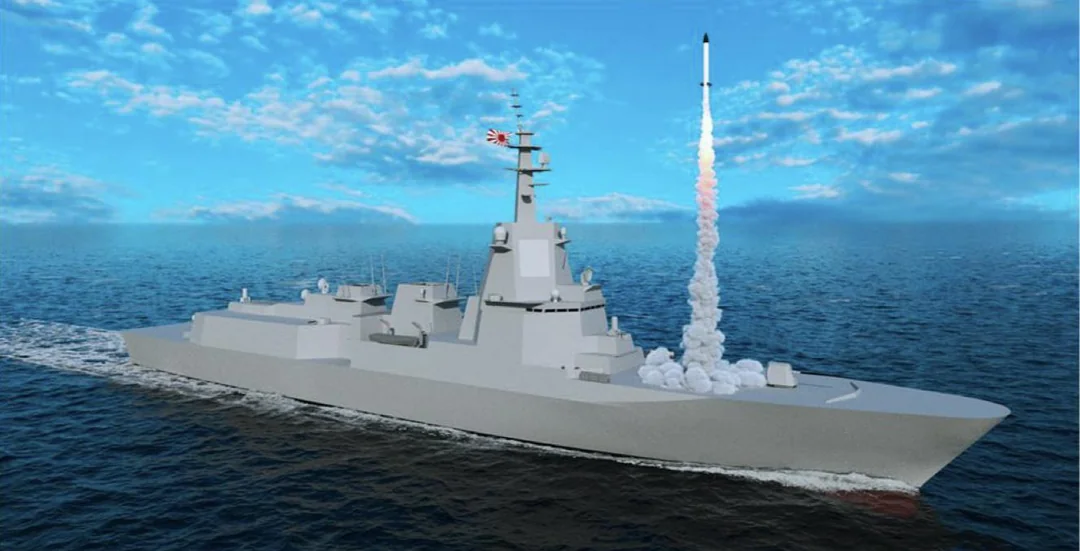
Main Image: Aegis concept image