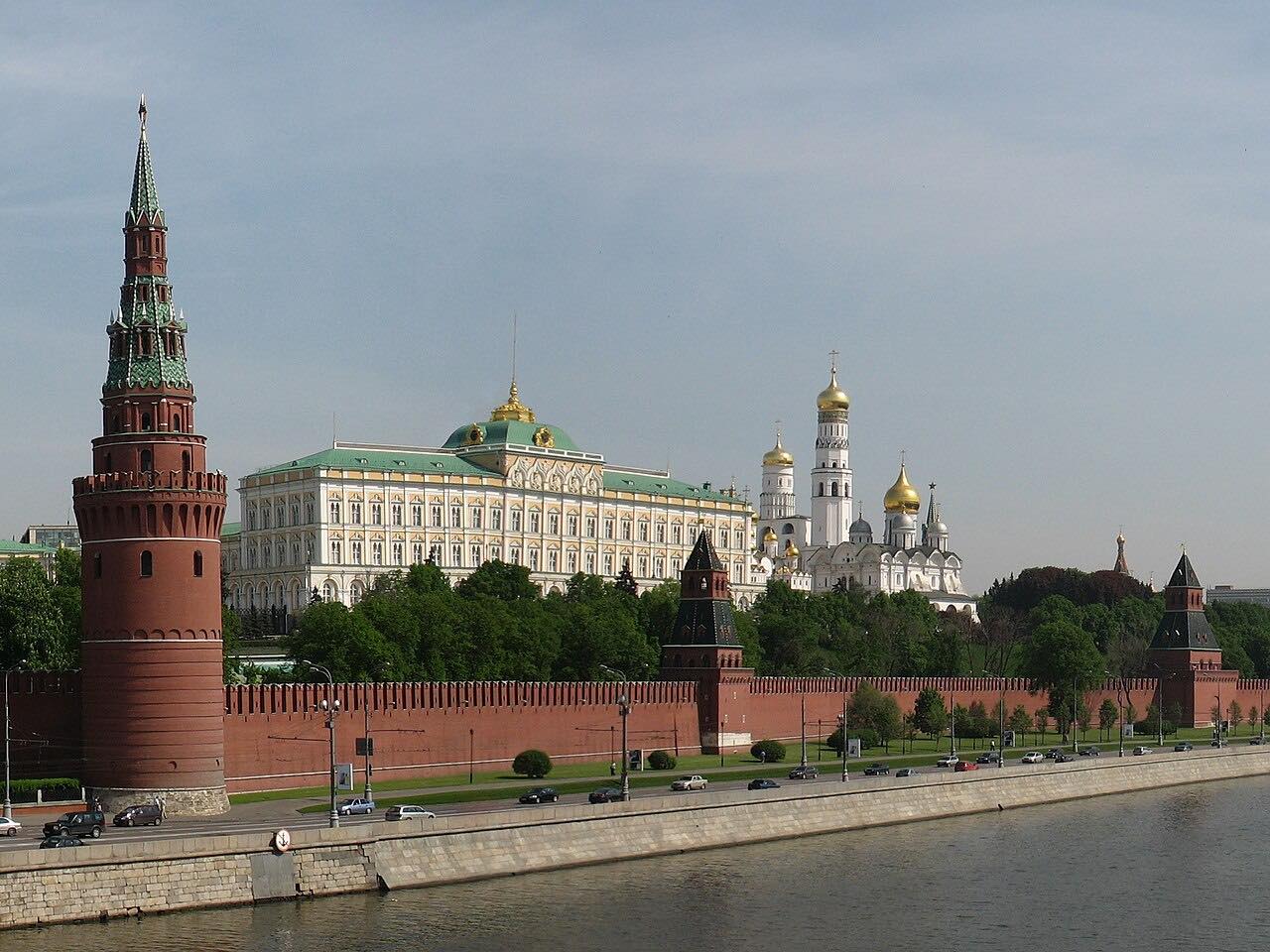
According to Reuters report on the expulsion, Russia’s Federal Security Service (FSB) accused the unnamed diplomat of espionage and ordered their removal. As has become almost routine in such cases, the British government dismissed the claims outright, describing them as “malicious and baseless,” while signalling that a response was under consideration.
This is not an isolated incident. Rather, it is part of a familiar tit-for-tat pattern. Only weeks earlier, London expelled a Russian diplomat in retaliation for a similar move by Moscow, underscoring how espionage allegations now function as both a tool of statecraft and a signal of deteriorating relations.
The current dispute reflects a broader collapse in relations that has been gathering pace for over a decade. Since 2014—and decisively after the 2022 invasion of Ukraine—Russia and the UK have moved from wary engagement to outright hostility.
Espionage accusations have become central to that breakdown. Western intelligence agencies have long argued that a significant proportion of Russian diplomats stationed abroad are, in fact, intelligence officers operating under official cover. By 2022, European governments had expelled hundreds of Russian officials suspected of espionage, dealing what British intelligence described as a significant blow to Moscow’s spy networks.
Yet Russia has responded in kind, frequently accusing Western diplomats of similar activities—often without providing evidence. The result is a steady erosion of diplomatic presence on both sides, with embassies operating under increasing strain.
Britain has long been a focal point for Russian intelligence activity. During the Cold War, London was one of the principal battlegrounds for Soviet espionage, a status it has retained into the modern era.
The most dramatic recent example came in 2018 with the poisoning of former Russian intelligence officer Sergei Skripal in Salisbury. The attack, carried out using a military-grade nerve agent, prompted the UK to expel 23 Russian diplomats identified as undeclared intelligence officers.
That move triggered a coordinated international response, with nearly 30 countries following suit—one of the largest collective expulsions of suspected spies in modern history. It also cemented the UK’s role as one of the Kremlin’s primary adversaries in the intelligence sphere.
Even before Salisbury, Britain had repeatedly exposed Russian espionage networks. In recent years, cases have included individuals convicted under the Official Secrets Act, as well as foreign nationals accused of operating spy rings on behalf of Moscow.
While today’s headlines are shaped by the war in Ukraine and cyber warfare, the underlying dynamics are strikingly familiar. During the Cold War, expulsions of diplomats suspected of espionage were commonplace, often escalating into broader diplomatic crises.
One such case involved Soviet naval attaché Anatoly Zotov, expelled from the UK amid accusations of spying. The Soviet Union responded by expelling British officials in return—a pattern that has changed little over the decades.
Indeed, the language used today—“undeclared intelligence officer,” “subversive activity,” “national security threat”—would not have sounded out of place in the 1970s or 1980s.
What has changed is the scope and sophistication of intelligence operations. Today’s espionage is not confined to human agents embedded in embassies. It spans cyberattacks, disinformation campaigns, and the use of so-called “illegals”—deep-cover operatives living under false identities.
Western officials warn that Russian intelligence has adapted to setbacks by shifting towards these harder-to-detect methods. The mass expulsion of diplomats since 2022 may have disrupted traditional networks, but it has also driven espionage activity into new domains.
At the same time, accusations of spying have become a political tool. By publicly naming and expelling diplomats, governments can send a message—both domestically and internationally—without crossing the threshold into direct confrontation.
The latest expulsion is unlikely to be the last. Each move invites retaliation, and each retaliation deepens the mistrust that fuels further action.
For diplomats on the ground, the consequences are immediate: reduced staffing, tighter surveillance, and an ever-present risk of being declared persona non grata. For governments, the stakes are higher still. Diplomatic expulsions may seem symbolic, but they limit channels of communication at a time when dialogue is already scarce.
As relations between London and Moscow continue to deteriorate, espionage—real or alleged—will remain both a cause and a symptom of that decline. The Cold War may be long over, but in the shadowy world of intelligence, its logic endures.