Russia and Ukraine have intensified attacks on each other’s infrastructure, with Moscow striking Ukraine’s Danube port city of Izmail and Russian authorities reporting further Ukrainian drone attacks directed towards Moscow and other regions.
The latest exchange underlines the extent to which the war is now being fought not only along the front line, but also through ports, refineries, transport corridors, air-defence networks and industrial sites. Both sides are seeking to disrupt the systems that sustain military operations and generate economic resilience.
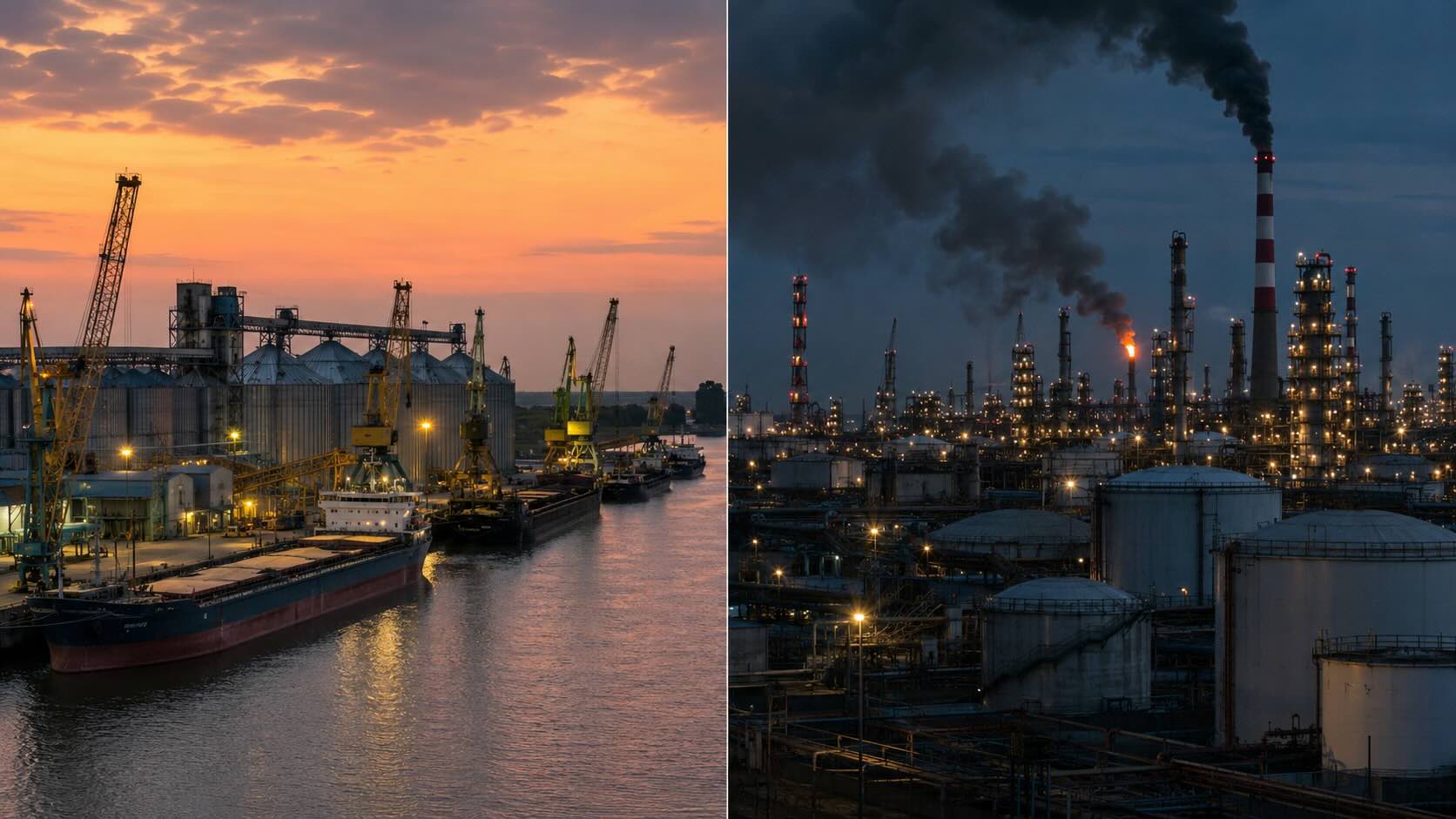
A Russian air attack damaged port infrastructure in Izmail, Ukraine’s largest Danube River port, in the early hours of Tuesday. The city, in the Odesa region, has become a recurring target because of its role in Ukrainian trade and logistics after Russia’s pressure on Black Sea routes. According to reporting on the attack, local officials said there were no casualties and no major destruction, but port facilities were hit.
Izmail’s importance is partly geographic. It sits on the Danube across from Romania, a NATO and EU member state. Since Russia’s full-scale invasion of Ukraine, the Danube route has become a vital alternative for Ukrainian exports, including grain and other goods, when Black Sea shipping has been disrupted. Attacks in this area therefore carry wider significance for trade, insurance, regional security and the proximity of the war to NATO territory.
At the same time, Russia’s defence ministry said it had intercepted four Ukrainian drones flying towards Moscow. Russian officials also reported drone incidents in Kursk, Rostov and Yaroslavl regions. One person was reported killed in Kursk, while industrial damage was reported in Yaroslavl. The claims could not be independently verified in full, but they fit a broader pattern of Ukrainian drone operations reaching deeper into Russian territory.
The exchange followed a weekend of intensified strikes. Russia hit Odesa and Dnipro with drones and missiles, damaging residential buildings and injuring civilians, while Russian officials reported Ukrainian drone attacks inside Russia. Reuters reported that the attacks formed part of a wider escalation in long-range and cross-border strikes.
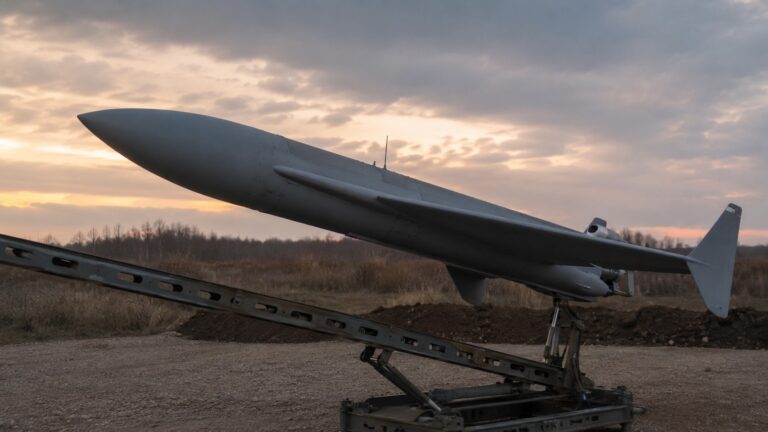
Ukraine has increasingly used drones to target Russian energy and military infrastructure. Kyiv says these attacks are intended to weaken Russia’s capacity to sustain the war by disrupting fuel production, logistics and military-industrial supply. Ukrainian President Volodymyr Zelenskyy has said Russia has lost around 10 per cent of its refining capacity in recent months, although the full scale of damage to Russian energy infrastructure is difficult to verify independently.
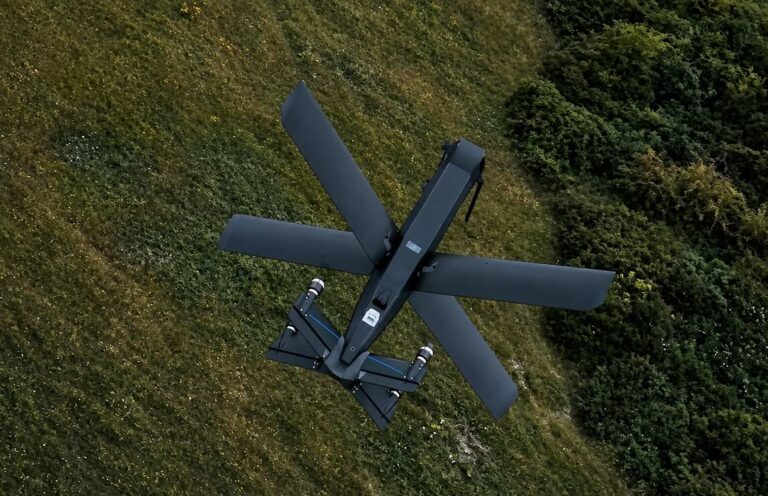
The latest attacks also coincide with evidence that Ukraine’s drone campaign is becoming more structured across different ranges. Mid-range Ukrainian drones, operating between frontline systems and long-range strike platforms, are being used to hit Russian logistics, radar systems, air-defence positions and command nodes. According to separate reporting on Ukraine’s mid-range strike capability, these systems are increasingly being used to create pressure behind Russian lines and support longer-range attacks on energy infrastructure.
For Russia, this creates a layered defence problem. Moscow must defend the front, rear logistics, air bases, oil infrastructure, industrial plants and major urban centres. Even when drones are intercepted, the cost of constant air-defence activity, repairs and dispersal of assets adds pressure. Russia’s defence ministry has claimed it destroyed more than 3,000 Ukrainian drones in a week, a figure carried by Russian state media and reported by Reuters. The figure has not been independently confirmed, but it indicates the scale of the aerial contest.
For Ukraine, the infrastructure war is both defensive and economic. Russian strikes on ports, energy facilities and civilian infrastructure are intended to reduce Ukraine’s ability to export, receive supplies and sustain public services. Ukrainian strikes inside Russia aim to raise the cost of Moscow’s campaign by targeting fuel, logistics and military production.
The danger is that this pattern becomes self-reinforcing. As Russia strikes Ukrainian ports and energy sites, Ukraine has fewer incentives to limit attacks on Russian refineries and industrial facilities. As Ukraine expands drone operations inside Russia, Moscow is likely to continue large-scale attacks on Ukrainian urban and economic infrastructure.
For Europe, the immediate concern is the Danube and Black Sea theatre. Attacks near Romania’s border, pressure on Ukrainian exports and damage to port infrastructure all affect European security interests. The Danube route has become part of Ukraine’s economic survival, and instability there has consequences for food exports, transport costs and regional risk.