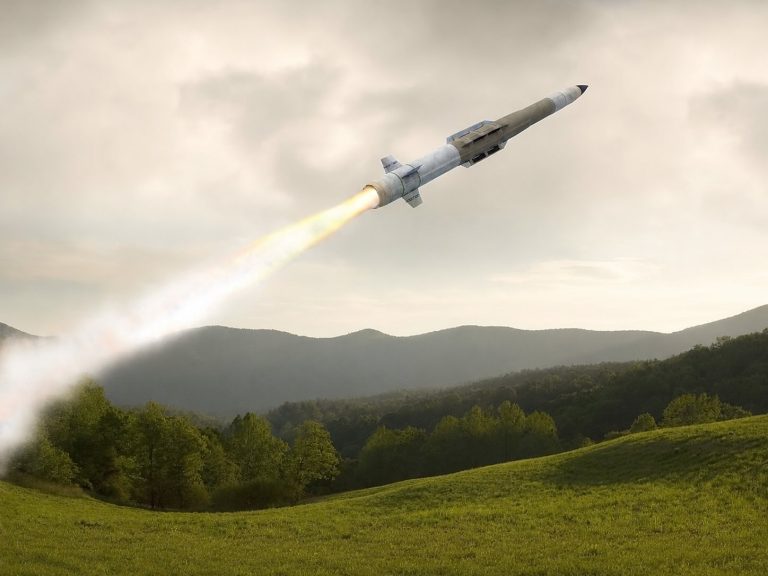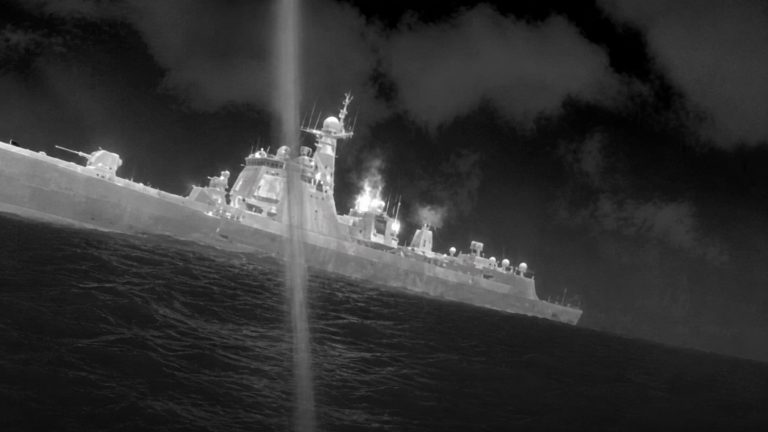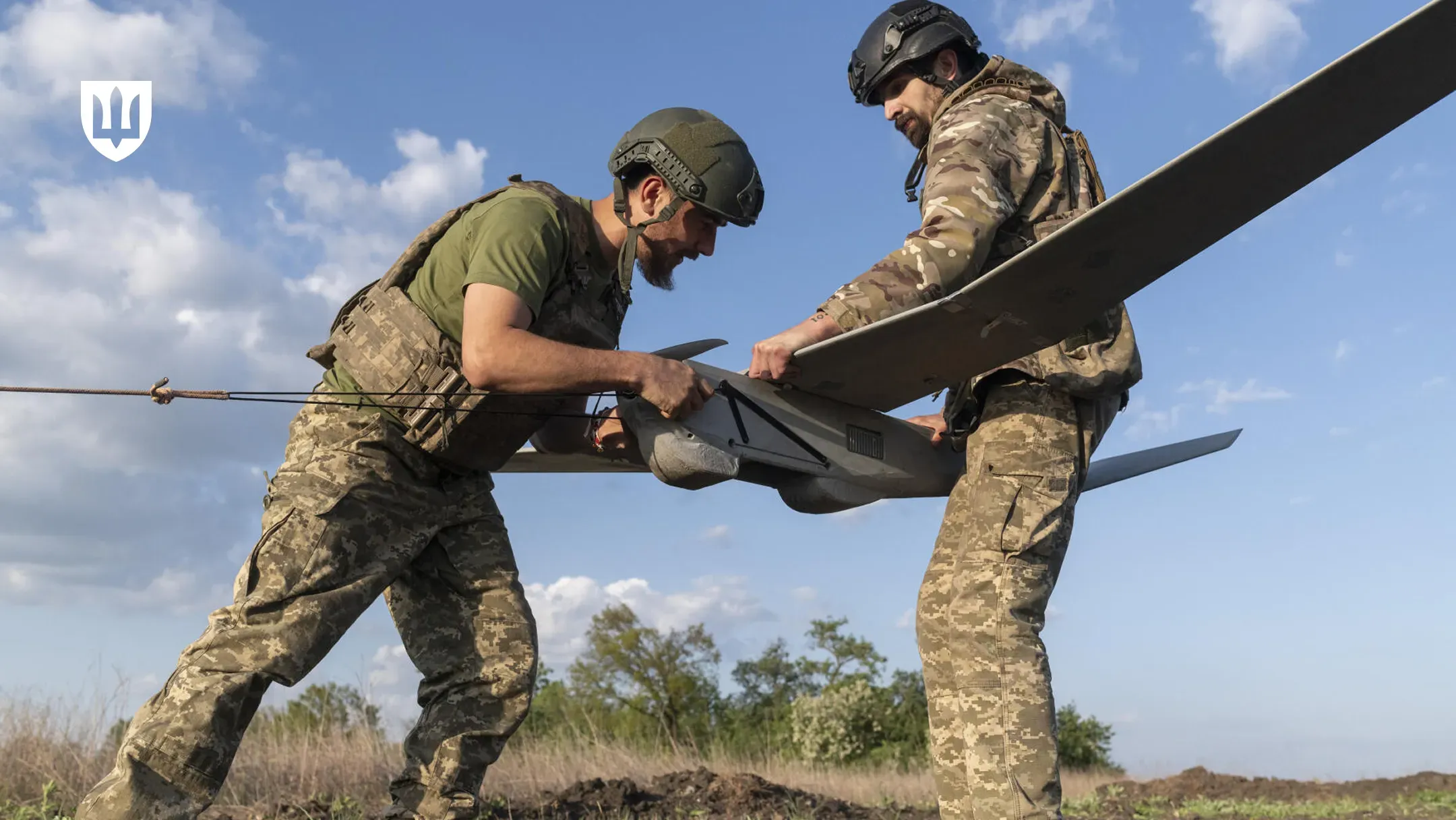
Ukraine’s newest mid-range attack drones are beginning to fill a battlefield role once associated mainly with HIMARS, GMLRS rockets and ATACMS: striking Russian targets beyond the front line without spending scarce Western-supplied precision missiles.
According to Business Insider, Ukrainian forces are using a growing class of systems with ranges roughly between 30 and 300 kilometres to hit targets that previously required more limited and politically sensitive missile stocks. The development does not mean drones are replacing HIMARS or ATACMS outright. It means they are taking over some of the strike functions those systems have performed when available.
That distinction matters. HIMARS remains valuable because of its precision, speed, survivability and integration into Ukrainian targeting. ATACMS offers a range and warhead effect that drones cannot simply duplicate. But Ukraine’s war has shown that the decisive question is often not whether a system is better in isolation. It is whether it can be used often enough, cheaply enough and flexibly enough to pressure Russia’s rear.
Mid-range drones sit between short-range tactical systems and the long-range strike drones used against Russian oil facilities, air bases and industrial targets far from the front. Their value lies in the zone that is deep enough to matter operationally, but close enough for regular battlefield use.
That zone includes ammunition depots, command posts, logistics hubs, electronic-warfare sites, vehicle parks, air-defence positions, bridges, rail nodes and troop concentrations. These are not always targets worth an expensive missile, especially when stocks are constrained. But they are exactly the kinds of targets that can shape the pace of a campaign if hit repeatedly.
Ukraine’s use of such systems reflects a broader adaptation. Where Russia has mass, Ukraine has tried to build precision, persistence and asymmetry. A drone that costs far less than a guided rocket can be sent against targets that would otherwise be left untouched, especially if the expected effect is disruption rather than destruction.
The war has made missile scarcity a central planning problem. Western-supplied rockets and long-range missiles are powerful, but they are limited by production rates, political decisions, delivery schedules and stockpile concerns among donor states. Ukraine cannot assume that every worthwhile Russian target will justify one of its most valuable munitions.
Mid-range drones change that calculation. They offer a lower-cost way to impose recurring pressure on Russian rear areas. They may be slower, more vulnerable and less destructive than missiles, but their economics allow Ukrainian commanders to attack more frequently and to reserve missiles for targets that require speed, payload or reliability.
This is why the comparison with HIMARS must be handled carefully. Drones are not a direct substitute for a rocket artillery system. They are part of a layered fires architecture. If missiles provide high-confidence strikes against high-value targets, drones can widen the target set and increase the tempo of harassment, interdiction and disruption.
That layered approach is becoming one of Ukraine’s most important operational lessons for Europe. A force that relies only on exquisite missiles risks running out of options. A force that combines missiles, cheap drones, longer-range one-way attack systems and electronic warfare can keep pressure on an adversary even when premium munitions are scarce.
The rise of mid-range drones also changes how Russia must defend its own depth. Every depot, headquarters and logistics node within a few hundred kilometres of the front becomes more exposed. Russia can respond by dispersing, hardening, camouflaging and moving assets, but those adaptations carry costs of their own.
This is the same logic visible in Ukraine’s wider strike campaign. Defence Matters has reported on Ukraine’s targeting of industrial nodes such as Crimea Titan, and on how Ukraine’s distributed defence production model challenges Europe’s factory assumptions. The mid-range drone trend connects both ideas: survivable production and cheaper strike systems are changing what sustained warfare looks like.
For Russia, the problem is not one drone. It is the cumulative effect of many systems forcing defensive attention across a broad area. Air-defence units, electronic-warfare teams and logistics officers must respond to a growing range of threats, not just to missile launches or aircraft.
Europe should not draw the simplistic conclusion that drones make missiles unnecessary. The opposite is true. Ukraine’s experience shows that modern armies need both. Missiles remain essential for hardened, urgent or heavily defended targets. Drones provide mass, persistence and a way to stretch an adversary’s defences.
The more useful lesson is that European deep-fires planning cannot be built only around small numbers of expensive systems. NATO armies will need cheaper strike options in depth, larger munition inventories, faster procurement cycles and industrial models that can scale during war.
That has implications for doctrine as well as industry. Commanders must learn how to integrate drone strikes with artillery, missiles, electronic warfare, intelligence feeds and ground manoeuvre. Procurement systems must also adapt to weapons that evolve quickly and may be replaced in months rather than decades.
Ukraine’s mid-range drones are therefore not only a Ukrainian battlefield innovation. They are a warning to European planners. In a high-intensity war, range matters. So does cost. The side that can strike often, adapt quickly and preserve scarce premium weapons for decisive targets will have a major advantage.
The deep-strike future is not only about the longest-range missile. It is about building a portfolio of fires that can survive attrition, overwhelm defences and keep pressure on an enemy’s rear every day of the war.