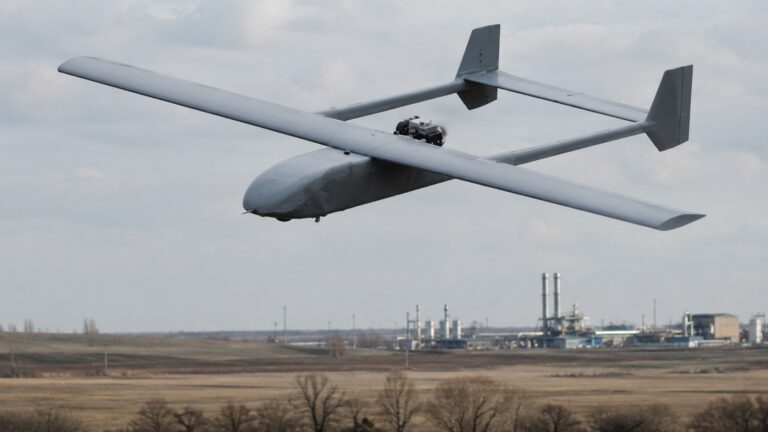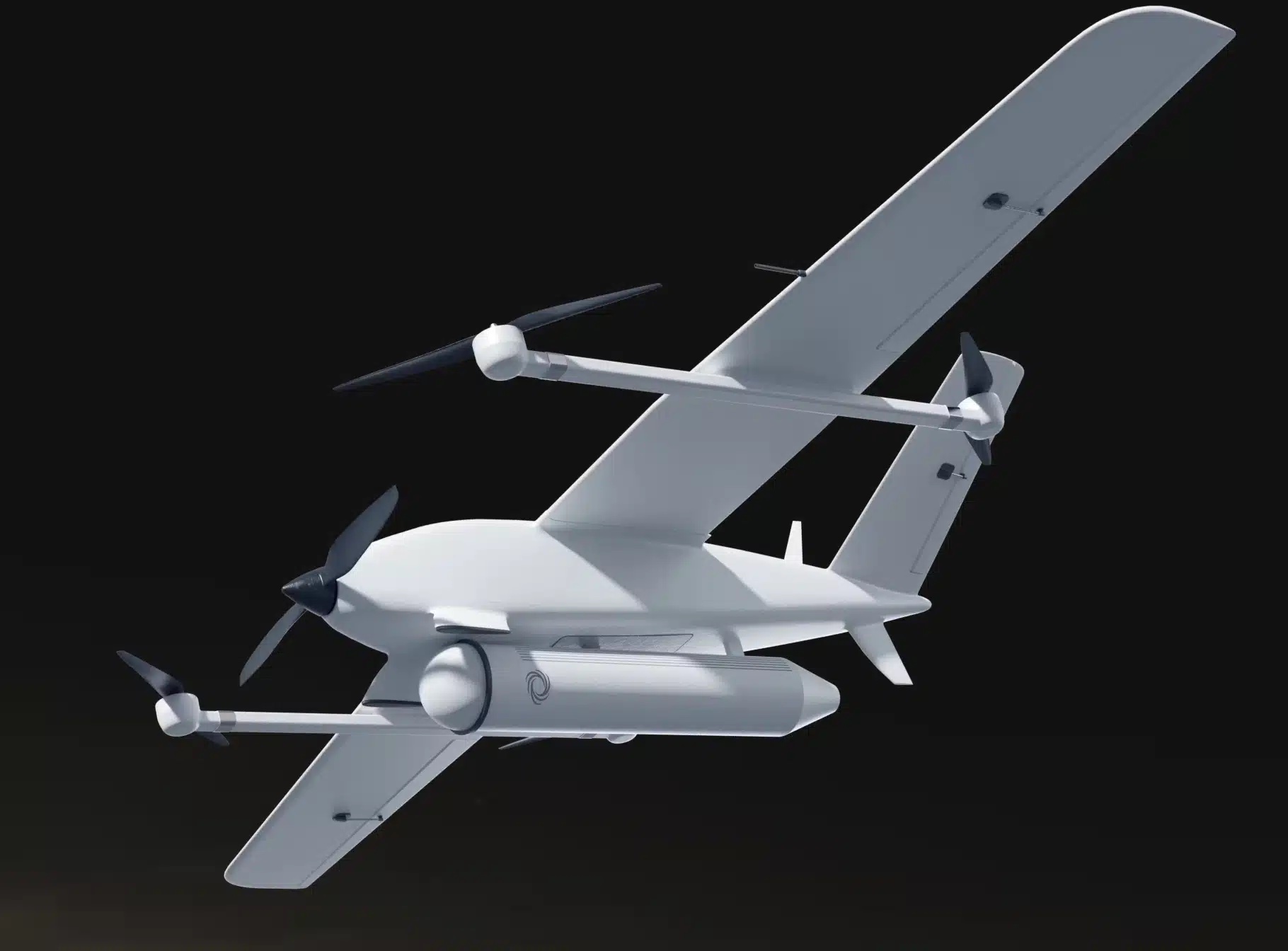
The agreement, announced on Tuesday, places one of Europe’s fastest-growing defence start-ups at the centre of France’s effort to modernise its armed forces. It also underlines how rapidly drones and artificial intelligence have moved from niche capabilities to essential components of military power.
For Europe, which has spent much of the past decade seeking greater strategic autonomy, the significance extends well beyond the delivery of unmanned aircraft. The contract reflects a growing determination among European governments to build sovereign defence capabilities rather than rely excessively on imported systems or technologies developed elsewhere.
Harmattan AI has become one of the most closely watched companies in Europe’s defence technology sector. Founded only recently, the Paris-based group has expanded at remarkable speed, attracting substantial private investment and forging a strategic partnership with Dassault Aviation, the manufacturer of the Rafale fighter aircraft. Earlier this year, a funding round led by Dassault valued the company at approximately $1.4bn, making it one of the continent’s most prominent defence technology champions.
The latest order follows an earlier programme under which Harmattan delivered 1,000 drones to the French military. That deployment demonstrated both the company’s manufacturing capability and the French government’s willingness to accelerate acquisition processes in response to changing battlefield realities.
Those realities have been shaped most dramatically by the war in Ukraine. The conflict has transformed perceptions of military technology, highlighting the decisive role that relatively inexpensive drones can play in reconnaissance, targeting, electronic warfare and precision strikes. European governments have watched closely as unmanned systems evolved from supporting assets into indispensable battlefield tools.
France’s decision therefore represents an effort to stay ahead of a profound technological shift. Rather than treating drones as supplementary equipment, Paris increasingly views them as an integral element of future force structures.
Equally important is the growing role of artificial intelligence. Harmattan’s systems are designed around autonomous and AI-enabled capabilities that can assist operators, process vast amounts of battlefield information and improve operational responsiveness. Such technologies are expected to become increasingly important as armed forces confront more complex and data-intensive environments.
The partnership between Harmattan and Dassault also offers a glimpse of how Europe’s defence ecosystem is evolving. Traditional defence primes and agile technology start-ups are moving closer together, combining industrial scale with software-driven innovation. The collaboration is expected to contribute to future French combat aviation programmes, including the Rafale F5 standard and next-generation unmanned combat systems.
For policymakers, the development offers evidence that Europe can nurture globally competitive defence technology companies. Venture capital investment in European defence innovation has accelerated sharply over the past two years, reflecting a broader recognition that security and technological leadership are increasingly intertwined.
The order may also provide a boost to France’s industrial base. Expanding drone production requires advanced manufacturing, software engineering, electronics integration and supply-chain development. In a sector where scale increasingly matters, government contracts can help create the conditions for sustained growth and export competitiveness.
There is also a wider geopolitical message. As Europe confronts an increasingly uncertain security environment, investment in domestic defence innovation is becoming a strategic imperative rather than an optional policy objective. Governments are seeking capabilities that can be developed, maintained and upgraded within Europe itself.
France’s commitment to Harmattan AI therefore represents far more than the purchase of 5,000 drones. It signals confidence in a new generation of European defence technology companies and reinforces the belief that innovation, industrial capacity and strategic autonomy must advance together.
In an era defined by technological competition and evolving security threats, that may prove to be the most important aspect of the deal.
UK Drone Package Shows Frozen Russian Assets Moving Into Ukraine’s War Economy