Mark Rutte's meeting with Donald Trump before the Ankara summit is a test of whether NATO can keep the US committed while Europe tries to prove that higher defence spending is becoming capability.
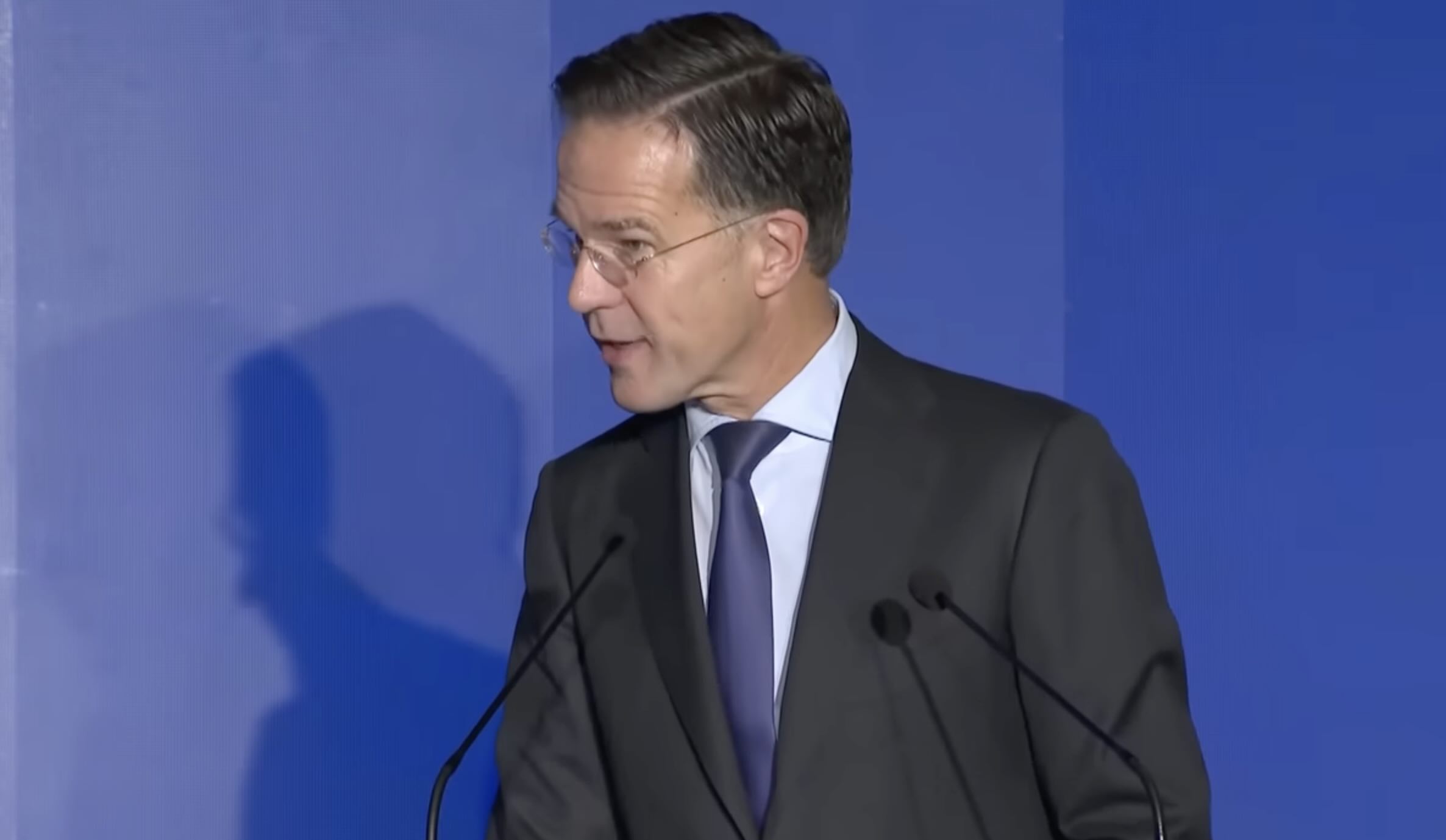
NATO Secretary General Mark Rutte’s White House meeting with Donald Trump has turned the run-up to the July NATO summit into a test of transatlantic political management.
Reuters reported that Rutte was meeting Trump before the 7-8 July summit in Ankara, amid US criticism of European allies and a review of American troop deployments in Europe. The meeting gives NATO a concrete deadline: keep Washington engaged while persuading European governments that higher defence spending must translate into deployable capability.
AP described Rutte as NATO’s “Trump whisperer”, noting that the secretary general has used personal diplomacy to keep the US president invested in the alliance. That approach may buy time, but it also underlines how much NATO’s summit agenda now depends on the politics of one allied capital.
The Ankara summit was already expected to focus on defence spending, Ukraine support, industrial capacity and European readiness. The White House meeting adds a sharper question: will the United States remain committed to Europe’s defence on terms allies can plan around?
Trump’s criticism of European allies has revived doubts about US force posture, burden-sharing and Washington’s willingness to defend allies perceived as spending too little. Even if formal US commitments remain in place, uncertainty itself affects European planning.
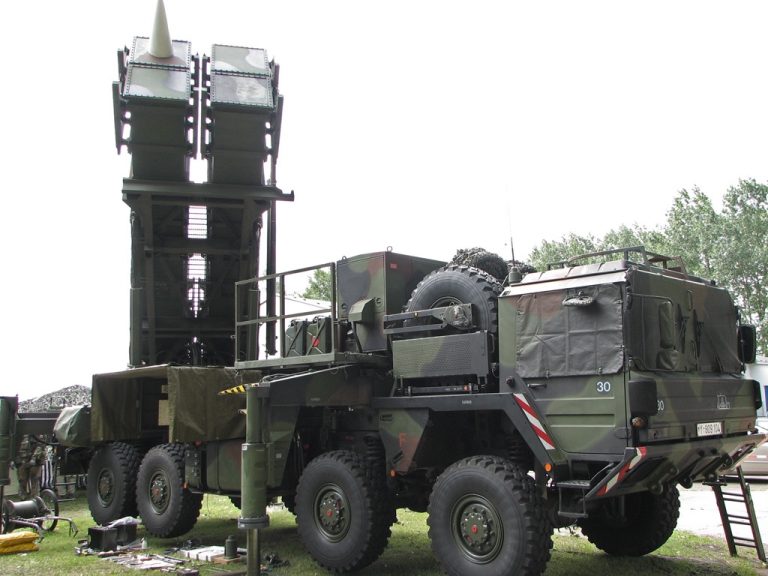
The issue is not simply whether NATO members promise higher spending. It is whether they can turn spending into munitions, air defence, logistics, deployable brigades, maritime capacity and industrial production.
Rutte’s task is delicate. He must keep Trump close enough to sustain US engagement, while avoiding the impression that NATO strategy is being shaped by flattery rather than collective planning.
Axios reported that Europe is bracing for Trump’s anger over NATO and Iran, with US frustration focused on European reluctance to back American operations and on the wider cost of defending Europe. That context makes Rutte’s White House visit more than a courtesy call.
The secretary general is trying to manage two audiences at once. In Washington, he must show that Europe is responding to US pressure. In Europe, he must reassure allies that NATO is not becoming a transactional arrangement in which security guarantees depend on presidential mood.
Ukraine will sit behind almost every summit discussion. Continued support for Kyiv depends on US equipment, intelligence, air defence and political cover. European allies have increased their commitments, but they have not yet replaced the strategic weight of American support.
At the same time, the US review of deployments in Europe raises practical questions. If Washington reduces or repositions forces, European governments will need to fill gaps faster than many procurement systems can manage.
That is why the summit risk is now political as much as military. NATO’s deterrence posture depends not only on plans and exercises, but on confidence that allies will show up when needed.
Europe’s answer cannot be rhetorical. Higher spending targets will matter only if they produce usable capability. That means ammunition stockpiles, air and missile defence, long-range fires, logistics, cyber resilience, naval capacity and hardened infrastructure.
Defence Matters has recently examined how European defence procurement is being forced from pledges into delivery, from naval programmes to land systems and fighter cooperation. Rutte’s visit fits that same pattern. The United States is asking whether Europe can carry more of the load. Europe is trying to show that it can, while still needing US strategic backing.
The danger is that Ankara becomes a summit of political reassurance without operational clarity. If leaders agree broad statements but fail to define credible delivery paths, US doubts will remain.
Rutte’s White House visit may help lower the temperature before the summit. But it cannot solve the underlying problem. NATO is trying to adapt to a world in which Russia remains the main European military threat, Ukraine requires sustained support, and the United States is less predictable than allies had assumed.
That means Ankara will be judged by more than communiqués. It will be judged by whether the alliance can align spending, force posture and industrial capacity with the threats it describes.
For Rutte, the immediate challenge is to keep Trump inside the tent. For Europe, the longer challenge is to make itself harder to pressure.