For much of the past four years, Ukraine has been viewed primarily as a consumer of Western military assistance. Increasingly, however, it is becoming something else: a source of innovation that could help reshape Europe’s security architecture for decades to come.
The latest evidence comes from Kyiv-based defence technology company Fire Point, which says it aims to begin producing a new ballistic missile interceptor before the end of this year as part of an ambitious pan-European air defence initiative. The project, known as Freyja, represents more than another weapons programme. It is emblematic of the remarkable transformation of Ukraine’s defence-industrial base under the pressures of war.
The strategic logic is compelling. Europe faces an increasingly acute shortage of missile defence capacity at a time when ballistic missile threats are proliferating. Existing systems, including the widely respected Patriot platform, remain in high demand worldwide, while production capacity struggles to keep pace with growing geopolitical tensions. Analysts have warned that shortages of interceptor missiles have exposed vulnerabilities not only in Ukraine but across allied nations.
Against that backdrop, Ukraine’s emergence as a developer rather than merely a recipient of advanced military technology deserves close attention.
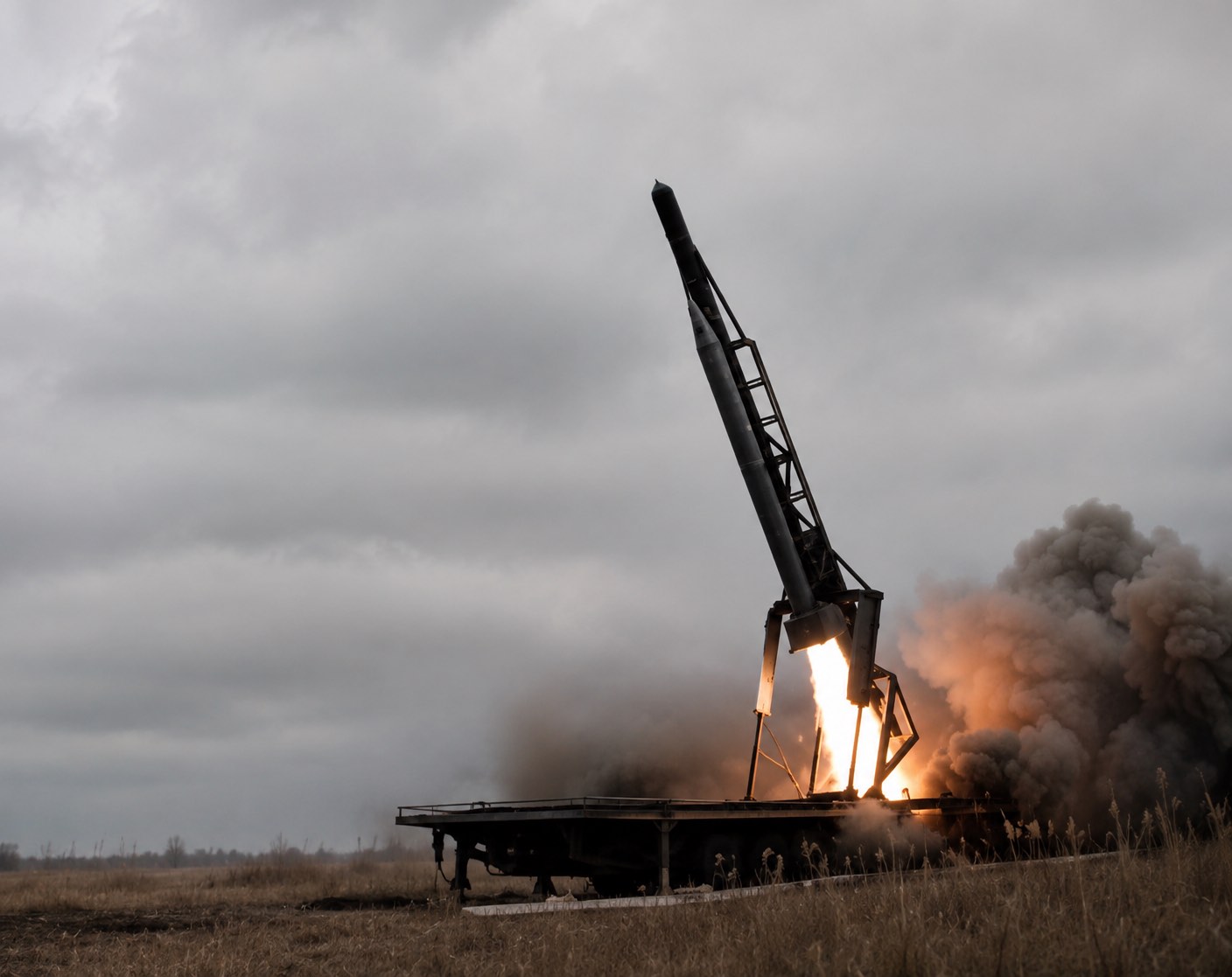
Fire Point’s proposed interceptor, designated FP-7.X, is intended to form the backbone of a European missile defence system capable of countering sophisticated ballistic threats. The company has already conducted successful testing of the missile platform and is now accelerating development in cooperation with European industrial partners. Germany’s Hensoldt is providing advanced radar technology, while discussions continue with additional European suppliers for seeker and guidance systems.
What makes the project particularly noteworthy is its European character. Rather than relying entirely on imported technology from outside the continent, Freyja seeks to combine Ukrainian battlefield experience with European industrial expertise. In an era when strategic autonomy has become a recurring theme in Brussels, the initiative offers a practical example of how such ambitions might be realised.
The war has forced Ukraine to become one of the world’s most dynamic laboratories for military innovation. Necessity has accelerated development cycles that would traditionally take years. Fire Point executives argue that wartime conditions have allowed rapid testing and adaptation that would be difficult to replicate elsewhere. While the circumstances are tragic, the resulting technological progress has attracted growing interest from investors and defence planners alike.
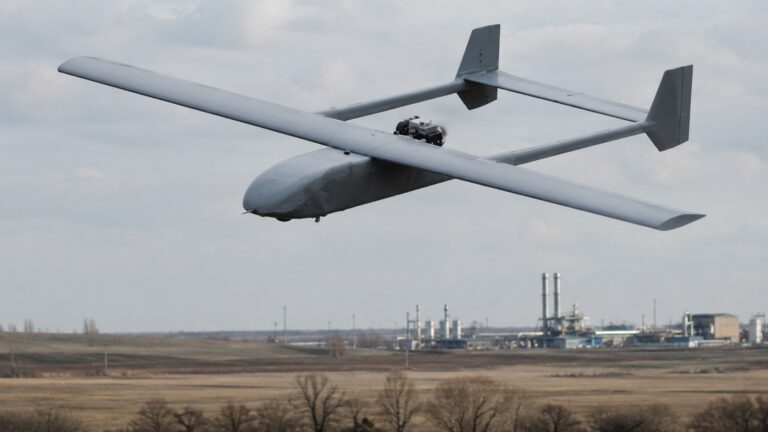
The company itself illustrates this transformation. Founded after Russia’s full-scale invasion, Fire Point has rapidly evolved into one of Ukraine’s leading defence manufacturers, producing long-range drones, cruise missiles and now increasingly sophisticated air-defence technologies. Its reported valuation has risen dramatically as investors recognise both its technical achievements and its strategic significance.
There is also a broader lesson for Europe.
For decades, many European governments relied heavily on the assumption that large-scale interstate conflict had become a relic of history. Defence industries consolidated, inventories shrank and investment priorities shifted elsewhere. The war in Ukraine has exposed the limitations of that approach.
The emergence of companies such as Fire Point demonstrates how rapidly industrial capacity can evolve when supported by urgency, political will and technological talent. More importantly, it highlights the benefits of integrating Ukraine into Europe’s long-term security ecosystem.
President Volodymyr Zelenskyy has repeatedly argued that Europe needs stronger collective capabilities to defend against ballistic missile threats. Projects such as Freyja provide a tangible pathway towards that goal. They also underline Ukraine’s growing contribution to continental security rather than its dependence upon it.
Significant challenges remain. Missile defence systems require sophisticated command networks, advanced sensors and extensive integration between multiple technologies. Success will depend on continued cooperation across European governments and defence industries.
Yet the direction of travel is unmistakable.
What is emerging in Ukraine is not simply a wartime production effort but the foundations of a highly innovative defence sector capable of influencing European security policy long after the guns eventually fall silent. If Fire Point succeeds in bringing its interceptor into production on schedule, it will mark another milestone in Ukraine’s extraordinary industrial adaptation.
For Europe, the significance extends beyond one missile programme. It offers a glimpse of a future in which Ukrainian ingenuity and European cooperation combine to strengthen the continent’s collective defence at a moment when resilience has become one of the most valuable strategic assets of all.
Ukraine’s Fire Point Tests FP-7 Missile as Kyiv Seeks Domestic Ballistic and Air Defence Capability