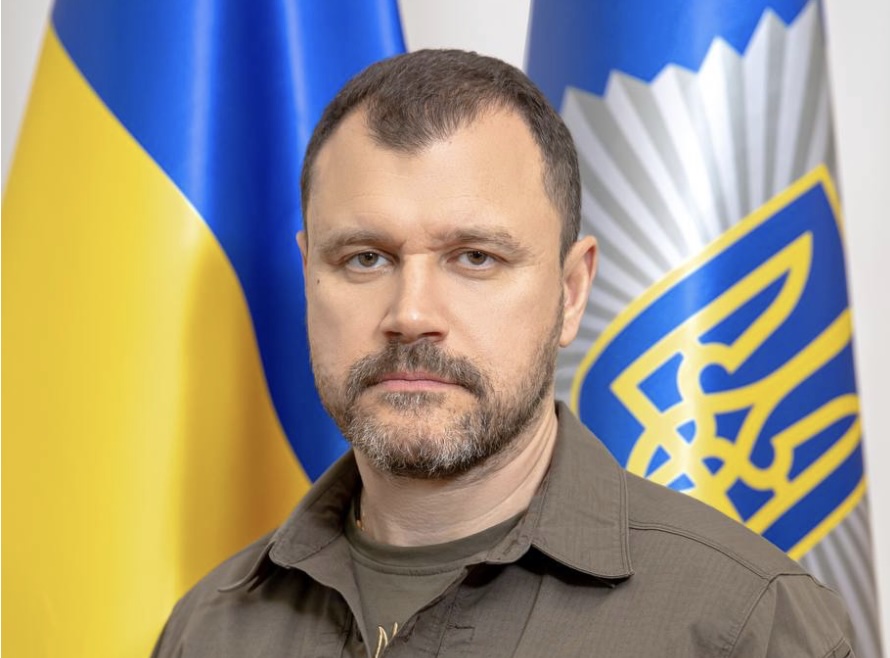
Ukrainian lawmakers said on 15 July that President Volodymyr Zelenskyy intended to nominate Interior Minister Ihor Klymenko as defence minister, advancing another wartime reshuffle at the institution responsible for procurement, mobilisation policy and military administration.
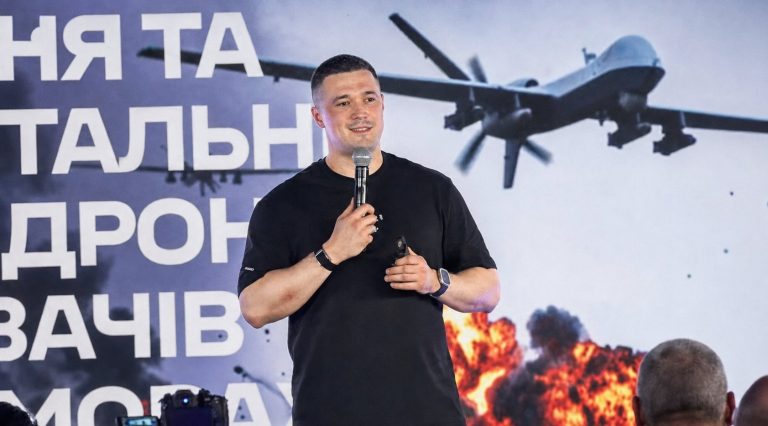
The expected nomination, reported in Kyiv political circles and reflected in wider coverage of the day’s government changes, follows earlier uncertainty over whether digital minister Mykhailo Fedorov would take a larger defence role. The new direction means the defence ministry may be led by a figure whose background is internal security, policing and emergency administration rather than defence industry.
That matters because the ministry’s wartime role is not limited to battlefield command. Operational command sits with the military leadership, while the ministry handles procurement systems, contracts, personnel policy, mobilisation administration, international assistance and relations with suppliers. It is where political accountability meets the practical machinery of war.
Klymenko’s experience may be relevant. As interior minister, he has overseen police, emergency services and internal-security structures operating under missile attack, occupation threats and wartime strain. Those institutions require logistics, discipline, data systems and coordination with local authorities. The question is whether that administrative experience can translate into defence reform.
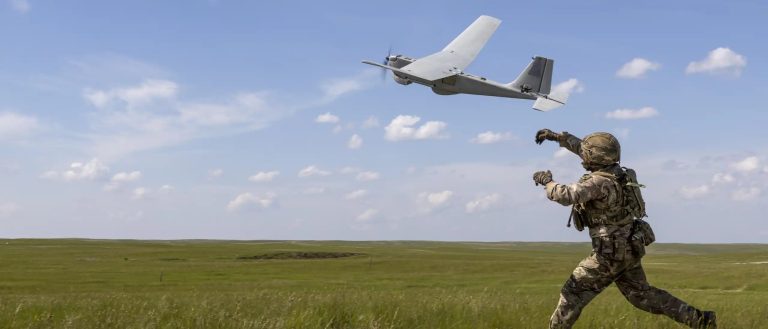
Defence Matters has recently examined how Ukraine is trying to turn European financing into long-term aircraft, air-defence and missile-production plans. Any defence minister will have to manage that pipeline while also answering urgent front-line needs for ammunition, drones, interceptors and fortifications.
The procurement challenge is central. Ukraine has improved some defence purchasing systems since earlier scandals, but corruption risk, speed, transparency and supplier coordination remain constant pressures. A new minister will be judged on whether procurement becomes faster and cleaner at the same time, which is one of the hardest administrative tasks in wartime.
Mobilisation is just as politically sensitive. Ukraine must sustain its forces while managing public fatigue, labour-market needs and debates over fairness. Moving a senior interior official into defence could signal an emphasis on discipline, registration, enforcement and coordination with civil authorities.
The nomination also affects Ukraine’s partners. Western governments need a defence ministry they can work with on contracts, end-use monitoring, training, reporting and production cooperation. Leadership changes can create uncertainty, but they can also reset relationships if the new minister is empowered to fix bottlenecks.
The risk is instability. Frequent changes in wartime institutions can slow decisions and create uncertainty for commanders and suppliers. The opportunity is that a new minister can impose administrative discipline where reform has lagged. Klymenko’s suitability will depend less on his title history than on whether he can control procurement, mobilise bureaucracy and work with the military command without blurring civilian and operational roles.
If confirmed, his appointment would be a governance signal. Ukraine is not only fighting Russia at the front; it is still rebuilding the institutions that sustain the fight.