Donald Trump has said Washington has not agreed to let Ukraine manufacture Patriot missiles, qualifying earlier claims that Kyiv had received political backing for licensed production of one of the world’s most important air-defence systems.
The shift matters because Patriot interceptors remain central to Ukraine’s defence against Russian ballistic missiles. The Guardian reported that Trump told reporters the United States had not agreed to such a licence and raised concerns about sharing sensitive technology.
The statement narrows what had appeared to be a significant opening for Kyiv. Earlier comments from Trump suggested Ukraine could be allowed to produce Patriot systems or missiles domestically. That idea was politically important because Ukraine’s demand for interceptors continues to exceed the pace at which allies can supply them.
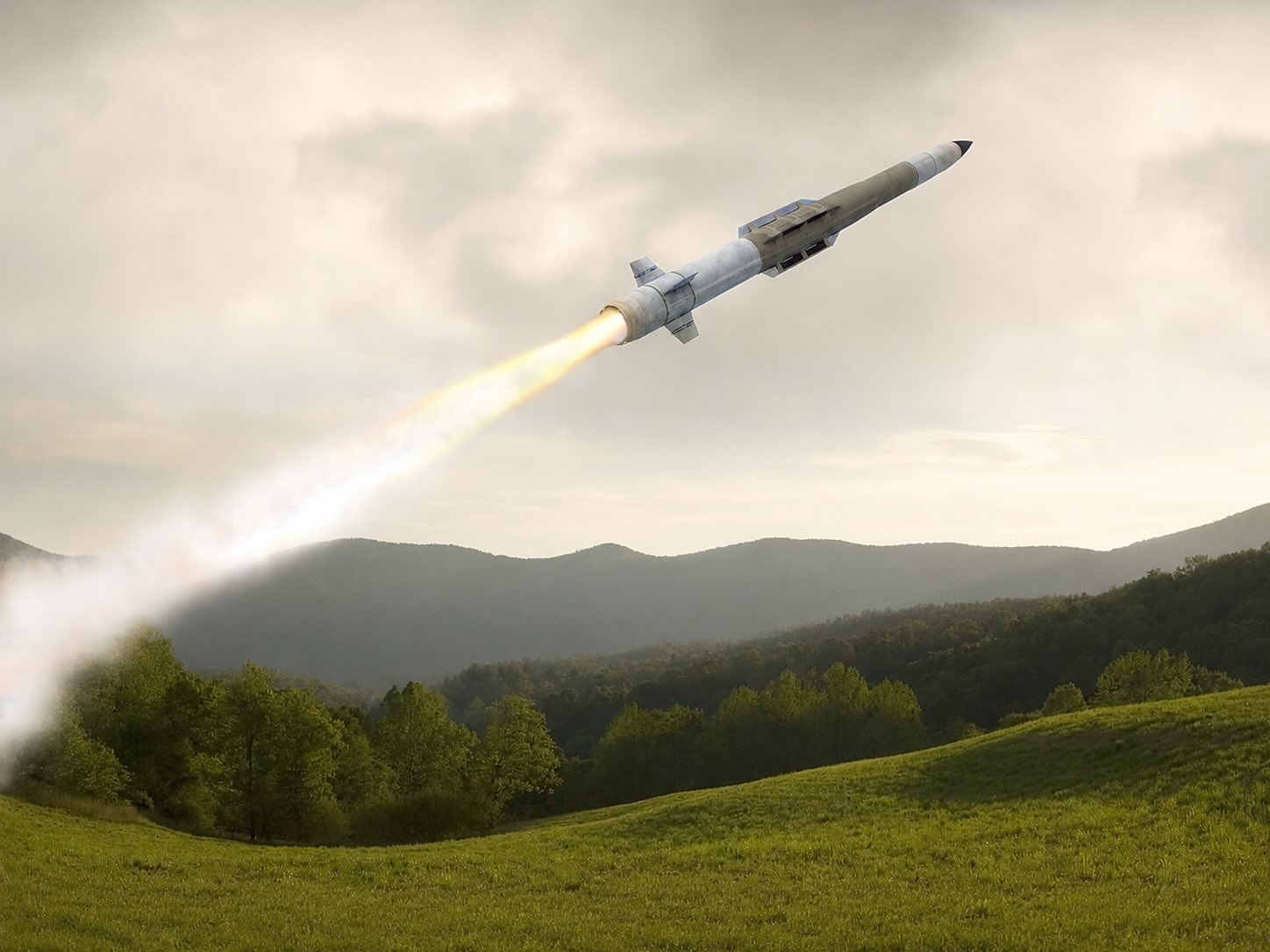
Even if the United States eventually approves licensed production, it would not quickly solve Ukraine’s present air-defence shortage. Patriot missiles require sensitive technology, specialised components, strict quality controls and integration with existing launchers and radar systems.
That makes the distinction between political permission and delivered capability essential. Kyiv needs interceptors now. A future production arrangement would be a strategic industrial project, not an immediate battlefield remedy.
Defence Matters has already examined why future Patriot production cannot close today’s interceptor gap. Trump’s latest comments reinforce that problem by adding uncertainty to the industrial pathway itself.
Washington’s caution is not surprising. Patriot technology is among the most sensitive elements of US missile-defence cooperation. Licensing production abroad would raise questions about intellectual property, supply-chain security, industrial oversight and the risk of Russian targeting.
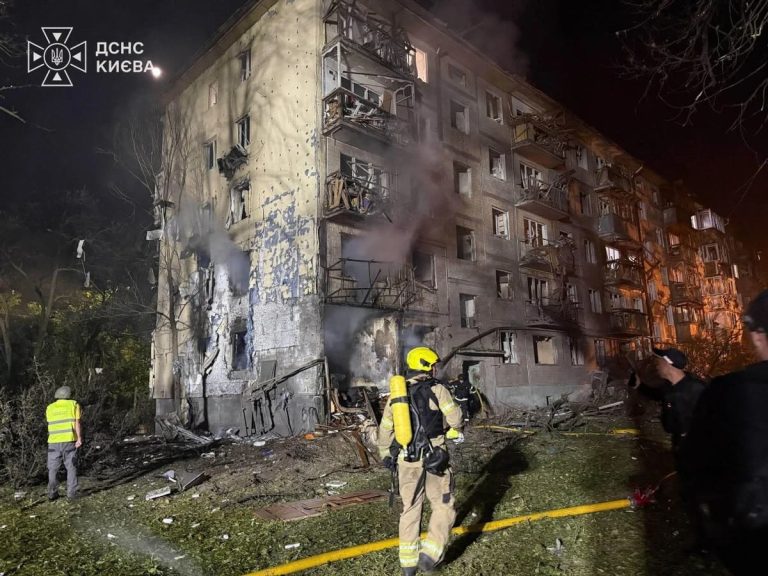
For Ukraine, however, the political caution carries operational cost. Russia continues to use ballistic missiles and drones against Ukrainian cities and infrastructure. Each attack forces Ukraine to spend scarce interceptors, while European and US stockpiles remain limited.
The result is a mismatch between timelines. US policymakers are debating technology transfer and production rights. Ukrainian air-defence crews are managing nightly threat packages.
The issue also affects European NATO allies. If Washington is unwilling or slow to approve Ukrainian production, Europe will face greater pressure to expand its own air-defence manufacturing, fund additional Patriot purchases or accelerate alternative interceptor programmes.
The problem is not just one system. It is Europe’s wider shortage of air-defence depth. Ukraine has exposed how quickly high-end interceptors can be consumed in a large war. NATO states now have to think not only about launchers, but about stockpiles, reloads and industrial surge capacity.
Trump’s statement does not end the possibility of Patriot production in Ukraine. But it does show that the decision is not settled. For Kyiv, that uncertainty is not an administrative detail. It is part of the air-defence gap Russia continues to exploit.
Lockheed Offers Lower-Cost Patriot Interceptor With European Production in View