Russia’s latest attack on Kyiv combined ballistic missiles, high-speed weapons and drones, exposing the gap between Ukraine’s success against unmanned aircraft and its limited ability to stop concentrated missile salvos.
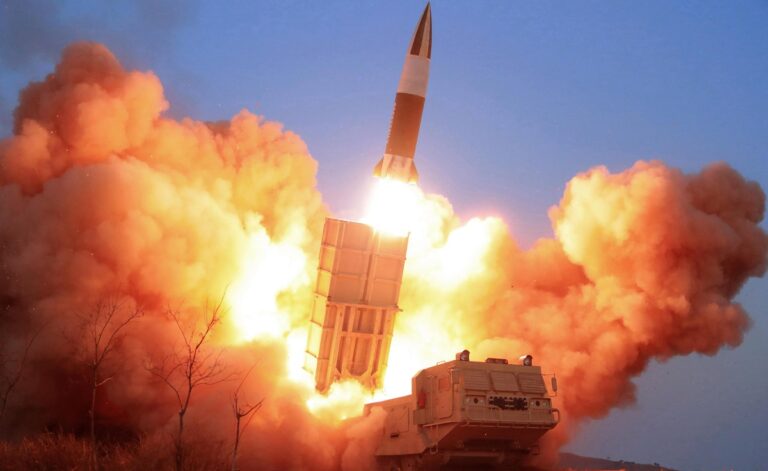
Russia launched 24 ballistic missiles, four Zircon or Oniks anti-ship missiles and 115 attack drones against Ukraine overnight into 5 August, concentrating the main effort on Kyiv and the surrounding region.
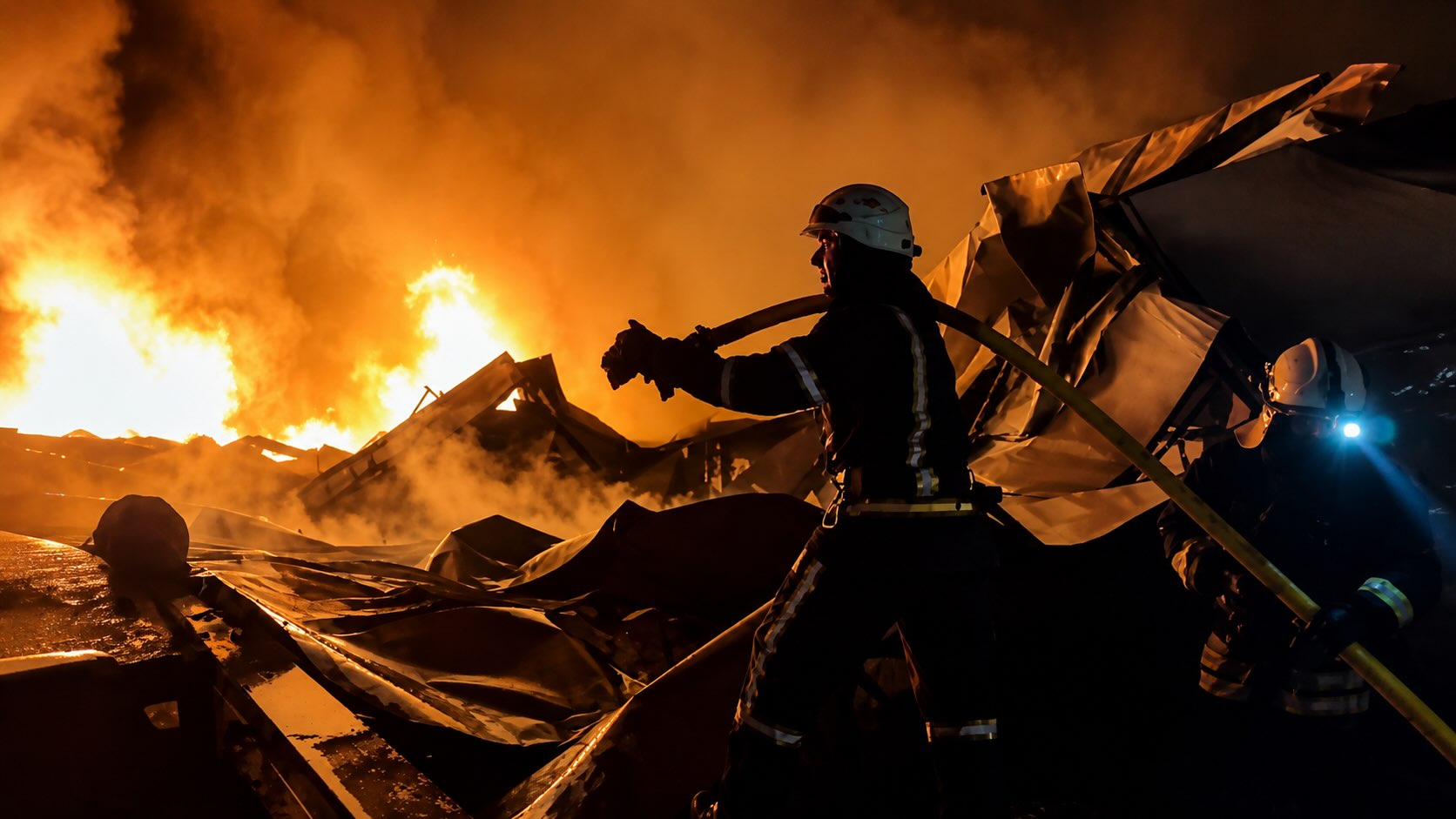
Ukraine’s official air-defence summary said 98 drones were destroyed or suppressed. It reported no successful missile interceptions and recorded impacts by missiles and 17 drones at 26 locations, with debris falling at another six sites. At least 17 people were killed and 44 wounded, according to the latest casualty figures.
The figures show two different air-defence battles taking place during the same operation. Ukraine retained the ability to detect, jam and destroy most of the incoming drones. It was considerably less successful against the faster missile component.
That difference matters because the headline interception rate can obscure the weapons responsible for the greatest damage. Neutralising 98 drones represents a substantial defensive result, but it did not prevent ballistic and high-speed missiles from reaching warehouses, infrastructure and other targets around the capital.
Ballistic missiles approach their targets at high speed and leave air-defence crews with limited engagement time. Patriot systems and their PAC-3 interceptors remain the central element of Ukraine’s defence against such attacks, but the number of batteries, launchers and available missiles is limited.
Russia does not need to exhaust Ukraine’s entire air-defence network. It can concentrate missiles against a geographical area, combine them with drones and force commanders to decide which targets and approaches receive the strongest protection.
The absence of successful missile interceptions during one attack does not establish whether the cause was interceptor scarcity, the position of available batteries, engagement geometry, system maintenance or a decision to protect other sites. Those operational details have not been disclosed. The result nevertheless demonstrates that substantial parts of the target area were not protected successfully against this salvo.
Defence Matters previously examined the limits of an interception-only strategy following an earlier attack on the capital. The latest operation provides a more severe example: 28 ballistic and anti-ship missiles were used alongside drones, and none of the missiles was reported destroyed.
Russia said it attacked logistics hubs and supply centres used by the Ukrainian military. Ukrainian authorities said the principal sites were civilian warehouses, a railway station, a brewery, building-material facilities and commercial distribution centres.
One of the companies affected was Epicentr, a major Ukrainian retail and construction group. The company said two logistics hubs and a ceramic-tile production facility were struck. One employee was killed, and manufacturing at the damaged plant was halted.
Warehouses and transport facilities occupy an ambiguous position in wartime targeting. Civilian distribution networks sustain employment, food supplies, construction and economic activity. Some facilities may also handle goods with military applications. Their legal and operational status must therefore be assessed individually rather than inferred from the general category of “logistics”.
Ukraine has separately attacked Russian warehouses associated with the Wildberries retail network. However, there is no independently verified evidence that Moscow selected the Kyiv-area targets as direct retaliation for those operations. The attacks form part of a broader contest over economic resilience and logistics, but a specific retaliatory sequence has not been demonstrated.
The attack points to a defence requirement broader than additional missiles. Interceptors remain essential, but the survivability of warehouses, railway nodes and commercial distribution networks also depends on dispersal, hardened storage, fire suppression, redundancy and the ability to shift operations between sites.
Counterforce operations against launchers, storage depots, command systems and missile-production facilities may reduce future attacks, but they require persistent intelligence, long-range weapons and permission to engage targets within Russia. Mobile launchers are difficult to locate, and production facilities cannot be disabled permanently through isolated strikes.
There is also an industrial constraint. Even a future agreement allowing Ukraine to manufacture Patriot-related equipment would not resolve the immediate shortage. Missile production requires specialised components, certification, trained personnel and established supply chains. As Defence Matters recently reported, uncertainty continues over whether Washington will permit licensed Patriot production in Ukraine.
The operational balance therefore depends on several layers: interceptors for immediate protection, cheaper systems against drones, resilient infrastructure, early warning and the ability to disrupt Russian launch and production networks. The Kyiv barrage showed what happens when one layer performs effectively against drones while the ballistic layer remains insufficient.