The negotiations illustrate the increasingly complex balance between supporting Ukraine’s long-term security and protecting some of America’s most advanced defence technologies. While no agreement appears imminent, officials on both sides continue to examine a range of industrial options that could strengthen Ukraine’s ability to defend itself against intensifying Russian missile attacks.
The urgency is difficult to overstate. Russia has dramatically increased its use of ballistic missiles in recent months, placing unprecedented pressure on Ukraine’s already stretched air-defence network. President Volodymyr Zelenskiy has repeatedly warned that shortages of Patriot interceptors have left cities increasingly vulnerable, with recent attacks exposing the limits of existing stockpiles.
Against that backdrop, Ukrainian officials have sought not only additional missile deliveries from Western allies but also a more ambitious objective: developing a domestic industrial capability capable of supporting future production.
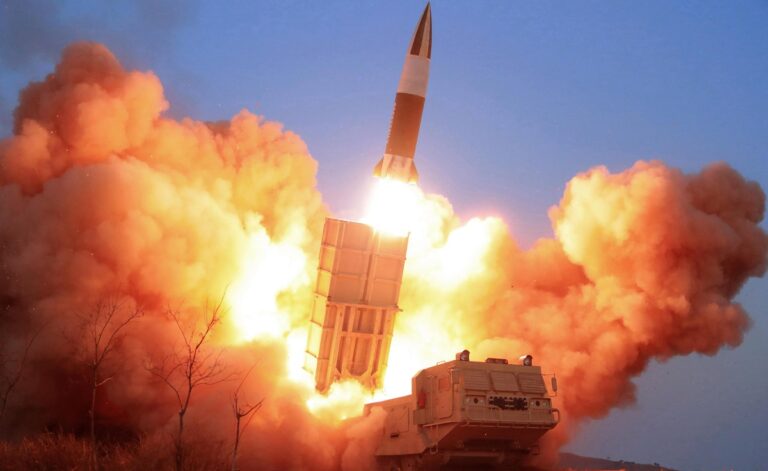
Several proposals are reportedly under discussion. One would see Ukrainian industry manufacture selected missile components before final assembly takes place in Germany, allowing production to remain under close allied supervision. Another would integrate Ukraine into an existing transatlantic manufacturing programme, while a third would involve production of a simplified, lower-cost version of the PAC-3 interceptor currently under development.
The talks have continued despite President Trump’s recent public scepticism. Having initially appeared receptive to the concept during discussions with Ukrainian leaders, the president later emphasised that Washington had not approved domestic Patriot production and stressed the need to be “very careful” when considering transfers involving highly sensitive military technology.
That apparent contradiction reflects wider debates inside Washington rather than a complete reversal of policy.
According to officials familiar with the discussions, America’s NATO Ambassador Matthew Whitaker has continued to lead negotiations with Ukrainian counterparts, suggesting that the administration still sees industrial cooperation as an important element of longer-term support for Kyiv.
For defence manufacturers, the proposal also reflects changing realities.
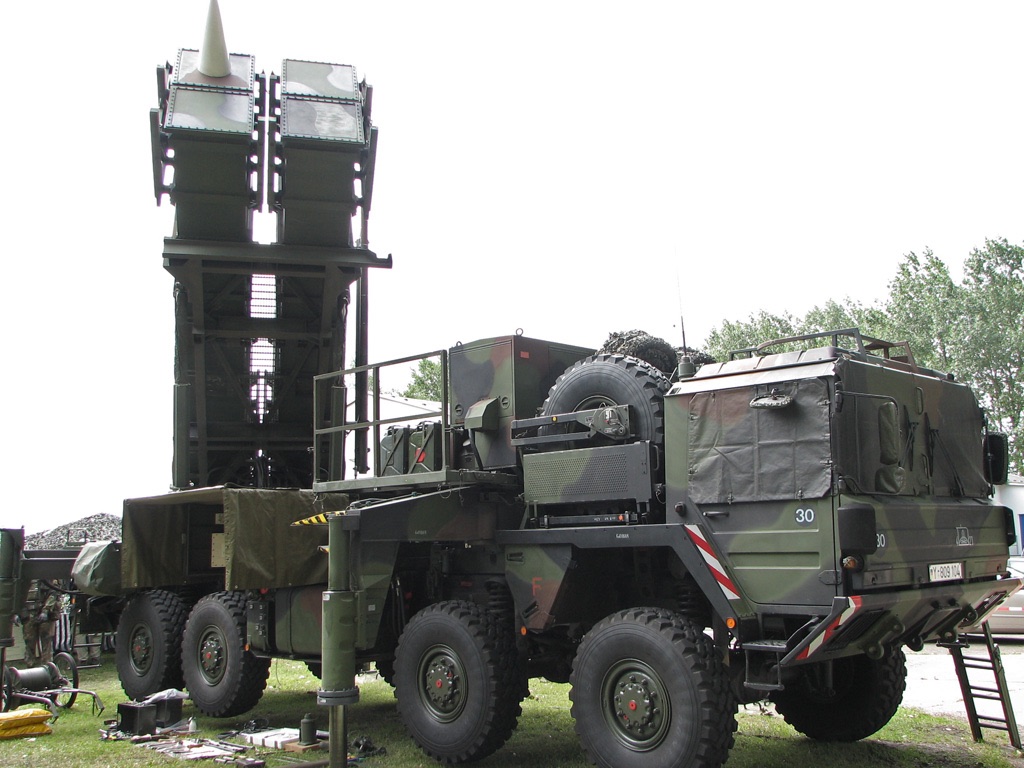
The Patriot system has become one of the most sought-after air-defence platforms in the world as conflicts in Europe and the Middle East have simultaneously driven demand. Expanding production capacity has become a strategic necessity, particularly as existing manufacturing lines struggle to keep pace with orders from multiple allied governments.
Lockheed Martin, which produces the PAC-3 interceptor, has indicated its willingness to support Ukrainian participation should governments ultimately approve such arrangements. Nevertheless, executives acknowledge that establishing production facilities would require years of investment, certification and workforce development before meaningful output could begin.
That reality means the initiative offers little immediate relief for Ukraine’s armed forces.
Kyiv’s more pressing requirement remains additional interceptor deliveries from existing inventories. Zelenskiy recently disclosed that Ukraine has received only around one-third as many air-defence missiles this year as during 2025, even as Russia accelerates its missile campaign and expands domestic production.
The industrial discussions therefore represent a strategic rather than tactical solution.
Should they ultimately succeed, Ukraine would move beyond its current dependence on periodic foreign deliveries towards a more sustainable defence-industrial partnership with Western allies. Such a development would also fit broader European efforts to strengthen continental defence manufacturing following years of underinvestment.
Yet significant obstacles remain.
Technology transfer involving advanced missile guidance systems, seekers and propulsion technologies has historically been tightly controlled by Washington. Any arrangement would require elaborate safeguards to prevent sensitive capabilities from being compromised, while satisfying export-control requirements that have traditionally limited overseas production of America’s most advanced weapon systems.
The outcome will therefore depend as much on political confidence as industrial capability.
For Ukraine, however, the logic remains compelling. The longer the conflict endures, the stronger the argument becomes that Europe cannot rely indefinitely on finite missile stockpiles assembled elsewhere. Building industrial resilience has become almost as strategically important as supplying weapons themselves.
Whether that ambition ultimately overcomes Washington’s understandable caution may shape not only Ukraine’s future air defences but also the evolution of Western defence cooperation long after the current war has ended.